
Sound Insulation of Prefabricated Panel Houses
Not all prefabricated panel houses have poor sound insulation, but there are generally sound insulation defects, and their actual performance is affected by construction techniques, material quality, and usage scenarios.
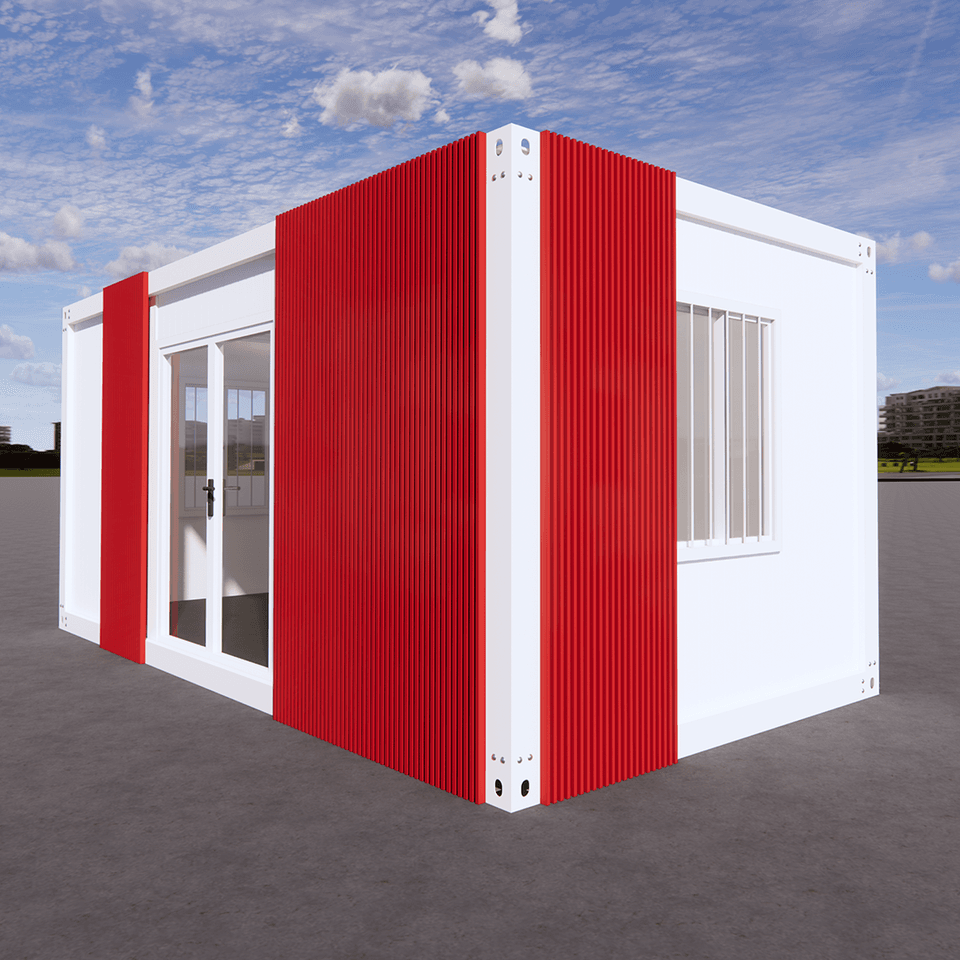
Common Reasons for Poor Sound Insulation in Prefabricated Panel Buildings
Poor sound insulation in prefabricated panel buildings due to their spliced structure is a common issue. The joints between prefabricated panels become channels for sound transmission, allowing sound to directly penetrate through these gaps. Some prefabricated panels are internally designed with a hollow structure, further reducing sound insulation performance. For example, in rural self-built houses, when hollow cement panels are used as intermediate floors, footsteps and even conversations from the second floor can be clearly heard on the first floor; in urban prefabricated panel residences, over 70% of residents report sound insulation problems, with conversations from neighboring units being clearly audible.
Impact of Materials and Construction Techniques on Sound Insulation
Materials and construction techniques have a significant impact on the sound insulation performance of prefabricated panel houses. Poor-quality prefabricated panels can exacerbate sound insulation issues. Some contractors, in an effort to reduce costs, use prefabricated panels with insufficient strength grades or without internal steel reinforcement. These panels have poor load-bearing capacity and are prone to cracking, resulting in even worse sound insulation. In contrast, prefabricated panels produced according to standards, if adopting a solid structure or enhanced joint treatment, may improve sound insulation performance. Solid prefabricated panels reduce internal cavities, thereby lowering sound resonance and enhancing sound insulation performance; enhanced joint treatment (such as filling with sealing materials) can block sound transmission paths and reduce sound transmission through joints. However, the actual sound insulation effects of such cases are not explicitly mentioned in the available information.
Differences in Usage Scenarios
The manifestation of sound insulation problems in prefabricated panel houses varies depending on the usage scenario. In rural prefabricated panel houses, due to technological limitations, sound insulation issues are more prominent, such as the simultaneous occurrence of water leakage during the rainy season and poor sound insulation, which may be related to limitations in material selection and construction techniques in rural buildings. Although urban prefabricated panel residences have sound insulation defects, some cases may alleviate the problem through post-construction modifications (such as adding sound insulation layers). For example, attaching sound insulation blankets to walls or floors and installing sound insulation panels can improve sound insulation performance, but the available information does not provide specific data to support the actual effects after modification.



