
Interior of Prefabricated Panel Houses
The interiors of prefabricated panel houses typically feature walls without beams and columns, poor sound and thermal insulation, wall cracks, floor deformation, and window water leakage.
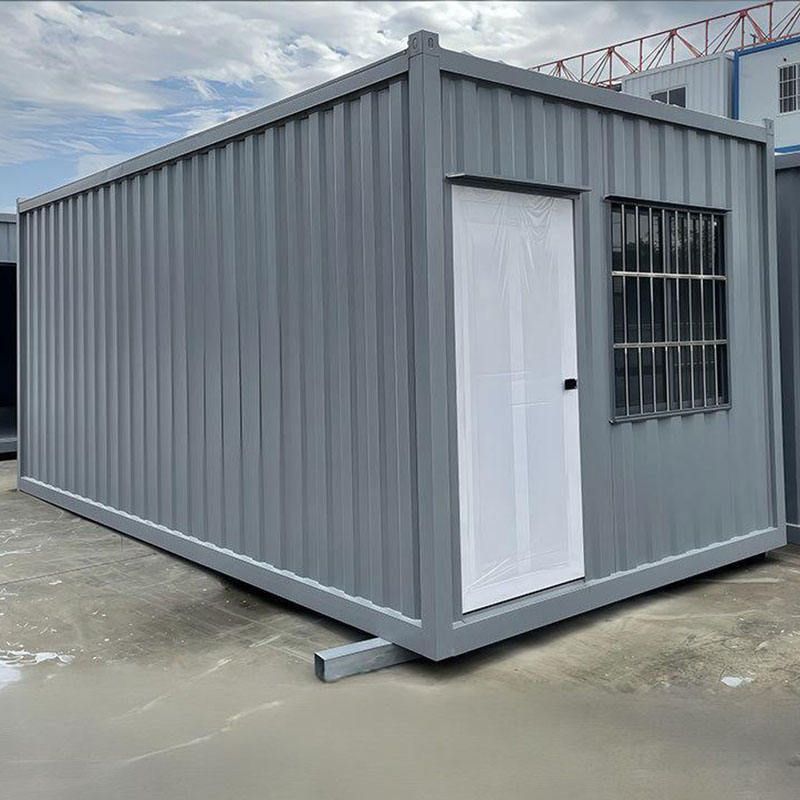
Wall Structure Characteristics: The walls of prefabricated panel houses usually lack obvious beam structures, and there are no columns supporting the intersections between walls. This is because prefabricated panel houses use prefabricated concrete panels as floor slabs, installed through splicing. The walls primarily serve as enclosures and partitions rather than load-bearing structures, eliminating the need for beams and columns to enhance overall stability. This structural feature allows for relatively flexible interior space layouts but may also result in insufficient strength at wall connections, leading to cracks over long-term use.
Poor Sound and Thermal Insulation: The sound and thermal insulation performance of prefabricated panel houses is generally poor. Due to the limited thickness of the prefabricated panels and the presence of gaps at the splices, sound and heat can easily conduct through these gaps, resulting in significant indoor noise, cold winters, and hot summers. These defects are particularly pronounced under extreme weather conditions, affecting living comfort.
Wall and Floor Issues: Interior walls may exhibit mottling, cracks, and other phenomena due to material aging or construction issues. The wall materials in prefabricated panel houses are mostly ordinary concrete or lightweight blocks, which are prone to shrinkage cracks under the influence of temperature changes and humidity over time. Additionally, floors may become uneven or warped due to foundation settlement or deformation of the prefabricated panels, affecting usability.
Window Water Leakage and Insulation Problems: The areas around windows are common points of water leakage in prefabricated panel houses. Due to poor sealing at the connections between the prefabricated panels and window frames, rainwater can easily seep into the interior along the gaps, causing mold on walls and damage to floors. At the same time, the insulation performance of windows is also poor, with single-pane glass or ordinary aluminum alloy frames unable to effectively block heat transfer, further exacerbating indoor temperature fluctuations.
Overall Living Experience: Considering the above characteristics, the interior environment of prefabricated panel houses typically suffers from cold winters and hot summers, noise interference, and high maintenance costs. Although some of these defects can be partially improved through later renovations (such as adding sound insulation materials or replacing double-glazed windows), the fundamental limitations of the structure cannot be resolved.



