
Quay lại blog
Bài viết
Advantages and Disadvantages of Prefabricated Panel Houses
Quản trị 18 tháng 9, 2026
The advantages of prefabricated panel houses include rapid construction, cost control, environmental protection and energy efficiency, as well as flexibility and mobility; the disadvantages are manifested as a shorter lifespan, poor sound insulation, heat insulation, and moisture resistance, and safety issues.
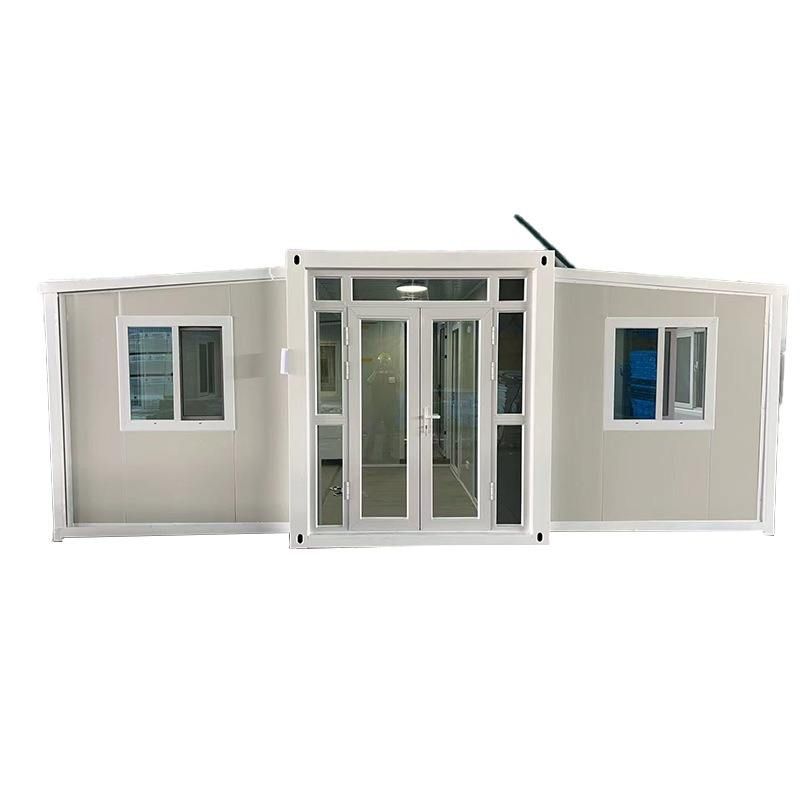
Advantages:
- Rapid Construction, Shortening the Project Duration: The core advantage of prefabricated panel houses lies in their industrial production model. Most components are prefabricated in the factory and only need to be assembled on-site, shortening the construction period by more than 50% compared to traditional buildings. For example, a 100-square-meter prefabricated residence can be completed in 1-2 months, while a traditional brick-and-concrete structure takes more than 6 months. This efficiency is particularly suitable for post-disaster reconstruction, temporary housing, or emergency housing scenarios.
- Cost Control: Factory production optimizes material usage through standardized design, reduces waste, and lowers the complexity of on-site construction. The construction cost of ordinary prefabricated houses is usually between 1000 and 3000 yuan per square meter, far lower than that of traditional high-end residences (more than 5000 yuan per square meter), making them suitable for users with limited budgets.
- Environmental Protection and Energy Efficiency: Factory production reduces on-site dust, noise, and waste pollution, and some prefabricated houses use recyclable materials such as light steel and wood, aligning with green building concepts. High-end models also integrate solar panels, insulation layers, and intelligent energy-saving systems to further reduce energy consumption.
- Flexibility and Mobility: Modular design allows users to customize the layout according to their needs and even disassemble and reassemble it at other locations in the future. Container houses and light steel structure houses are particularly suitable for scenarios requiring frequent relocation, such as temporary housing on construction sites or tourist resorts.
Disadvantages:
- Shorter Lifespan: Prefabricated panel houses are mostly assembled with cement, with relatively little use of steel bars, resulting in lower structural strength than modern buildings. Their lifespan is usually 30-50 years, requiring regular maintenance or early planning for reconstruction.
- Poor Sound Insulation, Heat Insulation, and Moisture Resistance: To control costs, some prefabricated houses invest insufficiently in sound insulation, heat insulation, and moisture-resistant materials, resulting in lower living comfort, especially in extreme weather conditions where additional insulation or waterproof layers may be required.
- Safety Issues: Some early prefabricated houses may have hidden dangers in their main structures due to design or construction defects, which are difficult to completely repair even through renovation. It is necessary to carefully evaluate whether their earthquake resistance, wind resistance, and other performance meet local regulations.



