
Quality of Prefabricated Panel Buildings
The quality of prefabricated panel buildings exhibits multiple issues, with an overall subpar performance and a significant gap compared to modern architecture.
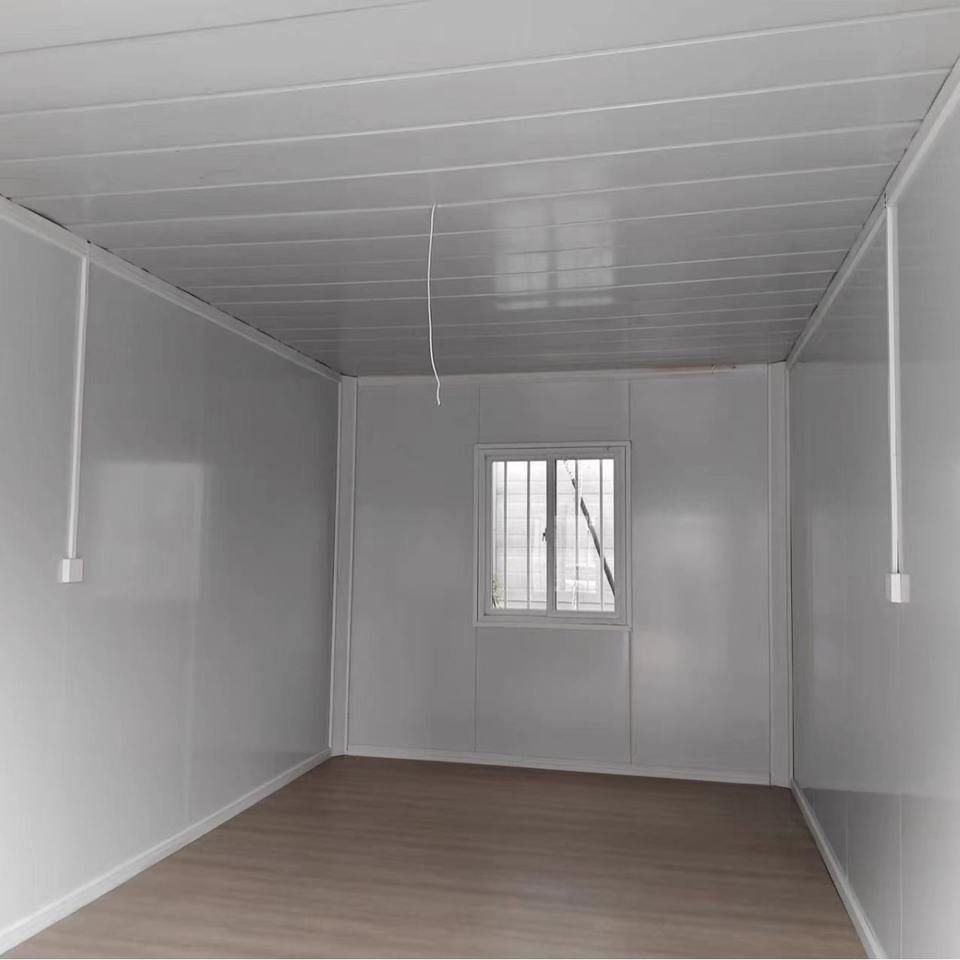
Insufficient Seismic Resistance: Prefabricated panel buildings primarily rely on cement components for construction. Although a certain amount of steel reinforcement is added, their overall seismic resistance is weak. When facing natural disasters such as earthquakes or floods, their safety precautions are notably inadequate, making it difficult to effectively safeguard the lives and property of residents.
Poor Sound Insulation and Thermal Insulation: Prefabricated panel buildings perform poorly in terms of thermal and sound insulation. Due to material and structural reasons, the interiors are unbearably hot in summer and bitterly cold in winter. Additionally, the sound insulation is unsatisfactory, allowing residents to clearly hear their neighbors, severely impacting the quality of life.
Difficult to Adjust Internal Structure: Unlike modern commercial housing, the internal structure of prefabricated panel buildings is almost impermissible for large-scale modifications. Every wall may be related to the overall structural stability, making it difficult for residents to customize and renovate their living spaces according to personal needs.
High Risk of Water Seepage: Over time, the cement components of prefabricated panel buildings are prone to cracking, and the gaps between components may widen. This increases the risk of water seepage between floors, causing unnecessary trouble and losses for residents.
Short Service Life: The designed service life of prefabricated panel buildings is approximately 30 to 50 years, with most constructed in the 1970s to 1980s. Many buildings are approaching or have exceeded their intended service life, showing signs of aging. Some buildings have large areas of peeling wall surfaces, numerous cracks in the walls, and in severe cases, have become dilapidated structures at risk of collapse at any time.
Lack of Humanized Design in Floor Plans: Prefabricated panel buildings adopt standardized and modular design concepts, resulting in monotonous and uniform exterior appearances and cramped interior spaces. Some units have kitchens without windows, making it difficult to effectively vent cooking fumes; bathrooms are also windowless, remaining damp and dark throughout the day, easily breeding bacteria; and living rooms are small, often requiring bedroom doors to be opened to let in some light.



