
Introduction to Prefabricated Modular Housing
Prefabricated modular housing is a form of construction that involves the industrial production of building components, which are then assembled on-site. It is also known as prefabricated assembly-type construction or modular construction. The core of this approach is to break down the building into independent modules, with the manufacturing of beams, slabs, walls, columns, and other components completed in the factory. This encompasses details such as ceilings, floors, water and electricity pipelines, wall surfaces, and bathroom waterproofing layers. It is even possible to prefabricate an entire house in the workshop and then transport it to the site for direct assembly.
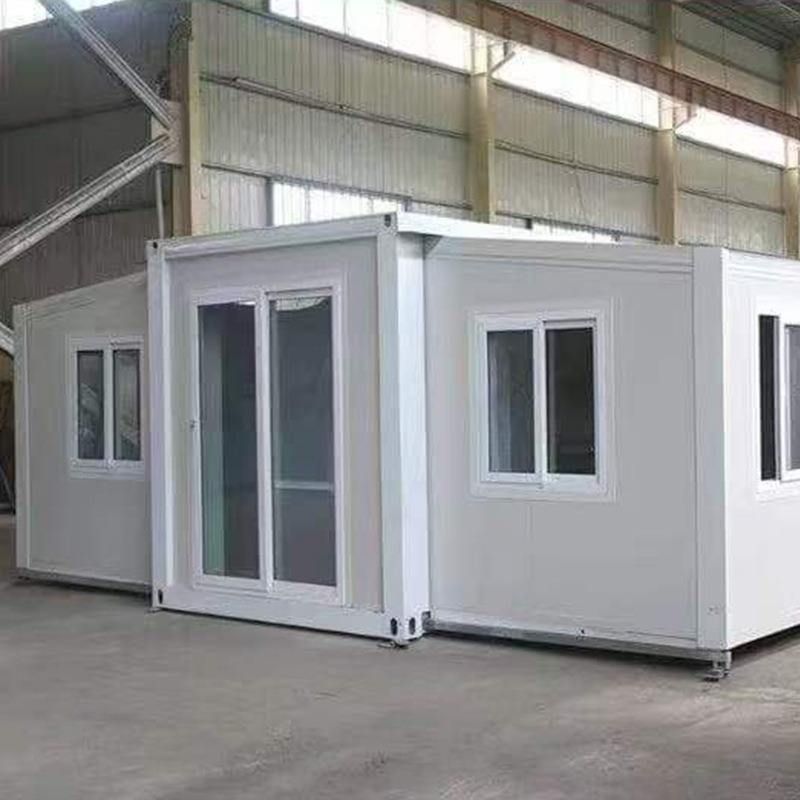
The main advantages are reflected in the following aspects:
- Shortened construction period: Traditional construction requires on-site mixing of concrete and waiting for it to set. In contrast, prefabricated modular housing eliminates waiting time through parallel operations in the factory, automated production lines, and vertical warehouses. For example, a public housing project in Shenzhen, Guangdong, used 6,028 concrete modules to compress the construction period of five nearly 100-meter residential buildings from 2.5-3 years to 1 year, reducing the construction cycle by over 60%.
- Reduced pollution: With less on-site work, there is a significant reduction in noise, dust, construction waste, and traffic congestion, aligning with the trend of green construction.
- Controllable quality: Each component is equipped with a detailed 'ID card' that records information such as the project name, model, and production date. The positioning accuracy of steel bars is measured in millimeters, with strict error control, achieving industrial production standards.
- Strong earthquake resistance: With fewer connection points between modules and the overall pouring and forming of roofs or walls, structural stability is enhanced, and earthquake resistance is superior to that of traditional buildings.
- Overall relocatability: Houses can be disassembled, transported to a new location, and reassembled, enabling resource recycling and adapting to the needs of temporary buildings or relocations.
Development status and challenges: China's prefabricated concrete technology originated in the 1950s and has been applied since its early stages. Currently, this model places high demands on the industrial base and requires the improvement of technical systems, production systems, and industrial cluster support. According to market forecasts, the global modular construction market size is expected to exceed $142.8 billion by 2030, indicating its broad prospects.
Prefabricated modular housing has reconstructed the traditional construction model through industrial and intelligent means, offering significant advantages in terms of efficiency, environmental protection, and quality. However, it relies on a mature industrial chain to achieve large-scale application.



