
Prefabricated Modular Housing Assembly
Prefabricated modular housing assembly is a construction model that breaks down a building into independent modules, prefabricates them in a factory, and then transports them to the site for assembly, characterized by high efficiency and speed.
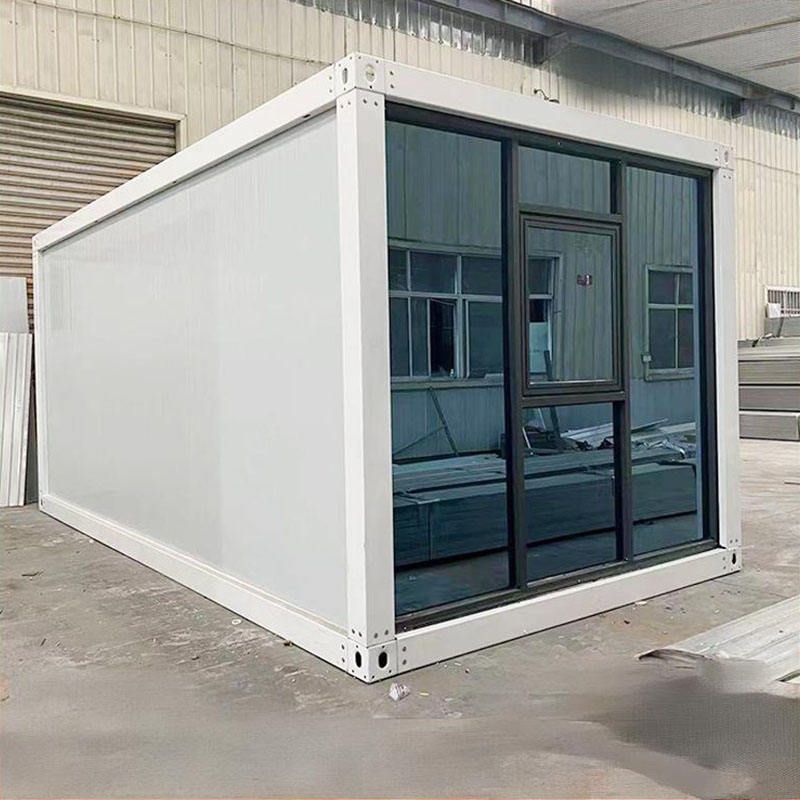
Factory Prefabrication Process
The core of prefabricated modular housing lies in factory-based production. Key components such as ceilings, floors, walls, and plumbing and electrical systems are all prefabricated on factory assembly lines. The factory employs standardized and mechanized production methods to precisely control the dimensions, quality, and performance of each module, ensuring that all components meet design requirements. For example, in North American prefabricated modular wooden houses, wooden structural components including beams, columns, and wall panels are precisely processed in advance. These components undergo strict quality inspections and pre-assembly tests in the factory to ensure seamless connection during on-site assembly.
On-Site Assembly Process
On-site assembly is a crucial step in the construction of prefabricated modular housing. After the prefabricated modules are transported to the construction site, installation technicians assemble them in an orderly manner according to the design drawings. The assembly process is similar to building with blocks or assembling Lego bricks, with modules connected through bolts, welding, or snap-fit mechanisms to form a complete housing structure. Since all components are prefabricated in the factory, only simple assembly and fixation are required on-site, eliminating the need for complex concrete pouring or masonry work, resulting in extremely fast assembly speeds. According to relevant case studies, the construction speed of prefabricated modular housing is more than 10 times faster than that of common concrete houses.
Advantages and Characteristics
The prefabricated modular housing assembly model offers significant advantages. Firstly, high efficiency and speed: Factory prefabrication and on-site assembly are carried out in parallel, greatly shortening the construction cycle, making it particularly suitable for emergency housing needs or rapid development projects. Secondly, quality control: Factory-based production eliminates the impact of human factors on construction quality, ensuring stable and reliable quality for each module. Thirdly, environmental protection and energy efficiency: Prefabricated modular housing reduces the generation of construction waste during production and minimizes construction noise and dust pollution during on-site assembly, aligning with the development trend of green buildings.



