
Prefabricated Modular Buildings
A more accurate term for 'on-site prefabricated housing' is 'prefabricated modular buildings' or 'modular construction'. The core concept involves prefabricating building components or modules in a factory and then transporting them to the site for assembly, rather than fully prefabricating them on-site.
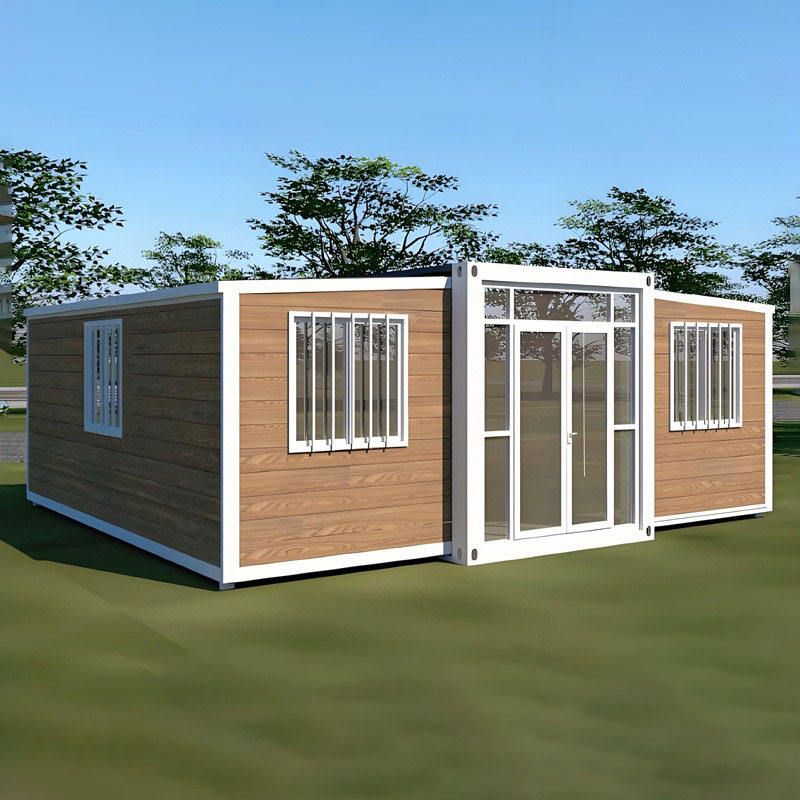
Industrial Production: Double Guarantee of Precision and Efficiency
The core advantage of prefabricated modular buildings lies in industrial production. Building components (such as beams, slabs, walls, and columns) or integrated modules (including ceilings, floors, and plumbing and electrical systems) are prefabricated on factory assembly lines. Standardized molds and automated equipment achieve millimeter-level precision, ensuring far greater quality control than traditional cast-in-place construction. For example, the CSCEC Hailong Intelligent Construction Industrial Park in Shenzhen, Guangdong, can deliver 20,000 to 30,000 modules annually, significantly reducing unit costs through mass production. The enclosed factory environment avoids weather-related construction delays, while centralized raw material procurement and optimized processes further cut costs.
On-Site Assembly: Shorter Construction Periods and Reduced Pollution
After being transported to the construction site, prefabricated components or modules are quickly assembled using lifting equipment, shortening construction periods by over 60%. For instance, a residential project in Shanghai used 6,028 concrete modules, reducing the timeline from the traditional 2.5 to 3 years to just 1 year. Additionally, on-site work volume is significantly reduced, lowering noise, dust, and construction waste—with some projects cutting waste by over 70%—aligning with green building trends. Meanwhile, on-site labor requirements are reduced by about 50%, alleviating labor shortages.
Environmental Protection and Policy Drivers: Dual Forces for Industry Development
Prefabricated modular buildings meet environmental policy requirements, with some provinces and cities mandating assembly rates of no less than 30% to 50% for newly allocated land plots, driving the industry toward low-carbon transformation. For example, Fujian Province has established industrial bases through policies to promote technological iteration and cost optimization. Additionally, the export market is growing rapidly, with Guangzhou Customs reporting RMB 1.4 billion in activity house exports in the first four months of 2026, a 38.1% year-on-year increase; exports grew nearly threefold from 2015 to 2025, reflecting strong international demand for standardized, efficient construction solutions.
Application Scenarios and Considerations
This technology is widely used in residential buildings, apartments, dormitories, office buildings, hospitals, and other settings, particularly suited for core urban areas or land-constrained regions. For example, the UK procured Chinese modular elderly care apartments, with 63 modules assembled on-site in just two weeks, highlighting rapid deployment capabilities. However, module joint treatment is critical, requiring strict control over thermal insulation, sound insulation, and waterproofing performance. If factory management is lax or transportation distances exceed 300 kilometers, costs may surpass traditional methods.



