
Prefabricated Mobile Housing
Prefabricated mobile housing is a construction model that breaks down buildings into independent modules, prefabricates them in factories, and then transports them to the site for assembly. It offers advantages such as low cost, short construction time, and controllable quality, making it suitable for various scenarios.
Cost and Construction Efficiency
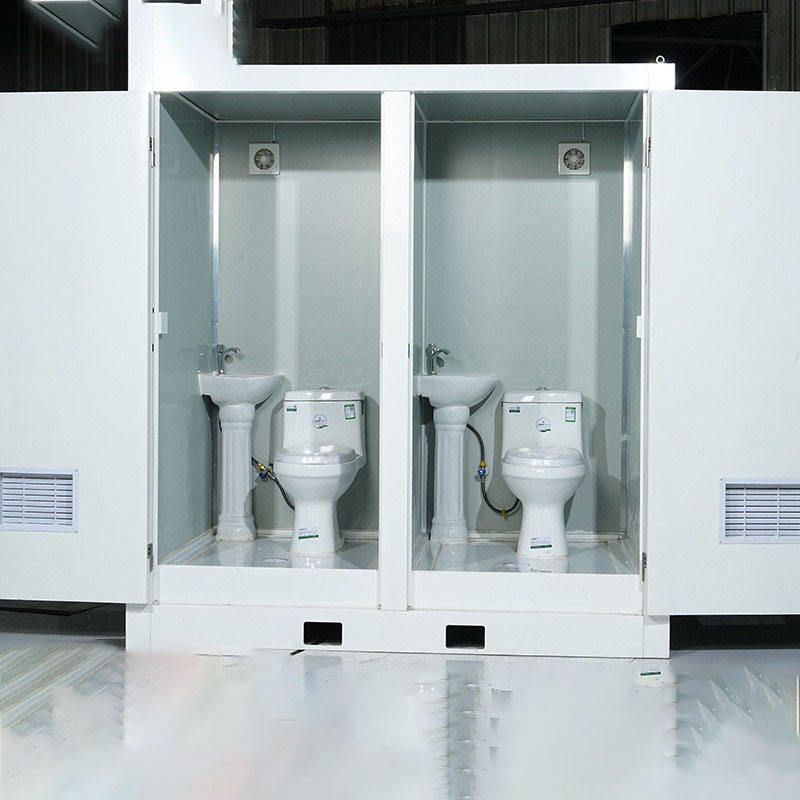
One of the core advantages of prefabricated mobile housing is its low cost and rapid construction. For example, the price of a prefabricated container house can be less than $10,000, even lower than the monthly rent in some areas. Its construction method is similar to building with blocks. Ceilings, floors, plumbing, and electrical systems are all prefabricated on factory assembly lines, and only assembly is required on-site, significantly shortening the construction period.
Construction Time and Quality Control
Compared to traditional buildings, the construction time for prefabricated mobile housing can be reduced by more than 60%. Taking a public housing project in Shenzhen, Guangdong, as an example, the completion and delivery time was compressed from 2.5-3 years to 1 year. Additionally, factory production ensures controllable quality: the position of each steel bar is precisely located, with errors controlled in millimeters, avoiding human errors in on-site construction.
Environmental Protection and Maintenance Convenience
Prefabricated mobile housing excels in energy conservation and environmental protection. Factory prefabrication reduces on-site noise, dust, construction waste, and traffic congestion. At the same time, each module is equipped with a detailed 'ID card' that records information such as the project name, product model, and production date, facilitating later maintenance and traceability.
Application Scenarios and Material Styles
It has a wide range of application scenarios, including temporary or semi-permanent needs such as worker dormitories, construction sites, scenic spots, and outdoor areas. In terms of materials, it covers sandwich panels, steel structures, color-coated steel, rock wool panels, galvanized steel, concrete, etc., balancing strength and portability. The styles are diverse, including light steel mobile houses, assembled, modular, foldable, and integrated types, meeting different functional and aesthetic needs.
Representative Enterprises
Domestic enterprises have already focused on the prefabricated housing sector, such as Foshan Hege Steel Structure Integrated Housing Co., Ltd., established in 2005. Its business covers the development of steel structure materials, the production and installation of light steel mobile houses, and panel production, with products including light steel villas and container mobile houses. Such enterprises have promoted the technical standardization and large-scale application of prefabricated mobile housing.



