
Export Process of Prefabricated Integrated Housing
The export process of prefabricated integrated housing mainly includes three core stages: pre-customs clearance preparation, customs clearance procedures, and post-clearance handling, while also paying attention to key matters such as demand confirmation, transportation design, production quality control, and container loading optimization.
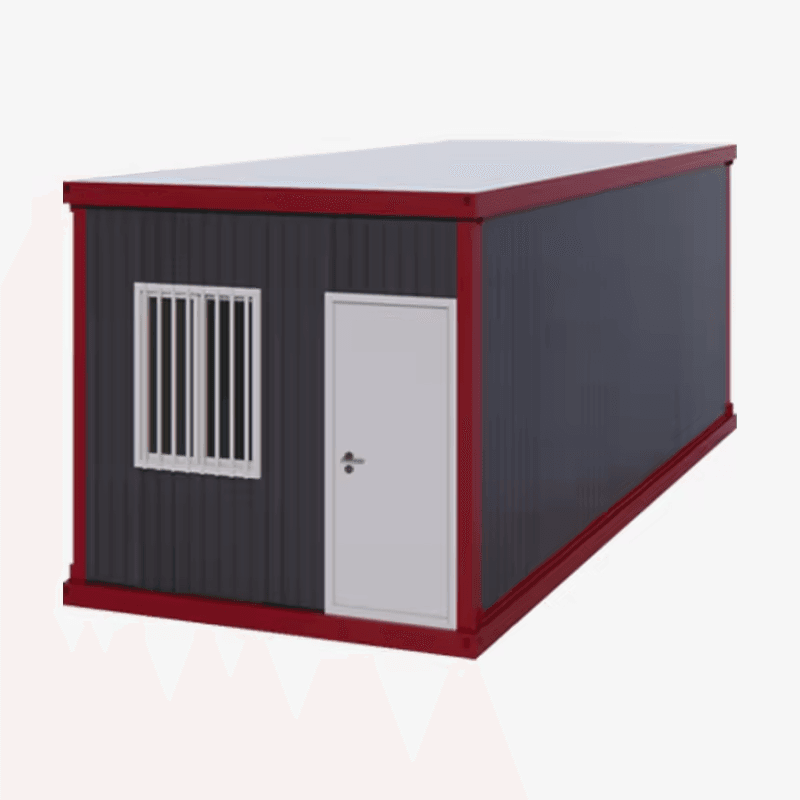
I. Pre-customs Clearance Preparation Necessary documents include commercial invoices, packing lists, export contracts, export declaration forms for goods, shipping documents (such as ocean bills of lading or air waybills), export foreign exchange verification documents (if applicable), and special documents required by the destination country (such as certificates of origin and quality inspection certificates). It is also essential to clarify the import policies of the destination country, choose a customs declaration method (such as general trade customs declaration), and entrust a customs broker or handle customs declaration independently. Goods must be prepared, packaged, and marked with shipping marks according to contract requirements, and transportation arrangements should be made. For overseas projects, it is necessary to confirm in advance the project location, purpose, number of floors, structural requirements, decoration standards, climatic conditions, distance to the port, and installation guidance requirements to complete the plan and material configuration.
II. Customs Clearance Procedures
- Electronic Declaration: Enter the customs declaration form into the electronic port system and send the electronic data to the customs.
- Document Review: The customs reviews the completeness and compliance of the customs declaration documents, including whether the documents are complete and whether the information is consistent.
- Cargo Inspection: Decide whether to inspect the cargo based on risk analysis, and the customs declaration enterprise or shipper must cooperate with the opening of the container for inspection.
- Tax Payment: Pay customs duties, value-added taxes, and other taxes, with the tax rates determined based on the type of goods and the policies of the destination country.
- Release for Exit: After the customs review is correct and the taxes are paid, a release notice is issued, allowing the goods to exit the country.
III. Post-clearance Handling Track the cargo in transit to ensure it arrives smoothly at the destination port and completes customs clearance. If an export tax refund is required, submit documents such as commercial invoices, customs declaration forms, and export contracts to the tax authorities within the specified time.
IV. Key Considerations
- Transportation Design: Consider container size, number of containers loaded, unit weight, and transportation conditions at the destination port during the design phase to balance installation convenience and container loading efficiency.
- Production Quality Control: The factory must verify component dimensions, material specifications, quantities, and packing lists. Bulk projects must be numbered and classified for quick location of materials at overseas sites.
- Container Loading Optimization: Select protective requirements based on product characteristics (such as light steel keels, panels, doors, and windows) to improve container space utilization and reduce transportation costs.
Export enterprises must strictly follow process specifications, ensure complete documentation and compliant goods, and plan transportation and installation in advance to improve export efficiency and control risks.



