
Prefabricated Integrated Housing
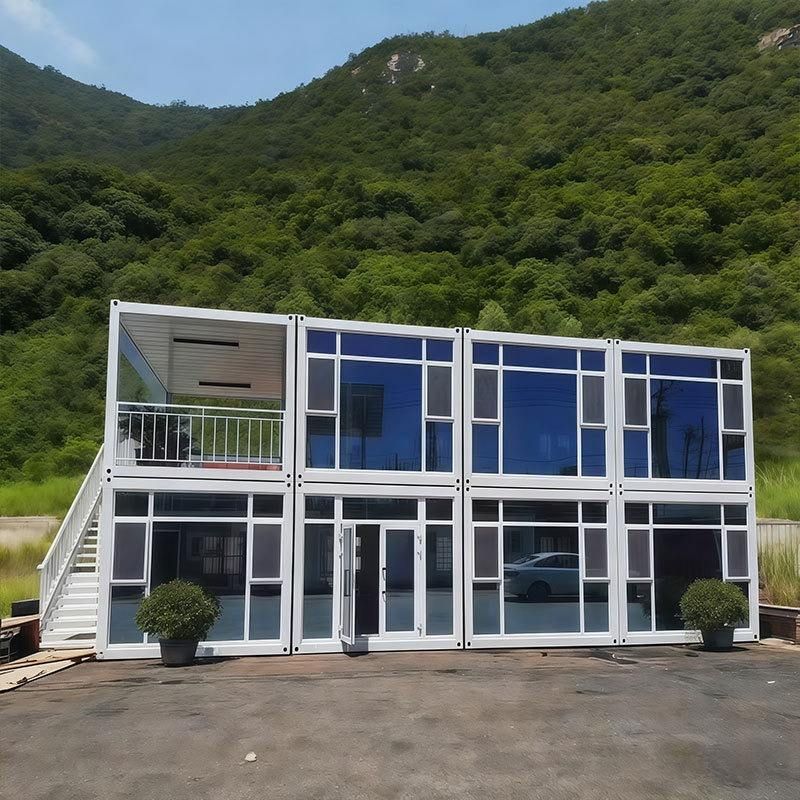
Prefabricated integrated housing refers to a construction method where building components are industrially produced and assembled on-site. Modular construction is a more integrated form of this approach, where buildings are broken down into independent modules manufactured in factories and then transported to the site for assembly.
Core Features and Advantages
Industrial Production and Efficient Assembly The core of prefabricated integrated housing lies in the standardized production of building components (such as ceilings, walls, and bathroom waterproofing layers) in factories, with final assembly completed through a process similar to automobile manufacturing. For example, a public housing project in Shenzhen, Guangdong, used 6,028 concrete modules to assemble five residential buildings nearly 100 meters tall, reducing the construction period from the traditional 2.5-3 years to just 1 year and cutting on-site labor by about 50%. This approach significantly reduces noise, dust, construction waste, and traffic congestion at the construction site, aligning with green building principles.
Quality Control and Energy Efficiency Factory production ensures precise control over component quality through advanced equipment and strict processes, minimizing human error and ensuring stable building performance. Additionally, modular design facilitates easy maintenance and upgrades, such as replacing damaged wall modules or upgrading bathroom facilities. Furthermore, industrial production reduces on-site wet work, lowering water consumption and material waste, meeting energy efficiency and environmental protection requirements.
High Demand for Technical Systems and Industrial Support Prefabricated integrated housing relies on a comprehensive technical system (e.g., module design, connection node technology), production system (e.g., automated production lines), and industrial clusters (e.g., supply chain collaboration). For instance, modular construction must address issues like shock resistance and deformation prevention during transportation, as well as precision control during on-site assembly. Chinese companies hold a comparative advantage in steel and concrete module sectors: steel modules are lightweight and suitable for overseas transportation and high-rise buildings, while concrete modules offer a more traditional living experience with high domestic market acceptance.
Application Scenarios and Limitations
Prefabricated integrated housing is well-suited for projects with high standardization needs, such as public housing, hotels, and schools, particularly in areas with limited land resources and strict construction deadlines. However, this model places extremely high demands on industrial infrastructure, requiring collaboration among governments, enterprises, and research institutions to promote technical standardization and industrial chain integration. Additionally, the initial investment cost is relatively high, necessitating large-scale application to spread costs. Currently, its market penetration in China remains lower than that of traditional construction methods.



