
Prefabricated Housing in the US
The main reasons for the popularity of prefabricated housing in the US include price advantages, growing market demand, a well-developed domestic industry, and a foundation of historical practice.
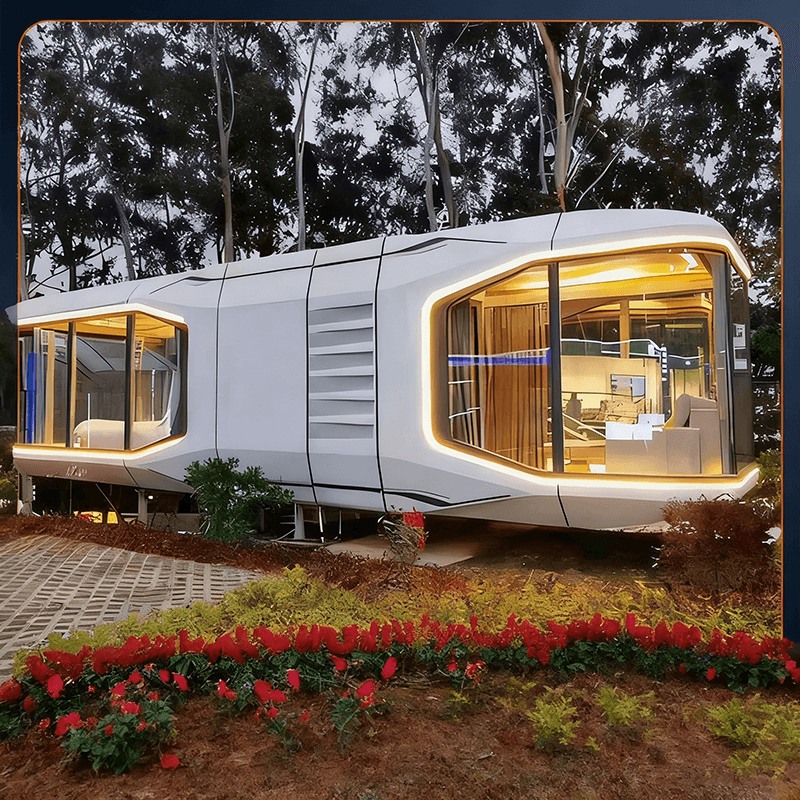
Significant Price Advantages
The US construction industry has long faced issues of labor shortages and high costs. Construction workers can earn daily wages ranging from $200 to $500 and often refuse to work overtime, resulting in significantly higher costs for traditional housing construction compared to prefabricated homes. For example, a 70-square-meter, fully furnished Chinese prefabricated house has a total landed cost of less than 200,000 RMB (approximately $28,689), while building a house of the same size in the US would cost at least $100,000. Chinese prefabricated homes, with their lower prices and shorter construction timelines (one month for production, one month for transportation, and one day for assembly), further help fill the housing gap in the US, which stands at around 4.03 million units.
Rapidly Growing Market Demand
In the first quarter of 2026, China's prefabricated building exports to the US grew by 45%, with Guangdong Customs reporting a staggering 38.1% year-on-year increase in export value in the first four months. Data from Alibaba.com shows that in the first six months of 2026, transaction volume in the mobile housing category increased by over 50% year-on-year, with US buyers accounting for more than 20% of the total. On YouTube, an "unboxing video" of a prefabricated home shared by an American couple has garnered over 3 million views, sparking a buying frenzy. These figures indicate that demand for prefabricated homes in the US market is growing rapidly.
Well-Developed Domestic Industry
The US prefabricated housing industry is also relatively mature. Clayton Homes, the largest prefabricated home manufacturer in the US, sold 30,871 homes in 2014, accounting for 45% of the US prefabricated housing market. Its product range includes modular homes, CrossMod™ homes, and more, primarily targeting middle- to low-income families and the essential housing market. In 2026, Berkshire Hathaway became the fourth-largest residential developer in the US by acquiring Taylor Morrison, with a product line covering everything from prefabricated homes to high-end detached houses.
Foundation of Historical Practice
The concept of prefabricated housing in the US has a long history of practice. Between 1908 and 1940, Sears sold 75,000 prefabricated homes through mail-order catalogs, with some of these century-old homes still in use today. These historical practices have laid the groundwork for the widespread adoption of prefabricated homes in the US and have increased consumer trust and acceptance of such housing.



