
Requirements for Building Materials of Prefabricated Houses
The requirements for building materials of prefabricated houses are as follows:
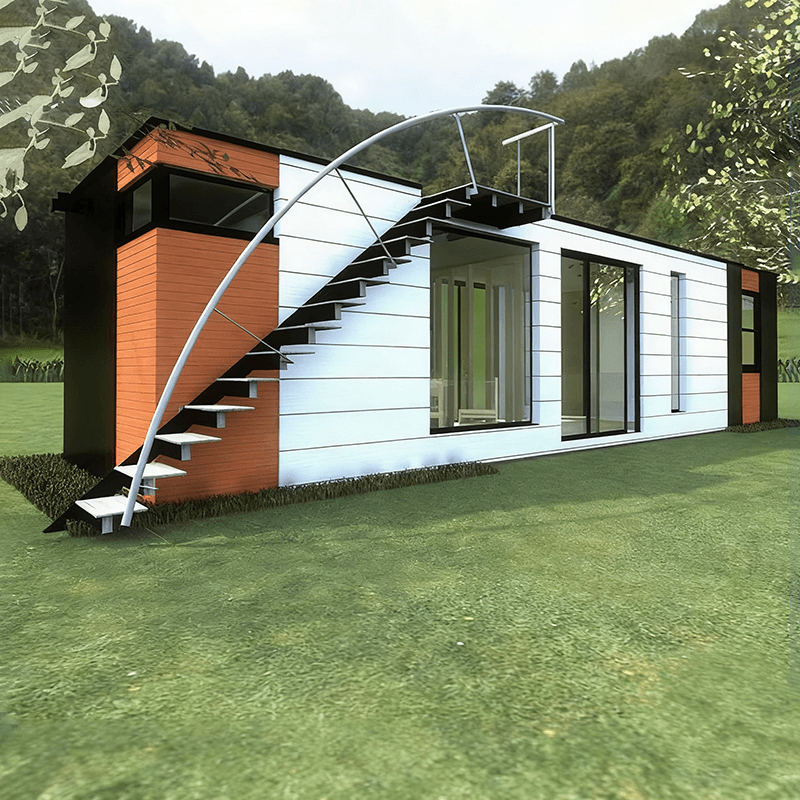
1. Green Economy and Localization Principles The selection of building materials for prefabricated rural houses should adhere to the principle of "adapting to local conditions and using local materials," prioritizing the use of green and economical building materials or recyclable materials. These materials must meet environmental protection requirements, such as recycled concrete, bamboo, and straw panels, which not only reduce transportation costs but also minimize resource consumption. Meanwhile, under the premise of ensuring structural safety and durability, priority should be given to using locally produced building materials, such as local stones and clay bricks, to shorten the supply chain and support the regional economy. The use of high-energy-consuming and excessively polluting materials, such as panels with excessive formaldehyde content and coatings that do not meet environmental standards, should be strictly prohibited to avoid long-term harm to the environment and the health of occupants.
2. Structural Materials Meeting National Standards The building materials for prefabricated panel houses must comply with national standards, especially for key materials related to structural safety. For example, prefabricated concrete components must meet strength grade requirements, steel must have tensile and compressive performance certificates, and connectors must pass durability tests. Non-structural materials, such as insulation and decorative layers, must also comply with relevant norms to ensure the overall stability of building quality.
3. Fire Protection Requirements for Crowded Places In the construction of prefabricated houses in crowded places (such as schools, hospitals, and public activity centers), the use of flammable foam sandwich panels is strictly prohibited. These materials can spread rapidly in fires, producing toxic smoke and posing a serious threat to life safety. Alternative solutions should use non-combustible or fire-resistant materials, such as rock wool sandwich panels, glass wool panels, and inorganic fireproof panels. These materials not only have excellent fire resistance but also effectively insulate heat, enhancing the overall safety of the building. Additionally, electrical wiring should be laid using flame-retardant conduits, and fire protection facilities should be configured in compliance with norms to form multiple fire protection safeguards.
4. Material Performance and Durability The building materials for prefabricated houses must have the ability to adapt to the environment. For example, in humid areas, moisture-proof and anti-corrosion materials (such as galvanized steel and anti-corrosion wood) should be selected, while in cold areas, the freeze-thaw resistance of materials (such as low water absorption concrete) must be ensured. Meanwhile, materials must meet long-term use requirements to avoid structural safety hazards caused by aging and deformation. For example, exterior wall decorative materials should have weather resistance, and roofing materials should be waterproof and UV-resistant.



