
Unevenness of Prefabricated House Walls
The handling of uneven walls in prefabricated houses requires selecting appropriate methods based on the specific situation. If it is within the normal allowable error range, there is no need to contact the developer; if it exceeds this range, it is a quality issue and the developer should be contacted for handling.
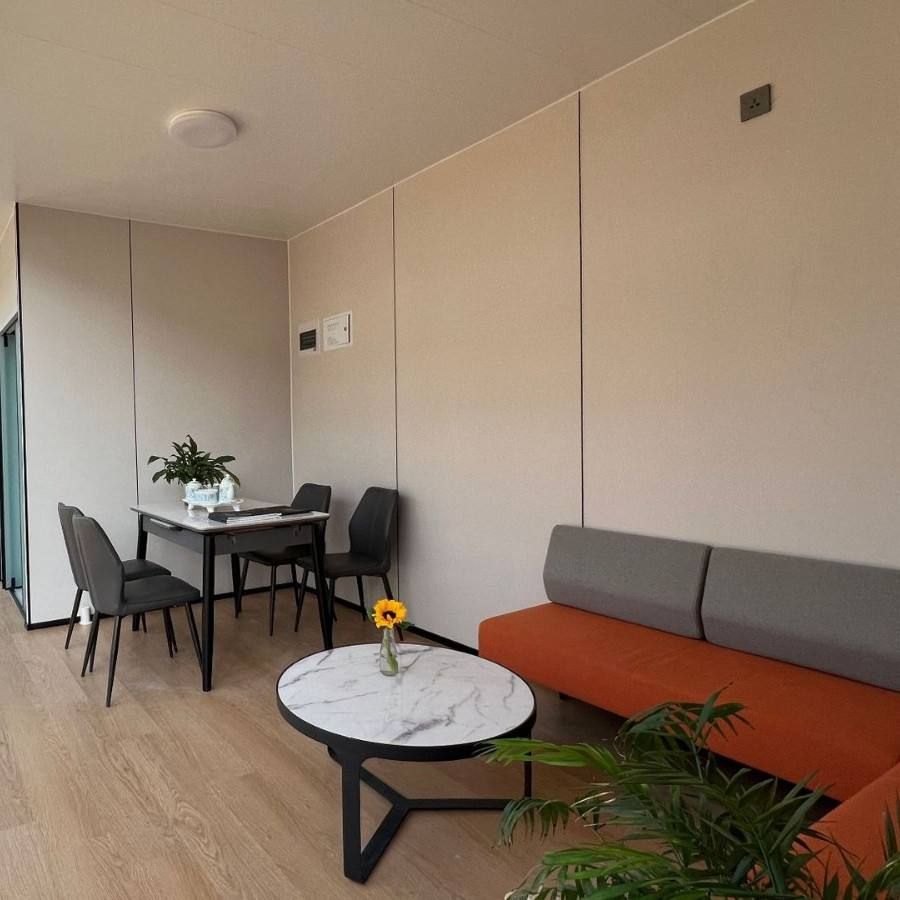
Determine the Cause of Wall Unevenness
Uneven walls can be caused by various factors, such as poor quality of wall materials, defects in construction techniques, or foundation settlement. Only by accurately identifying the cause can targeted measures be taken for effective handling. For example, if it is due to foundation settlement, subsequent handling needs to consider enhancing the stability of the wall; if it is a construction technique issue, the focus should be on correcting the construction operations.
Select Appropriate Handling Methods
- Sanding Treatment: Suitable for minor wall unevenness. Use sandpaper or an electric sander, controlling the force to avoid excessive sanding that could damage the wall, and achieve a smooth surface.
- Filling Treatment: For larger wall unevenness. First, clean the wall, then fill it with gypsum powder or putty powder. After it dries, sand and paint it.
- Mesh Installation Treatment: For wall unevenness caused by poor wall materials or foundation settlement, install steel wire mesh on the wall, plaster it with cement mortar, and sand and paint it after it dries.
Pay Attention to Construction Details
- Keep the wall dry. Before handling, ensure that the wall is free of moisture; otherwise, it will affect the handling effect.
- Use high-quality gypsum powder, putty powder, and cement mortar to ensure a long-lasting handling effect.
- Control the construction thickness. Excessive or insufficient thickness will affect the final result.
Subsequent Inspection and Maintenance
After handling the wall unevenness issue, conduct regular inspections and maintenance. If new unevenness is found, handle it promptly to prevent the problem from expanding.
Determine Whether to Contact the Developer
If the wall unevenness in a prefabricated house is within the normal allowable error range, it generally does not constitute a quality issue, and there is no need to contact the developer. If it exceeds the allowable range and seriously affects living and use, it is a housing quality issue, and at this time, the developer should be contacted to demand that they take on responsibilities such as repairs. If you are unsure about handling wall unevenness, you can seek help from professional decoration companies or construction teams. When selecting one, pay attention to checking their qualifications and reputation.



