
Prefabricated House Recommendation Plan Template
Prefabricated houses are an innovative form of construction manufactured in factories and assembled on-site, offering advantages such as fast construction, environmental friendliness, controllable quality, and flexible design. Here is a detailed recommendation plan template:
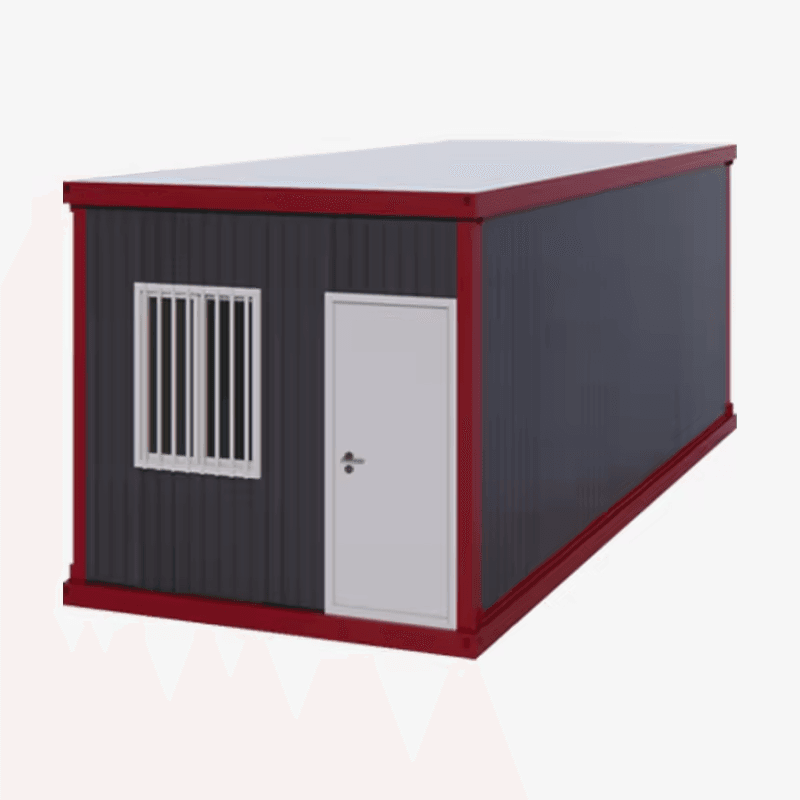
Prefabricated buildings are rapidly assembled on-site from standardized factory-produced components, covering various types such as prefabricated panel houses and prefabricated container houses. They have been widely applied globally in residential, commercial, and emergency sectors. Their core advantages are reflected in four aspects: Fast Construction Speed: Components are processed in factories and only require assembly on-site, reducing construction time by over 50% compared to traditional buildings. For example, in post-disaster reconstruction, prefabricated houses can be delivered within weeks, quickly addressing housing shortages. Outstanding Environmental Performance: They use recyclable materials like steel structures and fiberglass, reducing the use of high-energy-consuming materials such as concrete and bricks. Waste generation during production is reduced by 30%-40%, and on-site construction generates no dust or noise pollution, meeting green building standards. Highly Controllable Quality: The factory environment ensures component precision, with each batch undergoing strict testing to avoid quality fluctuations caused by manual operations in traditional construction. For example, the joint errors of prefabricated walls can be controlled to the millimeter level, ensuring overall building stability. Strong Design Flexibility: Modular design supports free combination, allowing adjustments to house size and functional zoning according to needs, suitable for scenarios such as residences, offices, shops, and temporary medical stations, meeting personalized demands.
The recommendation plan should be advanced in two steps: Promotion and Publicity Level:
- Systematically introduce the technical principles, application cases, and environmental benefits of prefabricated houses through news reports, social media, and industry forums, highlighting their convenience of 'building houses like assembling blocks'.
- Create demonstration projects by constructing prefabricated house communities with different house types and functions, open for on-site visits to visually showcase their aesthetics, comfort, and rapid delivery capabilities, enhancing public trust.
Cooperation and Promotion Level:
- Collaborate with real estate companies to include prefabricated houses as options in new developments, especially targeting young groups and vacation home markets, providing low-cost and efficient housing solutions.
- Work with government departments to prioritize the use of prefabricated houses in post-disaster reconstruction and public facility construction, such as temporary shelters, schools, and hospitals, shortening construction time and reducing social costs.
Through the popularization of technological advantages and scenario-based cooperation, prefabricated houses are expected to become a mainstream choice in the future construction field.



