
Prospects of Prefabricated Houses
Prefabricated houses (modular buildings) have broad prospects, with significant market potential and development advantages. This is reflected in the following aspects:
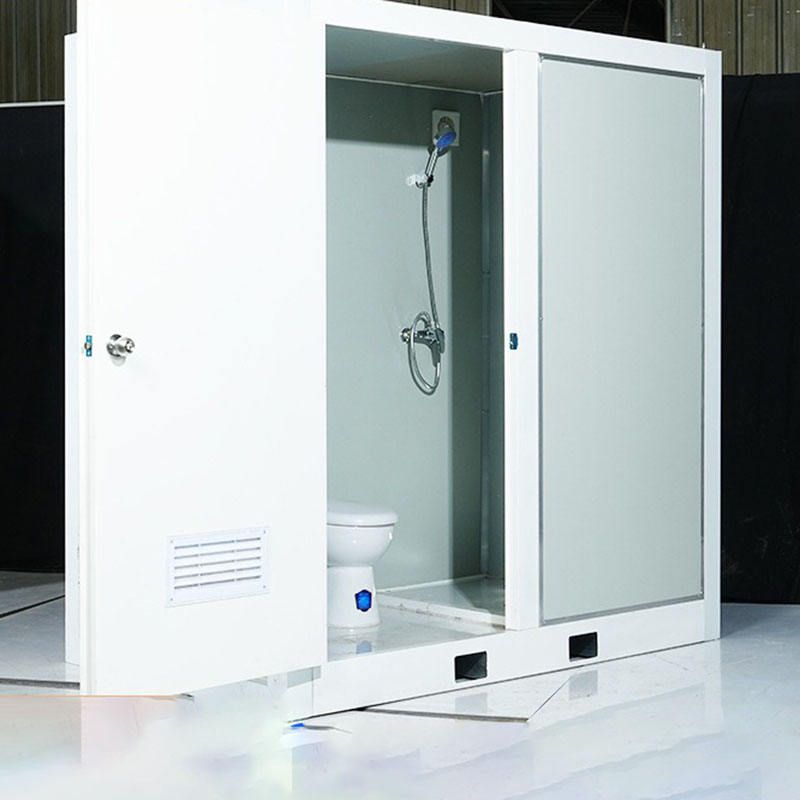
1. Significant Growth in Market Size
The global modular building market is experiencing rapid growth. According to market research firm projections, the global market size will exceed $142.8 billion by 2030. As a major producer and exporter, China has seen its prefabricated building export volume nearly triple between 2015 and 2025, with a 45% growth rate in the first quarter of 2026. In particular, exports of steel-structured modular building units surged by 229.8% year-on-year in the first five months. These figures indicate that modular buildings have become a key growth area in the construction industry, with sustained expansion in international demand.
2. Continuous Expansion of Application Scenarios
Modular buildings, leveraging their flexibility and efficiency, have expanded from traditional residential sectors to commercial, public facilities, and specialized scenarios. For example, the Guangdong Shenzhen affordable housing project used 6,028 concrete modules to reduce construction time from 2.5-3 years to just one year. The MRDC Hotel project in Papua New Guinea adopted a modular approach, completing delivery in months compared to the 14-18 months required by traditional construction. Additionally, scenarios demanding high construction speed and quality, such as data centers and hospitals, are increasingly becoming important application areas for modular buildings.
3. Strong Overseas Market Demand
China's modular building model has gained widespread international recognition. A British buyer completed the hoisting and installation of 63 modules within two weeks of their arrival. After completing the initial project, the Papua New Guinea owner placed consecutive follow-up orders and is currently negotiating the fifth phase. The export market structure has shifted from low-end temporary construction markets in Southeast Asia and Africa to high-end markets in Europe, the Americas, Australia, New Zealand, and the Middle East. Product forms now cover permanent residences and star-rated hotels, with customer groups expanding to multinational real estate groups, government housing departments, and tech giants.
4. Technological Advantages and Industrial Support
Modular buildings combine factory prefabrication with on-site assembly, achieving over 60% reduction in construction time, approximately 50% reduction in on-site labor, and significant reductions in noise and dust pollution. The assembly rate of building components can exceed 90%, with overall project durations shortened by more than one-third. However, this model relies on a well-developed industrial foundation, including technical systems, production capabilities, and industrial clusters, to ensure efficient production and quality control of modular buildings.



