
Is the Prefabricated House Illegal?
Whether a prefabricated house is illegal depends on the specific circumstances and cannot be generalized.
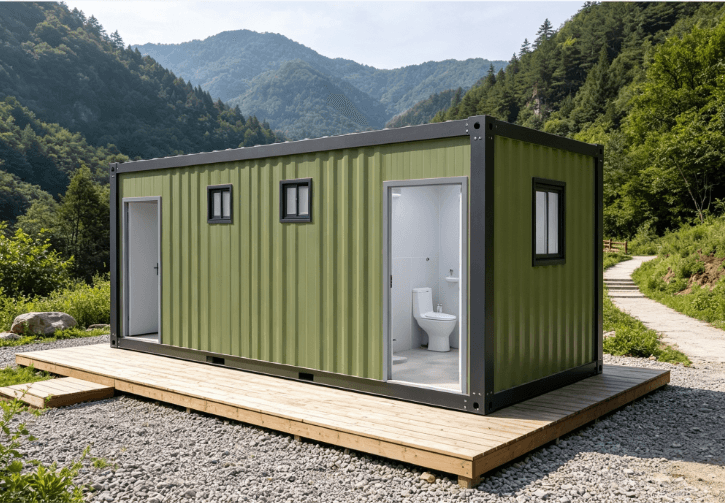
Self-built prefabricated houses in rural areas: In rural areas, if a prefabricated house is used for self-residence and meets certain conditions, it is considered a legal construction activity. Specifically, it is necessary to obtain the right to use homestead land in accordance with the law and regulations and carry out construction in accordance with local relevant building approval procedures. At the same time, the prefabricated components used must meet quality standards to ensure the structural safety of the house. If the approval procedures are not followed, and a prefabricated house is built privately, or if non-compliant prefabricated materials are used, it may violate relevant regulations such as the Urban and Rural Planning Law and Building Safety Management, and face legal liability.
Construction in urban, town, or village planning areas: For the construction of prefabricated houses in these planning areas, it is necessary to obtain a rural construction planning permit in accordance with the law and carry out construction in strict accordance with the provisions of the planning permit. If no permit is obtained or construction is not carried out in accordance with the regulations, there will be risks of being ordered to stop construction, make corrections within a time limit, and be demolished.
Temporary land use: If the construction of a prefabricated house involves temporary land use, it needs to be approved by the natural resources authorities of the people's governments at or above the county level, and a temporary land use contract should be signed, with corresponding compensation fees paid. At the same time, no permanent buildings may be constructed on the temporarily used land; otherwise, relevant regulations will be violated.
Occupation of cultivated land or damage to planting conditions: If the construction of a prefabricated house occupies cultivated land or carries out other activities that damage planting conditions, it will face penalties such as being ordered to make corrections within a time limit, carry out remediation, and pay fines. In serious cases, it may also constitute a crime and be held criminally liable in accordance with the law.



