
Prefabricated House Insulation Panels
Prefabricated house insulation panels are boards used in roofing systems to improve the base conditions and meet functional requirements such as thermal insulation. Common types include polyurethane foam boards, XPS extruded boards, rock wool boards, and composite integrated boards, among others.
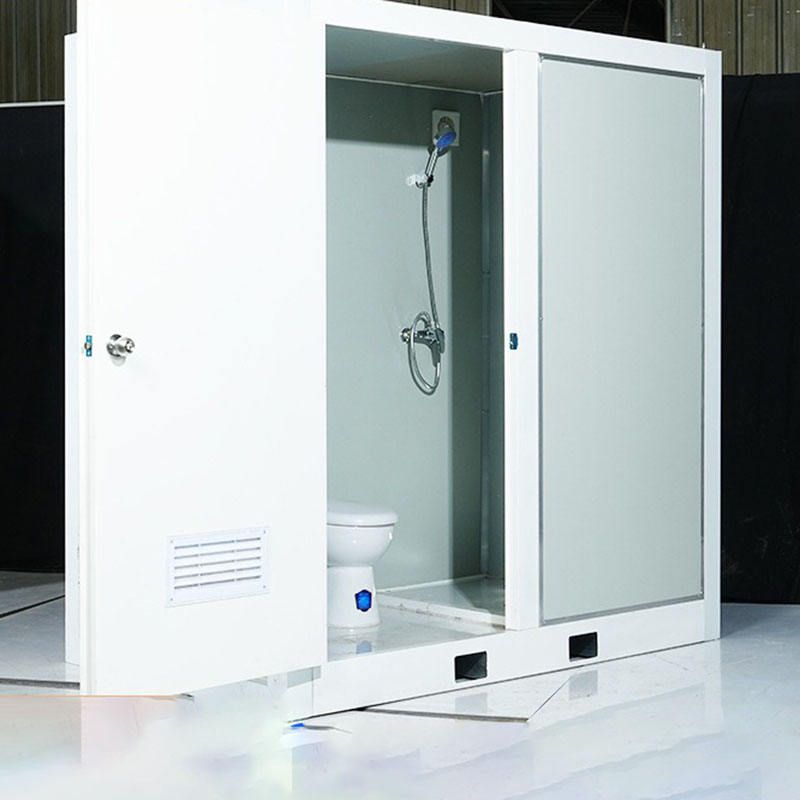
Prefabricated house insulation panels are an application form of prefabricated panels. Prefabricated panels were commonly used modules or sections in early 20th-century construction. They were manufactured and processed into shape at prefabrication sites and then transported to construction sites for installation. Cement boards used for thermal insulation on roofs are typical examples. As functional boards, roof insulation panels play an important role in roofing systems, not only improving the base conditions of the roof but also meeting requirements such as thermal insulation, moisture resistance, waterproofing assistance, and paving support to a certain extent.
Common types of roof insulation panels have their own characteristics. Polyurethane foam boards: They have efficient thermal insulation and waterproofing properties. Their closed-cell structure can effectively prevent heat transfer while providing good waterproofing to prevent rainwater penetration. However, their price is relatively high, making them suitable for building roofs with high thermal insulation and waterproofing requirements. XPS extruded boards: They are sturdy and durable with high compressive strength, capable of bearing certain loads. Moreover, they are suitable for humid environments, have low water absorption, and are not easily affected by moisture in terms of thermal insulation performance. They are commonly used for thermal insulation in humid areas such as basements and roofs. Rock wool boards: They have excellent fire resistance and belong to Class A non-combustible materials. In the event of a fire, they can effectively prevent the spread of flames and ensure building safety. However, their thermal insulation performance is relatively weaker, and they are generally used in places with strict fire resistance requirements and not particularly high thermal insulation requirements. Composite integrated boards: They integrate multiple functions into one, serving both as thermal insulation and having a certain decorative effect, which can save on decoration costs. However, special attention should be paid to their load-bearing capacity during use to avoid damage to the boards due to excessive loads.



