
Prefabricated House Export Process
The export process of prefabricated houses mainly includes four stages: factory prefabrication, unified packaging and transportation, sea export, and on-site assembly.
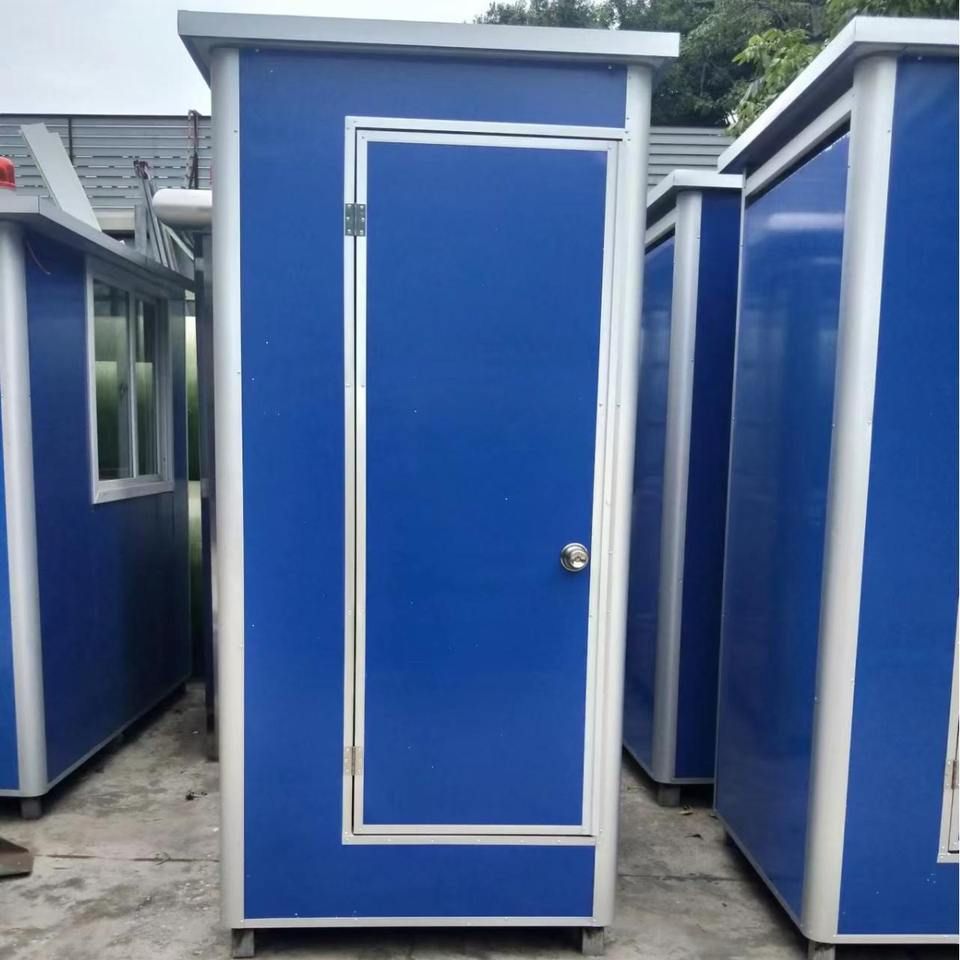
Factory prefabrication: This is the foundational stage of the entire process. The house is divided into different functional modules, which are manufactured in advance in the factory using standardized, modular, and universal production methods. In the factory, most of the construction procedures can be completed, including the main structure, water and electricity pipelines, bathroom waterproofing, bathroom fixtures, cabinets, and wardrobes. Moreover, construction errors are controlled within the millimeter range, greatly ensuring the quality and precision of the house. For example, a structural modular smart factory in Guangdong has a fully automated production line over 400 meters long that operates continuously, with a daily output of up to 50 modules. In Shenzhen's intelligent construction industrial park, the world's first concrete MiC flexible intelligent manufacturing production line can produce a complete set of building modules every 20 minutes, demonstrating the high efficiency of factory prefabrication.
Unified packaging and transportation: After the individual house modules are completed, they need to be uniformly packaged and loaded into large cargo containers. Subsequently, these large cargo containers loaded with house modules are transported by land to the port in preparation for overseas shipment. This stage ensures the safety and integrity of the house modules during transportation.
Sea export: The large cargo containers loaded with house modules are shipped by sea to overseas destination ports. For instance, they can be shipped from Dongguan Port Phase II to Dammam Port in Saudi Arabia. Sea transportation offers the advantages of large capacity and relatively low cost, making it suitable for long-distance and large-scale cargo transportation and meeting the needs of prefabricated house exports.
On-site assembly: When the house modules arrive at the overseas site, the assembly process is relatively simple. It does not require large quantities of cement and sand materials. Only a small number of construction workers are needed to cooperate with lifting equipment to splice the modules and complete the pipeline connections before occupancy. For example, in a hotel project in Papua New Guinea, after more than a month of sea transportation for 84 house modules, the entire assembly was completed on-site in just over ten days. In a multi-story elderly care apartment project purchased by the UK, after the arrival of 63 house modules, all lifting and construction were completed within two weeks, fully demonstrating the speed and efficiency of on-site assembly.



