
Compensation for Demolition of Prefabricated Houses
There are three main methods of compensation for the demolition of prefabricated houses: monetary compensation, property rights exchange, and housing voucher settlement, as detailed below:
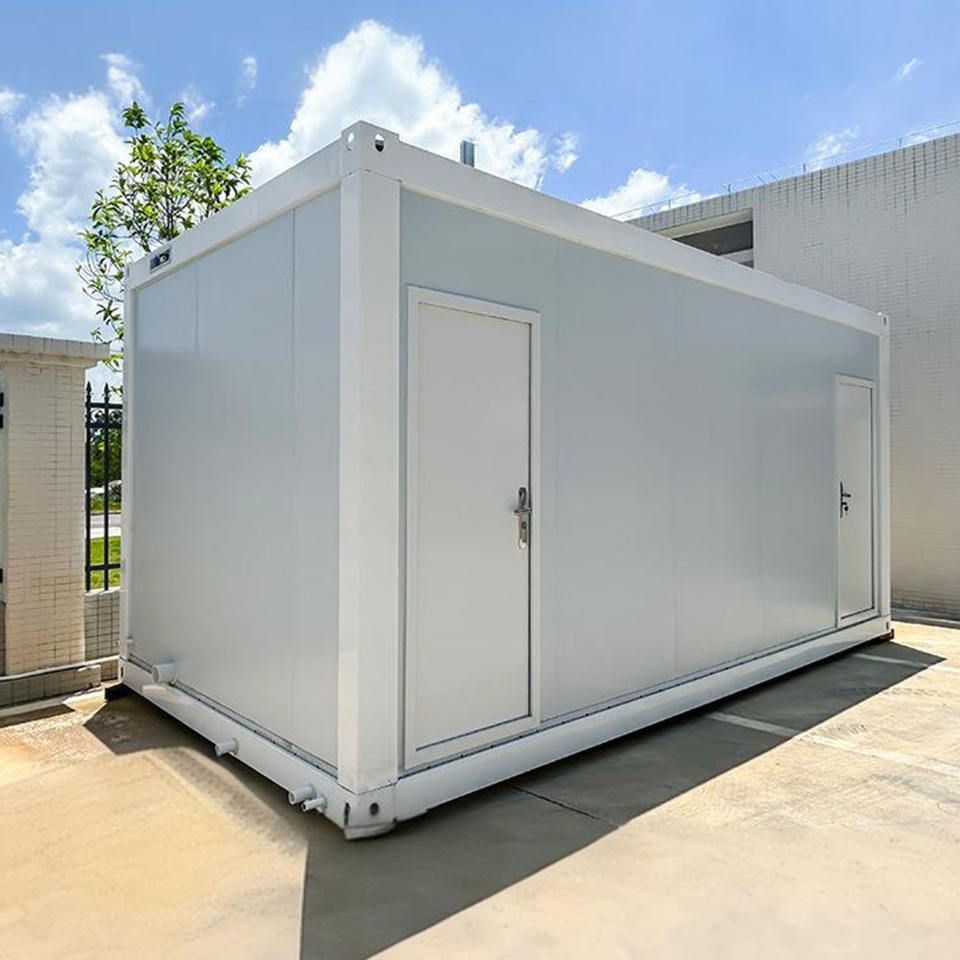
Monetary compensation is a relatively common approach. The government will transfer the compensation amount to the bank card of the person being demolished in a lump sum. The compensation amount is calculated by a third-party appraisal company with reference to the market prices of surrounding second-hand houses and covers multiple aspects. Among them, the compensation for the value of the house itself is not lower than the market price of similar real estate on the date of the expropriation decision announcement, and the result is determined by a qualified appraisal agency in accordance with appraisal methods. In addition, it includes compensation for decoration, which is a reasonable compensation for the decorated part of the house; moving expenses, used to cover the costs incurred during the relocation process; temporary rental expenses, which provide financial support for the person being demolished to rent a house during the transition period from the demolition of the old house to the occupation of the new one; and incentives for signing the agreement on time, to encourage the person being demolished to actively cooperate with the demolition work. However, early signing incentives should not replace compensation items such as house value, relocation, transition, and decoration.
Property rights exchange refers to the replacement of the old house with a new one. When there is a price difference between the old and new houses, a refund or additional payment is made accordingly. This method is further divided into two forms: in-situ relocation and off-site resettlement. In-situ relocation involves the demolition and subsequent reconstruction at the original location of the old house, allowing the person being demolished to ultimately return to a familiar area. Off-site resettlement means that the government allocates houses in other areas to the person being demolished to meet their housing needs. In the expropriation of state-owned land, if property rights exchange is chosen, the government shall pay temporary relocation expenses or provide transitional housing before the delivery of the exchanged house to ensure that the person being demolished has a place to live during the transition period.
Housing voucher settlement involves the government issuing housing purchase vouchers (housing vouchers), which the person being demolished can use to buy a house and deduct the house price in designated commercial housing developments. Some places also offer additional subsidies to encourage the person being demolished to choose housing voucher settlement. However, it should be noted that housing vouchers have an expiration date and will become invalid once expired. If the price of the purchased house exceeds the amount of the housing voucher, the person being demolished needs to make up the difference on their own.
In addition, moving expenses and transition expenses need to be calculated separately. In the expropriation of state-owned land, expenses incurred due to relocation will be compensated separately.



