
Quay lại blog
Bài viết
Prefabricated House Cost
Quản trị 18 tháng 9, 2026
The cost of prefabricated houses varies widely due to multiple factors, ranging from several hundred yuan per square meter to tens of thousands of dollars for finished houses.
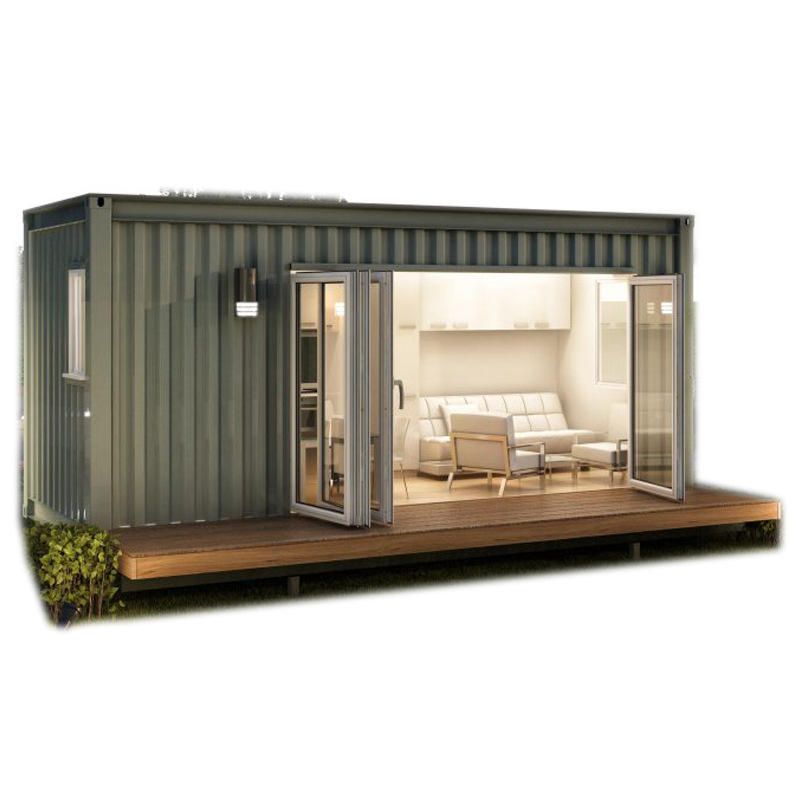
Domestic Prefabricated House Construction Costs
- Rural Areas in Henan: The construction cost per square meter is approximately over 300 yuan, and building a 200-square-meter house only costs around 70,000 to 80,000 yuan. There are also cases where the market price is generally between 300 and 350 yuan per square meter. For example, in Gongyi, Henan, there was a real-world case where a two-story, 300-square-meter house was constructed using C35 concrete prefabricated components. The main structure was assembled in just 4 hours, with a total cost of 250,000 yuan, translating to a unit price of 300 yuan per square meter.
- Other Regions and Brands: There are also prefabricated houses with other prices on the market. For instance, the prefabricated light-steel assembled houses from Furimei in Cangzhou, Hebei, are priced at 480 yuan per square meter; the prefabricated sentry box houses from Baitai Housing Technology in Ganzhou, Jiangxi, are priced at 800 yuan per square meter; and the single-story light-steel villas from Hebei Xuanli Housing Construction Co., Ltd. in Heze, Shandong, are priced at 1,270 yuan per square meter.
Prices of Finished Prefabricated Houses
The prices of finished prefabricated houses can be as low as several tens of thousands of dollars. For example, a prefabricated house with approximately 70 square meters, featuring two bedrooms and one living room, complete with a kitchen and bathroom and all socket outlets pre-installed, costs less than 30,000 US dollars, equivalent to less than 200,000 yuan.
Factors Affecting Prices
- House Area: Larger house areas generally result in higher prices. This is because a larger area requires more materials and longer construction times, leading to increased costs.
- Configurations: High-end configurations such as kitchen and bathroom facilities, smart door locks, and panoramic glass increase the cost of prefabricated houses. These configurations not only require additional materials but may also involve more complex design and installation processes.
- Materials: The use of high-quality materials such as steel structures and wear-resistant, corrosion-resistant materials increases the price of prefabricated houses. These materials typically offer better performance and longer service lives but come at a relatively higher cost.
- Export Countries: The market demand, consumption levels, and import policies of different countries also affect the final selling price of prefabricated houses. For example, some developed countries have higher requirements for house quality and environmental protection, which may increase the production and transportation costs of prefabricated houses, leading to higher selling prices.



