
Prefabricated House Certification Process
The certification process for prefabricated houses varies depending on the target country and scenario. The common processes are as follows:
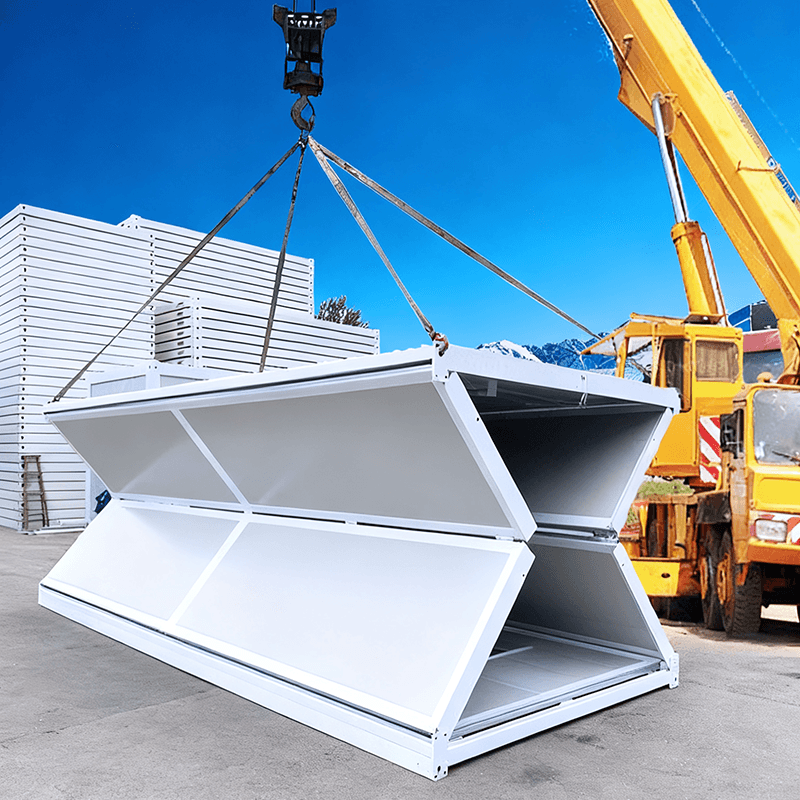
I. International Certification Process (Taking Australia as an Example)
Core Certification Requirements
- Structural and Energy Efficiency Standards: It is necessary to pass CodeMark certification and comply with the AS/NZS 1170 structural standards. For those considered as residences upon delivery, NCC energy efficiency assessment is required.
- Asbestos-Free Testing of Building Materials: Building materials must obtain asbestos-free certificates from NATA-accredited laboratories. The specific process involves sampling different batches and types of building materials and sending them to NATA laboratories for asbestos component testing using polarized light microscopes or electron microscopes. If no asbestos is detected, a certificate is issued.
Land and Building Classification
There are significant policy differences among states. For example, New South Wales allows the construction of Accessory Dwelling Units (ADUs) in backyards, subject to local planning requirements.
II. Certification Process for Prefabricated Houses on Rural Homesteads in China
Homestead Application and Approval
- Applicant Eligibility: Applicants must be members of the village's collective economic organization and comply with the "one household, one homestead" principle.
- Material Submission: Identity card, household registration booklet, homestead application form, etc.
- Approval Process: After discussion and publicity by the village group, review by the village-level organization, and joint review by the township government, the "Rural Homestead Approval Certificate" and the Rural Construction Planning Permit are issued.
Construction and Acceptance
- Construction Specifications: It is necessary to comply with local building codes, safety standards, and environmental protection requirements.
- Completion Acceptance: After completion, an acceptance application is submitted, and relevant departments conduct on-site inspections and issue an acceptance opinion form.
Real Estate Registration
After passing the acceptance, apply for real estate registration with the approval documents and the acceptance opinion form to finally obtain the property ownership certificate.
III. General Compliance Self-Check Recommendations
Confirmation of Target Country Access Thresholds
- Clarify the local definitions of "mobile homes," "temporary buildings," and "permanent residences" to avoid compliance risks due to misclassification. For example, most states in the United States require prefabricated houses to pass HUD or IRC certification, and the European Union mandates CE certification (including EN 1090 steel structure standards).
Manufacturer Selection and Customization
- Prioritize manufacturers with ISO 9001 quality management system certification, verify their export records and equipment operation status, and ensure that the production process complies with international standards.
Tip: Before certification, a comprehensive assessment should be conducted based on the target country's regulations, land nature, and manufacturer qualifications. If necessary, consult professional institutions or local government departments to ensure process compliance.



