
Prefabricated High-Rise Building Images
Currently, specific images of prefabricated high-rise buildings cannot be provided directly, but a detailed introduction to their construction process and characteristics can be offered.
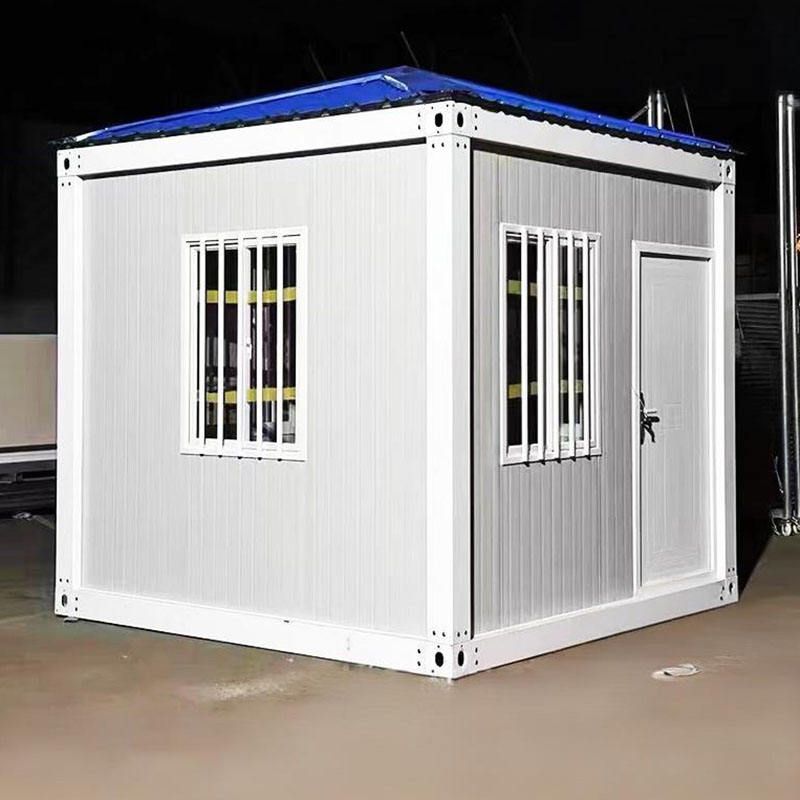
In China, prefabricated construction technology is gradually being applied to high-rise buildings. This technology is also known as modular construction or prefabricated construction. Its core lies in the fact that various components of the building, such as walls, floors, plumbing and electrical systems, and even interior decoration, are pre-manufactured in the workshops of intelligent factories. These prefabricated modules, like automotive parts, undergo precise design and processing to ensure that each module fits perfectly.
Taking the construction site in Longgang, Shenzhen as an example, when these prefabricated modules are transported to the site, cranes quickly lift them and precisely place them in predetermined positions. The entire process, from the ground to the designated location, takes only about 20 minutes. After the modules are hoisted into place, workers only need to perform simple operations such as screwing and connecting pipelines, and this floor is basically assembled. This construction method not only significantly shortens the construction period but also improves the quality and safety of the building.
The advantages of prefabricated high-rise buildings are significant:
- Efficient and fast: A 16-story building, assembled from 298 modules, can be ready for delivery in just 120 days from the first hoisting. This speed far exceeds that of traditional construction methods.
- Quality control: Since all modules are prefabricated in the factory, the quality of each module can be strictly controlled, ensuring the overall quality of the building.
- Environmentally friendly and energy-saving: Prefabricated construction technology reduces noise, dust, and other pollution from on-site construction. At the same time, since modules can be reused, it also reduces the generation of construction waste.
- Flexible and versatile: Modular buildings can be flexibly combined and adjusted according to needs to meet different functional and spatial requirements.



