
Lifespan of Prefabricated Floor Slab Houses
The lifespan of prefabricated floor slab houses generally ranges from 30 to 50 years, but the actual lifespan is influenced by various factors, with top-quality materials and craftsmanship potentially extending it to 70 years.
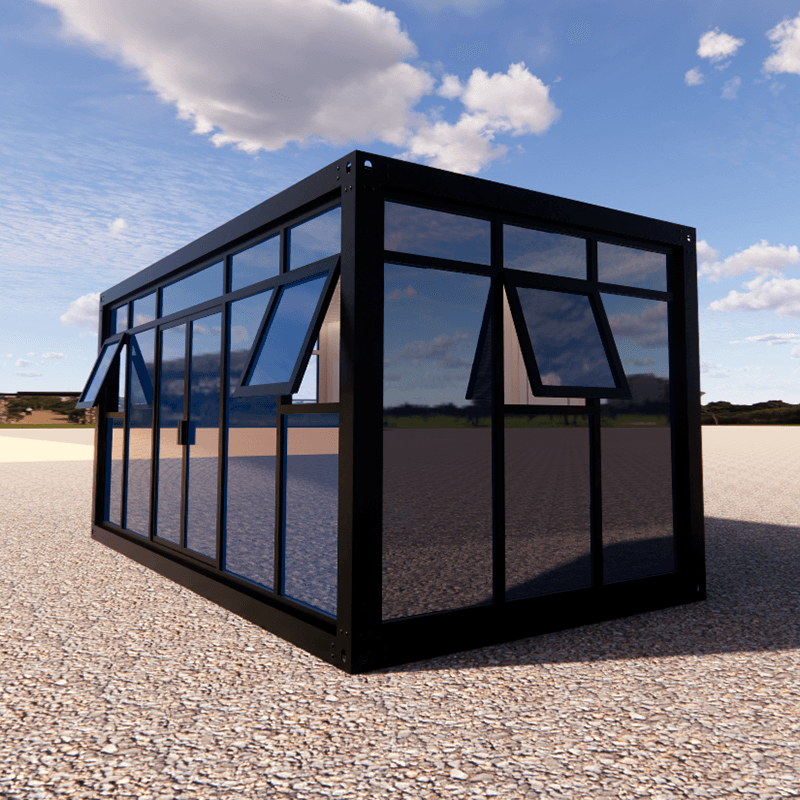
I. Lifespan under Ideal Conditions Under normal maintenance, with high-quality materials, good construction standards, and a suitable environment, prefabricated floor slab houses can achieve their designed lifespan of 30 to 50 years. If both materials and craftsmanship are of the highest quality, their lifespan can even be extended to 70 years. This indicates that under ideal conditions, prefabricated floor slab houses have a relatively long lifespan.
II. Key Factors Affecting Lifespan
- Material Quality: Material quality is a crucial factor influencing the lifespan of houses. If low-grade cement and easily rusting steel bars are used, the house may develop problems within a decade or so, such as structural cracking and steel bar corrosion, seriously affecting its safety and lifespan.
- Construction Standards: Construction standards are equally vital. Improper joint treatment or insecure connections can lead to cracking and water leakage issues in the house soon after construction, thereby shortening its lifespan.
- Environmental Conditions: Environmental conditions also have a significant impact on the lifespan of houses. Houses located in humid environments or earthquake zones may experience accelerated steel bar corrosion, potentially reducing their lifespan by 30%. Additionally, extreme weather conditions, such as floods and typhoons, can also cause severe damage to houses.
- Maintenance Status: Lack of maintenance is a major cause of premature aging in houses. If a house lacks regular inspections and maintenance over an extended period, it may become a dangerous structure prematurely and become uninhabitable.
III. Special Cases and Standard Explanations In the past, engineers provided a reference aging period of three to four decades based on the building material standards of the time, assuming almost no maintenance. However, this is not a mandatory scrapping lifespan. The national standard for ordinary residential buildings sets the designed service life at 50 years. With normal construction and maintenance, no major repairs are needed within 50 years. After expiration, if the house passes inspections and undergoes repair and reinforcement, it can still continue to be inhabited.



