
Prefabricated Concrete House Manufacturing
Prefabricated concrete house manufacturing is an industrialized construction method that processes materials such as steel bars and concrete into components through standardized processes and then assembles them on-site into complete houses. Its core processes cover material preparation, component production, transportation, and installation, featuring efficiency, environmental friendliness, and controllable quality.
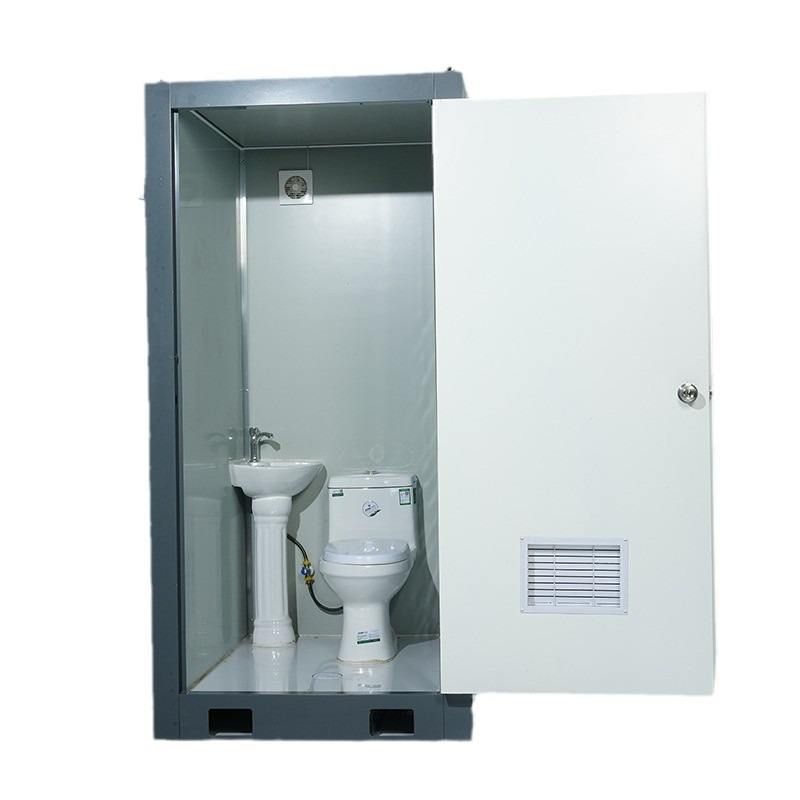
I. Material and Process Selection
The material of prefabricated concrete houses is mainly concrete, with some using color-coated steel or composite materials to enhance performance. The manufacturing processes are divided into traditional casting and welding: traditional processes rely on molds to cast concrete components, suitable for load-bearing structures; welding processes are mostly used for light steel movable houses, enabling rapid assembly through steel splicing. For example, manufacturers like Xinwei Hongtu combine high-strength concrete with steel bar frameworks to ensure component durability; enterprises like Dingshun produce light steel houses through welding technology to meet the needs of temporary buildings.
II. Core Manufacturing Processes
- Component Production: According to design drawings, steel bar binding, formwork installation, concrete pouring, and curing are completed in the factory. Modern processes use automated production lines, densifying concrete through vibration tables to reduce air bubbles and enhance component strength.
- Quality Inspection: After demolding, components undergo compression and crack resistance tests to ensure compliance with construction standards. For example, prefabricated wall panels need to be inspected for perpendicularity and flatness, with errors controlled within millimeters.
- Transportation and Installation: Components are transported to the site by specialized vehicles and assembled in sequence using lifting equipment. Light steel houses can be installed in a "building-block" manner, while modern-style prefabricated houses require precise alignment of water and electricity pipeline interfaces.
III. Advantages and Application Scenarios
The industrialized production model of prefabricated concrete houses significantly shortens the construction period, saving 30%-50% of time compared to traditional construction. Their components are processed in the factory, less affected by weather, and have more stable quality. Additionally, modular design supports flexible expansion, suitable for scenarios such as post-disaster reconstruction, tourist homestays, and temporary housing on construction sites. For example, prefabricated houses can be quickly erected in earthquake-prone areas, while color-coated steel houses are commonly seen in construction site office areas.
IV. Industry Status and Development
Currently, domestic prefabricated concrete house manufacturing enterprises have achieved large-scale production, with some introducing BIM technology to optimize designs and improve production efficiency through digital management. With the promotion of green building policies, the energy-saving performance of prefabricated houses continues to upgrade, such as using insulation sandwich panels to reduce energy consumption, driving the industry towards low-carbon development.



