
Prefabricated Cement Panel House
Prefabricated cement panel houses are structures built primarily with prefabricated panels, offering specific advantages but also having notable drawbacks, and are gradually being replaced.
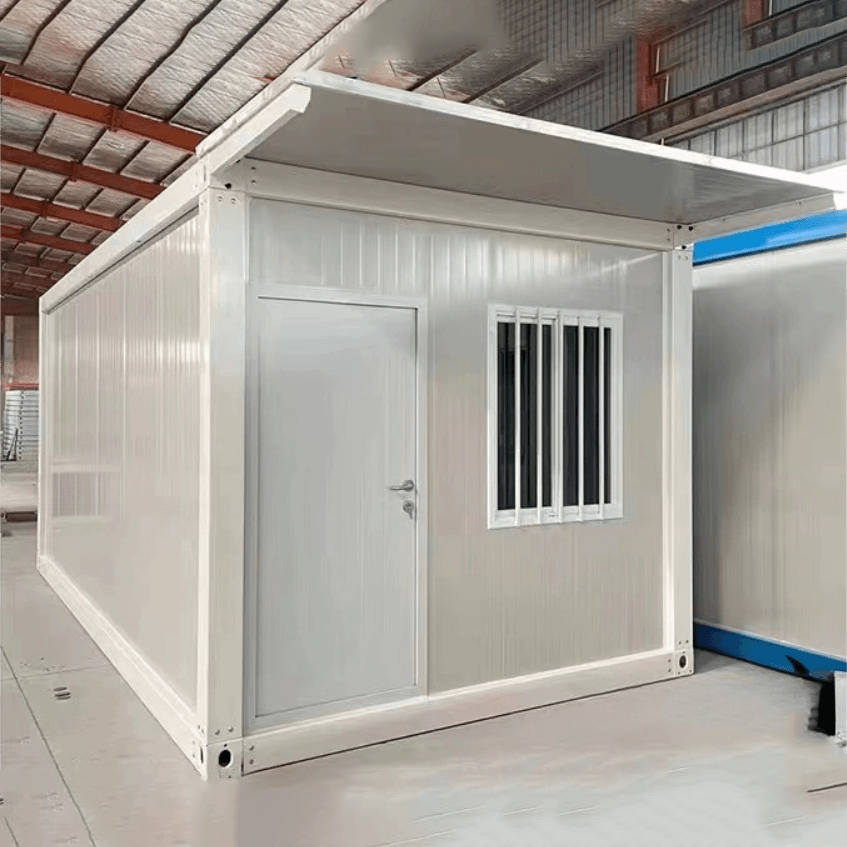
Origin and Basic Structure
Prefabricated cement panel houses originated in the early 20th century and were initially used mainly for floor slabs and roof insulation layers. In China, many residential buildings constructed before 1985 adopted this type of structure. Prefabricated panels are cement components manufactured in factories. To make them, wooden molds are first nailed together, followed by the placement of steel bars and the pouring of cement, resulting in two types: solid and hollow. The hollow structure achieves lightweighting by reducing the non-load-bearing concrete.
Advantages and Characteristics
In rural areas, prefabricated cement panel houses were once the preferred choice for many farmers due to their numerous advantages. They require less steel, are cost-effective, and have a simple construction process. Workers only need to place the prefabricated cement panels on the foundation, which is a very fast process. Moreover, each space is prefabricated in advance, ensuring safety and allowing for secondary use.
Existing Problems
With the development of construction technology, existing prefabricated cement panel houses generally face several issues. Weak earthquake resistance makes it difficult to meet modern building requirements for seismic performance. Poor sound insulation and thermal insulation are common problems, as the panels are typically about 10 centimeters thick with long circular holes in the middle, allowing sound to penetrate easily and be amplified through the holes, while thermal insulation performance is also inadequate. Water leakage is a prevalent issue due to the fine gaps between the independently assembled panels, which allow rainwater to seep in and corrode the steel bars. Their service life is approximately 30-50 years, and some regions have initiated demolition work. Since 2022, China has implemented a policy of renovating old buildings, focusing on repairing and upgrading prefabricated panel houses and only demolishing those that meet the criteria for dangerous buildings.
Market Status
"Prefabricated houses" mainly come in three forms: steel structure, concrete, and wood. Chinese companies have comparative advantages in steel and concrete structures. Steel structures are lightweight, suitable for ocean transportation and high-rise buildings, while concrete structures offer a more traditional living experience and are widely accepted in the domestic market. In the first four months of 2026, enterprises in the Guangzhou Customs area exported 1.4 billion yuan worth of mobile houses, a year-on-year increase of 38.1%. During the same period, the Shenzhen port exported 1.68 billion yuan worth of mobile houses, a year-on-year increase of 19.6%.



