
Prefabricated Building Blocks for Houses
Prefabricated building blocks for houses are independent modular units that are prefabricated in factories as part of modular or prefabricated construction and then transported to the site for assembly.
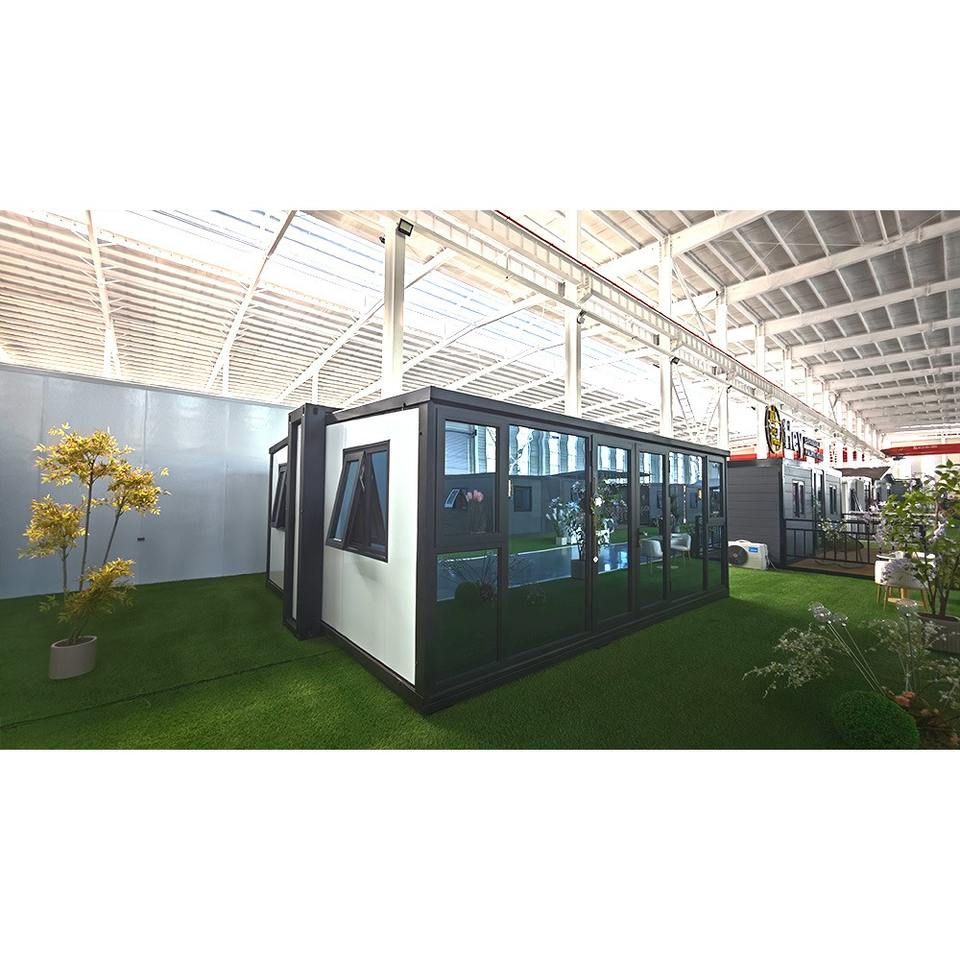
Core Features
Standardized and Industrialized Production
Prefabricated building blocks for houses are designed through standardization, breaking down buildings into independent modules. In factories, components such as ceilings, floors, walls, and plumbing and electrical systems are integrated and manufactured. Each component comes with an 'ID card' recording production information, enabling millimeter-level precision control and ensuring consistent quality. For example, a Shenzhen affordable housing project used 6,028 concrete modules for assembly, reducing the construction period from the traditional 2.5-3 years to just 1 year.Efficient and Environmentally Friendly Construction Mode
Prefabricated blocks adopt an assembly-based construction method, reducing on-site work by approximately 70% and shortening project durations by 50%-70%. Additionally, factory-based production reduces construction waste by about 80%, lowers noise and dust pollution, and alleviates traffic pressure, aligning with green building trends. The Beijing Haidian District Dinghui Temple North Plot affordable rental housing project verified its construction efficiency through the hoisting of the first concrete module.Structural Safety and Adaptability
Modular structures enhance seismic performance through integrated connections, making them suitable for earthquake-prone regions. Technical classifications include:
- Panel-based prefabrication: Focused on prefabricated wall panels and floor slabs, but with limited design flexibility;
- Box-based prefabrication: Combining prefabricated functional units, improving construction speed by 50%-70%, but requiring high transportation and hoisting equipment;
- Modular construction: Higher integration, representing the direction of building industrialization.
Application Scenarios
- Residential Sector: The Shenzhen affordable housing project addressed large-scale housing demands through modular assembly, accommodating over 2,000 households.
- Public Buildings: The Beijing Haidian District affordable rental housing project adopted concrete module hoisting, promoting standardization in public housing construction.
- Overseas Markets: In the first four months of 2026, the Guangzhou Customs District exported movable houses worth 1.4 billion yuan, a year-on-year increase of 38.1%, indicating growing international demand for prefabricated modules.
History and Industrial Support
China's prefabricated concrete technology originated in the 1950s, experienced rapid development in the 1970s, declined in the 1980s, and regained importance in the 21st century due to environmental and efficiency advantages. Currently, intelligent production lines have been established in Shenzhen, Guangdong, with an annual delivery capacity of 20,000-30,000 modules, forming a complete support system encompassing technology, production, and industrial clusters.



