
Prefabricated Building
Prefabricated buildings are a form of construction that uses industrially produced building components assembled on-site. The main types include panel-assembled, box-assembled, and frame-assembled structures, with modular construction representing a more integrated model.
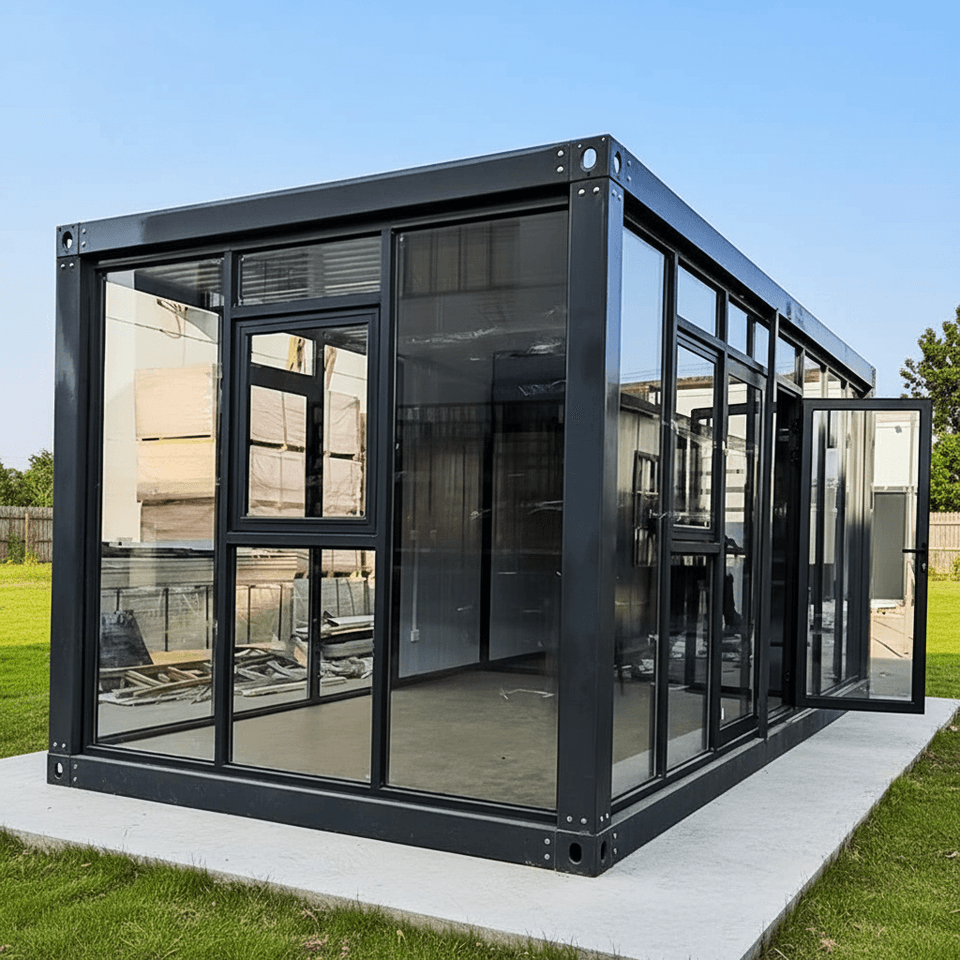
Technical Systems and Production Modes
The core technologies of prefabricated buildings encompass prefabricated concrete structures and steel structures, with components including prefabricated beams, slabs, walls, and columns. Modular construction, as an upgraded form, breaks down buildings into independent modules. These modules undergo complete assembly-line production in factories, including ceilings, floors, plumbing and electrical systems, walls, and waterproofing layers, before being transported to the site for assembly. For example, the CSCEC Dragon Intelligent Construction Industrial Park in Shenzhen, Guangdong, can deliver 20,000 to 30,000 modules annually, achieving an efficient model of “building like assembling blocks.”
Advantages Compared to Traditional Construction
- Significantly Shorter Construction Periods: Modular construction parallels factory prefabrication with on-site assembly, greatly reducing construction time. A residential project in Shanghai saw its construction period shortened by over 60% after adopting this technology; a social housing project in Shenzhen used 6,028 concrete modules to build five nearly 100-meter-tall residential buildings, reducing completion time from 2.5 - 3 years to just one year.
- High Quality Control: Standardized factory production eliminates manual errors, ensuring uniform component precision and quality. For instance, the prefabricated concrete shear wall structural system enhances seismic performance and durability through industrial production.
- Outstanding Environmental Benefits: On-site labor is reduced by approximately 50%, while noise, dust, construction waste, and traffic congestion are also minimized. The Shenzhen project reduced construction waste by about 70% through modular construction, aligning with trends in green building development.
Development History and Market Applications
China's prefabricated concrete technology began in the 1950s, initially used for factory and residential construction. In the 1970s, policies promoting “industrialization, standardization, and mechanization” led to the formation of technical systems such as large-panel and box structures. The 1980s saw a stagnation due to cost and quality issues, but the 21st century has witnessed a revival driven by production efficiency and environmental advantages. Companies like Vanke Group have developed prefabricated shear wall residential structural systems and applied prestressed prefabricated concrete frame technology in projects such as Nanjing Jindi Yufang. Additionally, China's exports of prefabricated buildings have grown significantly, with the Guangzhou Customs district exporting 1.4 billion yuan worth of modular housing in the first four months of 2026, a 38.1% year-on-year increase, indicating international market recognition of industrialized building products.



