
Prefabricated Assembly-Type Housing Buildings
Prefabricated assembly-type housing buildings are a form of construction that involves industrial production of building components and on-site assembly, offering advantages such as shortened construction periods, reduced pollution, improved efficiency, and enhanced quality and safety levels.
Main Types and Technical Characteristics
Prefabricated assembly-type buildings are mainly divided into three categories:
- Panel Assembly-Type: Using prefabricated wall panels and floor slabs as core components, rapid assembly is achieved through standardized design. Its advantage lies in expanding indoor usable area, but it has lower design flexibility and is suitable for standardized residential or factory building construction.
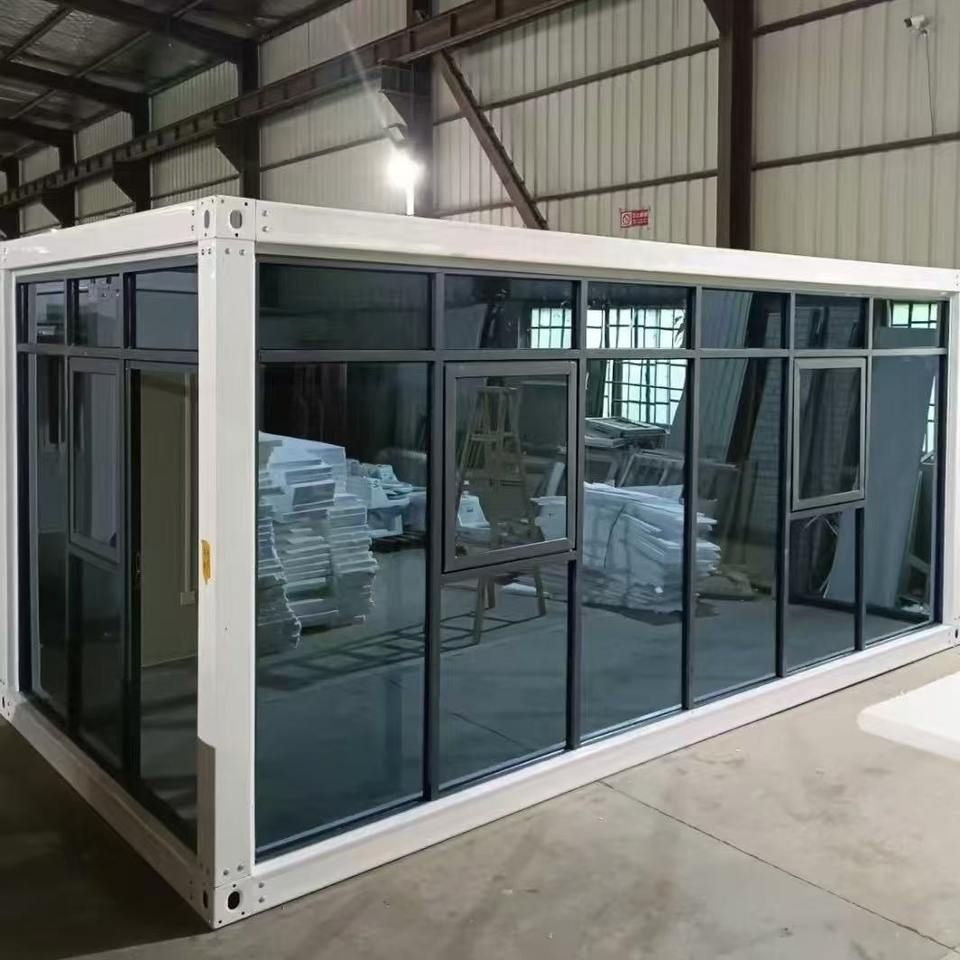
- Box Assembly-Type: Directly combining prefabricated functional units (such as kitchen and bathroom modules), construction speed is increased by 50%-70% compared to traditional methods. However, it relies on large-scale transportation and lifting equipment, resulting in higher costs, and is mostly used for temporary buildings or emergency housing.
- Modular Construction: With the highest level of integration, buildings are broken down into independent modules (such as bedroom and living room modules), which are completed with interior decoration and equipment installation in the factory before being transported to the site for assembly. Construction periods can be shortened by more than 60%, making it suitable for large-scale projects such as hotels and apartments.
Technically, it covers prefabricated concrete structures and steel structures, with components including prefabricated products such as beams, slabs, walls, and columns. Concrete structures have lower costs and are suitable for multi-story residential buildings; steel structures are lightweight and have good earthquake resistance, often used for high-rise or large-span buildings.
Development History and Policy Promotion
China's prefabricated concrete technology began in the 1950s, initially applied to factory and residential building construction, but stagnated later due to technical limitations. In the 21st century, with increasing environmental protection demands and production efficiency improvements, the industry has recovered. Companies like Vanke have developed prefabricated shear wall residential structural systems and promoted prefabricated frame technology.
At the policy level, many regions have set clear development goals for prefabricated buildings:
- Hainan Province: By 2025, the proportion of newly started prefabricated buildings will reach 80%;
- Guangzhou City: Starting from 2026, 100% of residential land will implement prefabricated buildings, and commercial and industrial land will adopt them "where technically feasible."
Market Applications and Export Performance
In the domestic market, prefabricated buildings have transitioned from pilot projects to large-scale applications, especially in areas such as affordable housing, schools, and hospitals. In the international market, Chinese-made prefabricated houses are selling well overseas due to their cost advantages and technical maturity. According to customs data, in the first four months of 2026, the export value of movable houses in the Guangzhou Customs area reached 1.4 billion yuan, a year-on-year increase of 38.1%, mainly exported to Southeast Asia, the Middle East, and other regions.
Prefabricated assembly-type buildings, through the combination of industrial production and on-site assembly, are becoming an important direction for the transformation and upgrading of the construction industry, offering both economic and social value.



