
Prefabricated Assembly House Design Plan
The prefabricated assembly house design plan can be divided into three types: attraction-oriented, comfort-oriented, and functional. The appropriate plan should be selected based on project requirements, costs, and operational objectives, following implementation points such as technical planning and modular design.
I. Plan Types and Applicable Scenarios
Attraction-Oriented Plan
Suitable for scenic spots or campsite projects, with the core goal of attracting visitors and creating a buzz. The design should adopt highly recognizable shapes (such as triangular wooden houses, spherical houses, etc.) to quickly gather popularity through unique appearances. This type of plan should prioritize quick-to-launch combinations, such as standardized module assembly, to shorten construction cycles and seize market opportunities. If the project is concerned about homogenization, it can incorporate regional culture or natural elements to design check-in points, enhancing dissemination.Comfort-Oriented Plan
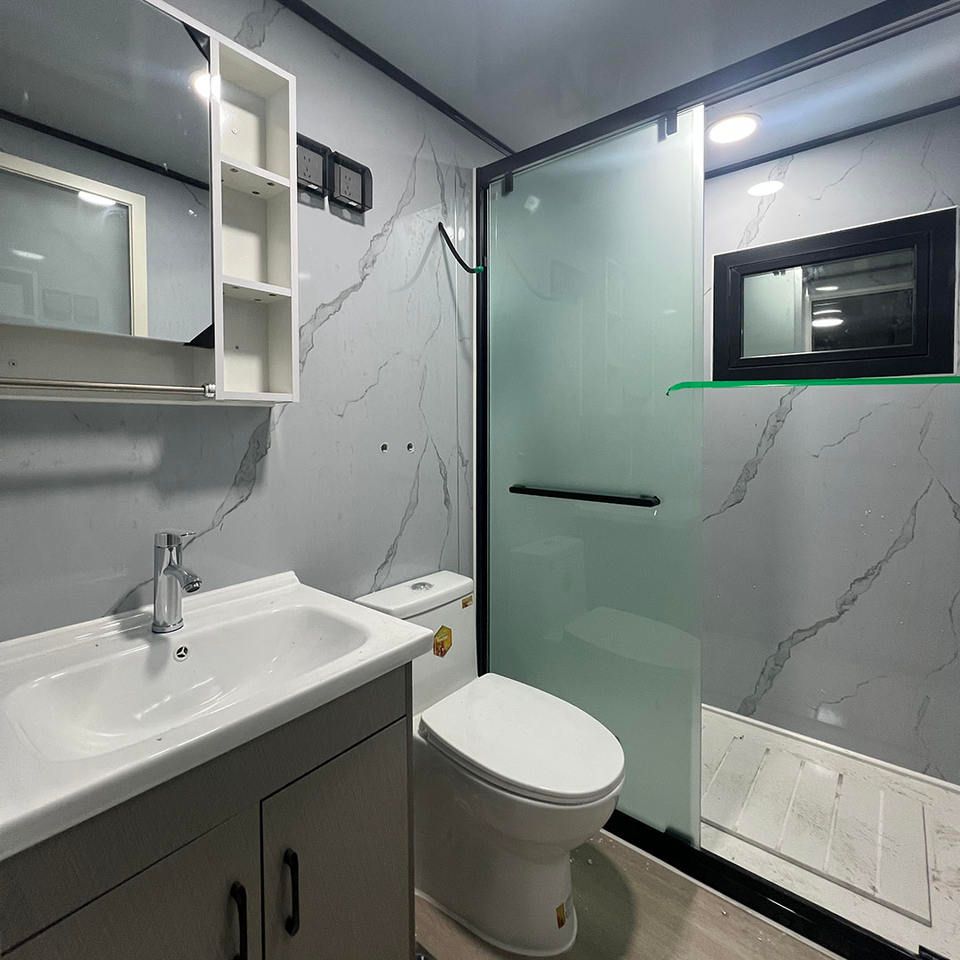
Aimed at homestay projects, focusing on addressing pain points that directly affect reputation, such as sound insulation and temperature and humidity control. The design should adhere to the standard of "living comfortably" and avoid overly complex structures. For example, materials like double-glazed windows and high-efficiency insulated walls can be used to improve thermal insulation performance; modular bathroom units can reduce noise transmission. This type of plan should ensure controllable maintenance costs to avoid negative reviews due to equipment failures or excessive energy consumption, thereby maintaining room rates and operational stability.Functional Plan
Suitable for supporting buildings such as reception centers and sales kiosks, emphasizing construction efficiency and site adaptability. Prefabricated assembly technology can achieve advantages such as clean construction, fast pace, and minimal impact on the site, for example, by using detachable modules to meet temporary needs or lightweight structures to adapt to complex terrains. The design should prioritize functional requirements, such as optimizing operational flow lines for sales kiosks and reserving space for equipment upgrades in reception centers.
II. Design Implementation Points
Technical Planning Stage
It is necessary to clarify the project positioning (such as attraction-oriented, comfort-oriented, or functional), cost limits, and industrialization goals. For example, the attraction-oriented plan can relax some material costs in exchange for unique shapes, while the comfort-oriented plan should strictly control the environmental protection level of building materials. At the same time, it is necessary to determine the implementation plan for standardized components to reduce the production of non-standard parts and lower costs.Design Stage
Adhere to the principle of "multiple combinations, few specifications" to achieve diverse appearances through different arrangements and combinations of standardized modules, avoiding production complexity due to excessive specifications. For example, triangular wooden houses can adopt uniformly sized roof truss modules to form different layouts through rotation or stacking.Structural Node Design
Focus on solving waterproofing issues at door and window openings, joints, and other parts. For example, designs such as pre-embedded waterproof strips and stepped drainage grooves can be adopted to ensure building durability. The modular system should rely on factory-prefabricated components and precise on-site assembly to reduce wet operations (such as concrete pouring), lower temporary energy consumption, and achieve full-chain energy conservation.
III. Selection Recommendations
- If the project is concerned about slow return on investment, prioritize quick-to-launch combination plans (such as standardized modules for attraction-oriented projects);
- If concerned about homogenization, prioritize room types with check-in and dissemination effects (such as irregular structures or cultural theme designs);
- If concerned about negative reviews, prioritize ensuring comfort (such as sound insulation and temperature and humidity control) and controllable maintenance costs (such as selecting durable materials).



