
Portable Toilet Used For Sale Explained: How to Choose the Right One
When choosing a portable toilet for sale, it is essential to evaluate it comprehensively from dimensions such as materials, functionality, scene adaptability, safety compliance, and additional features to ensure it meets practical needs while considering long-term usage value.
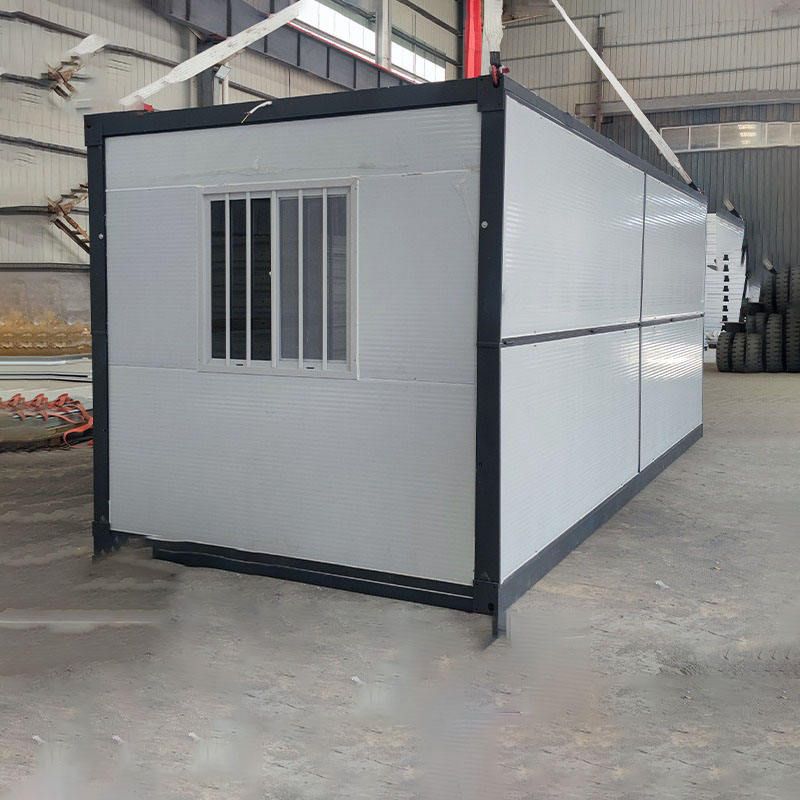
1. Material and durability are core considerations The material of a portable toilet directly affects its service life and applicable environment. HDPE (High-Density Polyethylene) material is corrosion-resistant and UV-resistant, suitable for outdoor or humid environments, and is lightweight for easy transportation. Metal-and-plastic composite structures (such as steel frames with waterproof plastic panels) combine strength and portability, capable of withstanding harsh weather. Steel structures are renowned for their high wind resistance (exceeding 220 km/h) and earthquake resistance (exceeding magnitude 8), with a lifespan of up to 25 years, suitable for long-term fixed use scenarios. Choose materials that match usage frequency and environmental conditions to avoid frequent replacement costs due to material degradation.
2. Functionality and design should meet practical needs Functional design directly impacts user experience. Flush mechanisms (such as sit-down flush systems) are more hygienic than non-flush types, suitable for scenarios with high hygiene requirements. Compact designs facilitate transportation and installation in narrow spaces, ideal for temporary events. Modular designs support horizontal or vertical combinations, allowing flexible capacity expansion to meet the needs of large events or construction sites. Customizability (such as brand logos and colors) can fulfill the personalized needs of corporate events or themed scenarios. For rapid deployment, prioritize products with wheeled bases or foldable designs.
3. Scene adaptability determines usage efficiency Portable toilets must match specific usage scenarios. Products with strong multifunctional adaptability can cover public spaces, hotels, outdoor events, construction sites, etc., but attention should be paid to detail differences: for example, construction sites require impact-resistant and easy-to-clean models; outdoor music festivals need to consider rapid installation and ventilation performance. Rapid deployment capability is crucial for temporary scenarios, prioritizing products with pre-installed accessories and no need for complex assembly to shorten setup time and reduce labor costs.
4. Safety and compliance are the bottom-line requirements Products must comply with CE, RoHS, and other safety and environmental standards to ensure non-toxic materials and stable structures. Some products pass CEC and CE certifications, further verifying their safety performance such as fire resistance and leakage prevention. Before purchasing, verify certification marks to avoid legal risks or usage hazards due to compliance issues.
5. Additional features enhance usage experience Ventilation and odor control systems (such as weather-resistant structures with exhaust fans) can effectively reduce odors, suitable for enclosed or crowded scenarios. Additional features such as handrails, non-slip floors, and night lighting can enhance the safety of special populations (such as the elderly and children). For frequent movement, foldable or wheeled designs can significantly reduce handling difficulty.



