
Quay lại blog
Bài viết
Portable Toilet Smart Specifications Size & Area Guide: Finding the Right Fit
Quản trị 16 tháng 11, 2026
The smart specifications, sizes, and areas of portable toilets should be selected according to the type for an appropriate solution, as follows:
I. Standalone Public Toilets (Fixed)
- Area Indicators: Divided into three categories based on regional importance. For Class 1, the area per toilet cubicle is 5-9㎡/cubicle (after revision); for Class 2, it is 3-6㎡/cubicle; and for Class 3, it is 2-4㎡/cubicle. The average building area per toilet cubicle is 6-9㎡/cubicle for Class 1, 4-6㎡/cubicle for Class 2, and 2-4㎡/cubicle for Class 3.
- Size and Layout: For toilet cubicles with stools, the width is 1.00-1.20m for Class 1, 0.90-1.00m for Class 2, and 0.85-0.90m for Class 3. The depth for inward-opening doors is 1.50m, 1.40m, and 1.40m for Classes 1, 2, and 3 respectively, while for outward-opening doors, it is 1.30m, 1.20m, and 1.20m respectively. The height of partition boards and doors is 1.80m for Classes 1 and 2, and 1.50m for Class 3. The gap below the door panels and partition boards of independent units should be greater than 10 centimeters.
- Special Toilet Cubicles: Accessible toilet cubicles should be equipped with a toilet seat and safety grab bars, and the size should accommodate wheelchair turning space. The third toilet is in the form of an independent cubicle, gender-neutral, and can flexibly meet different usage needs.
II. Portable Mobile Toilets (Temporary Use)
- HDPE Small VIP Mobile Toilets: Made of high-density polyethylene (HDPE) material, which is about 20% lighter than traditional metal, facilitating transportation and temporary deployment. The compact design is suitable for scenarios with limited space or no permanent plumbing (such as construction sites and event venues). It is equipped with a sit-down flushing system, offering better hygiene and comfort than basic non-flushing portable toilets.
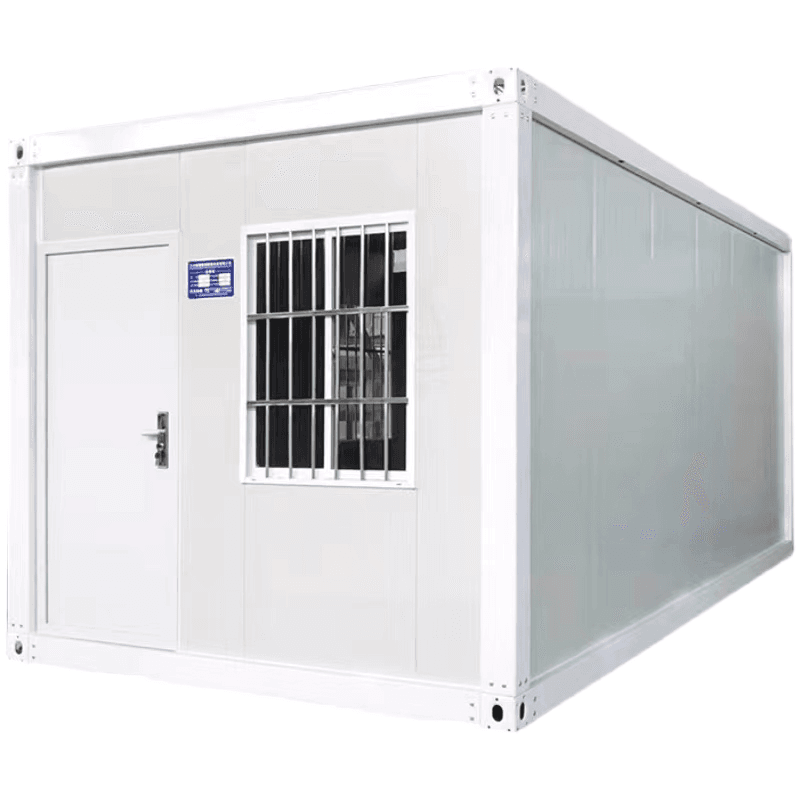
- Portable Container Toilets (with Showers): Constructed with a steel frame and weather-resistant composite sandwich panels, ensuring long-term durability outdoors. The size can be customized, integrating facilities such as a sink, shower, and high-capacity waste treatment system. It is also equipped with heavy-duty casters for easy movement to construction sites, event venues, or disaster areas, meeting the continuous hygiene needs of commercial or large-scale use.
III. Summary and Recommendations
- Standalone public toilets should be classified according to regional importance, with Class 1 toilet cubicles needing to meet higher area and size standards (such as a cubicle width of ≥1.00m and a depth of ≥1.50m).
- For temporary portable toilets, prioritize HDPE material (lightweight and durable) or container-type (comprehensive functions), and adjust the size and facilities according to the usage scenario (such as events or construction sites).
- For scenarios with special needs, configure accessible toilet cubicles and third toilets to ensure that independent cubicles and safety facilities meet the standards.



