
Quay lại blog
Bài viết
Portable Toilet Smart: A Practical Buyer's Guide
Quản trị 29 tháng 10, 2026
The practical buyer's guide for 'Portable Toilet Smart' should focus on its functions, design, usage scenarios, and purchasing strategies. Here is a detailed analysis:
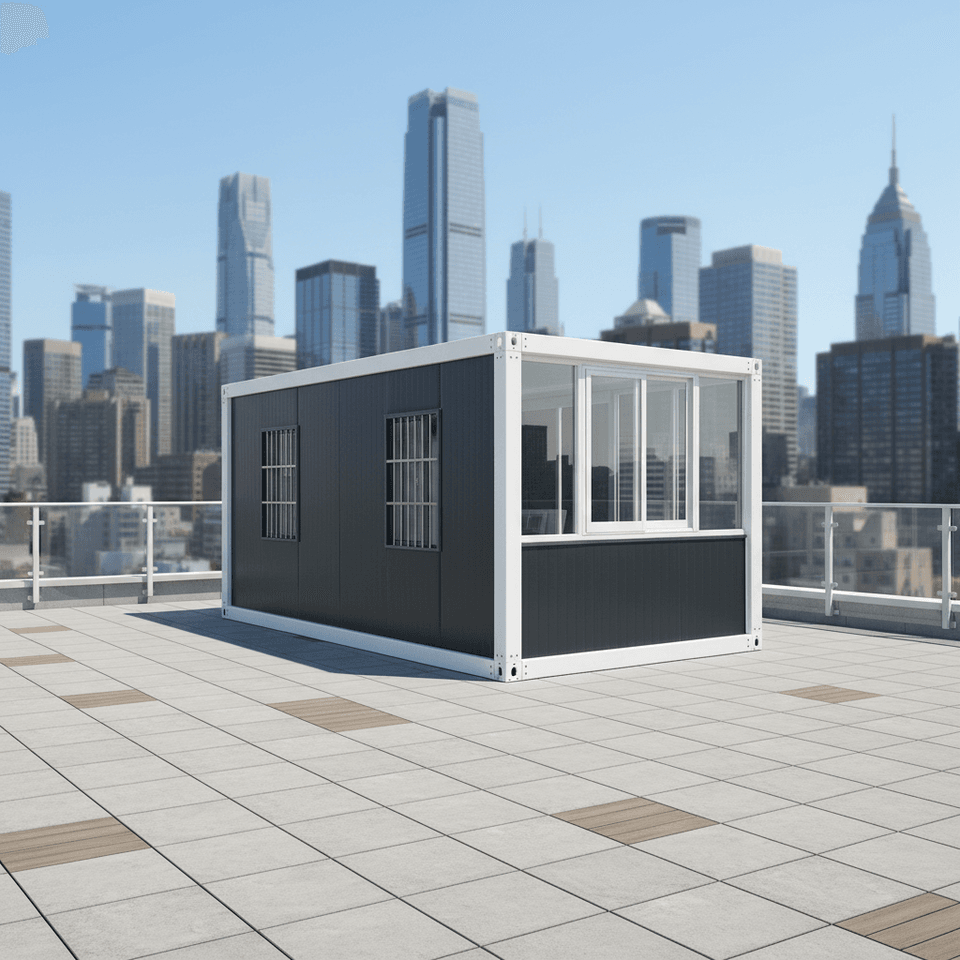
Core Functions and Technological Highlights
Efficient Hygiene Management
- Biological Digestion Technology: The built-in biological digester breaks down waste into harmless by-products (such as water and carbon dioxide), reducing odors and environmental pollution, making it suitable for scenarios with high environmental requirements.
- Automatic Flushing System: Sensor-driven flushing eliminates the need for manual operation, enhancing convenience, especially in high-frequency usage scenarios like outdoor events or construction sites.
Smart Health Monitoring
- User Identification and Behavior Analysis: The seat incorporates a triboelectric sensor array capable of identifying up to six users with an accuracy rate of 90%, and recording data such as sitting duration.
- Waste Analysis and Cloud Synchronization: Camera sensors combined with deep learning algorithms analyze urine composition and classify waste data, uploading it to the cloud in real-time. Users can view health indicators (such as user identity and waste analysis results) via mobile devices.
Sustainable Energy and Water Supply
- Solar Power: Integrated solar panels (102) ensure self-sufficiency in energy, suitable for areas without grid coverage.
- Independent Water Tank: Equipped with a water tank (101) to guarantee water supply, reducing reliance on external water sources.
Design Advantages and Practicality
Modularity and Portability
- The modular structure supports rapid transportation and assembly, catering to diverse needs such as campsites and urban environments.
- A sturdy frame (103) with dual-axle wheels (104) and a towing hook (105) facilitates transportation to remote areas.
Durability and Ventilation
- The steel container structure is wear-resistant and has a long lifespan, suitable for high-traffic usage scenarios (such as public events).
- Breathable design optimizes ventilation, reducing stuffiness and enhancing user comfort.
Safety and Certification
- Guardrails (108) ensure user safety, preventing accidental falls.
- Certified by CE and WaterMark, meeting international quality and safety standards, ensuring high reliability.
Applicable Scenarios and Demand Matching
Temporary and Semi-Permanent Needs
- Suitable for villas, container homes, hotels, and public bathrooms, providing flexible sanitation solutions.
- Preferred for temporary facilities in emergencies (such as natural disasters), outdoor events, or construction sites.
High-Traffic Environments
- Robust structure withstands outdoor conditions, maintaining structural integrity over long-term use.
Purchasing Recommendations
- Function Prioritization: Choose based on needs whether health monitoring, solar power, or biological digestion technology is required. For example, medical rescue scenarios require health monitoring functions, while remote areas rely more on solar power.
- Scenario Adaptability: Opt for modular design for frequently moved scenarios; focus on durable materials (such as steel containers) and certification standards (CE/WaterMark) for long-term use scenarios.
- Budget Consideration: Smart functions (such as health monitoring) may increase costs, requiring a balance between practicality and price. If only basic sanitation functions are needed, simplified models can be chosen to reduce costs.



