
Portable Toilet Rental for Temporary Use: What to Consider
When considering the rental of portable toilets for temporary use, it is essential to comprehensively evaluate the following key factors to ensure that the service meets your needs:
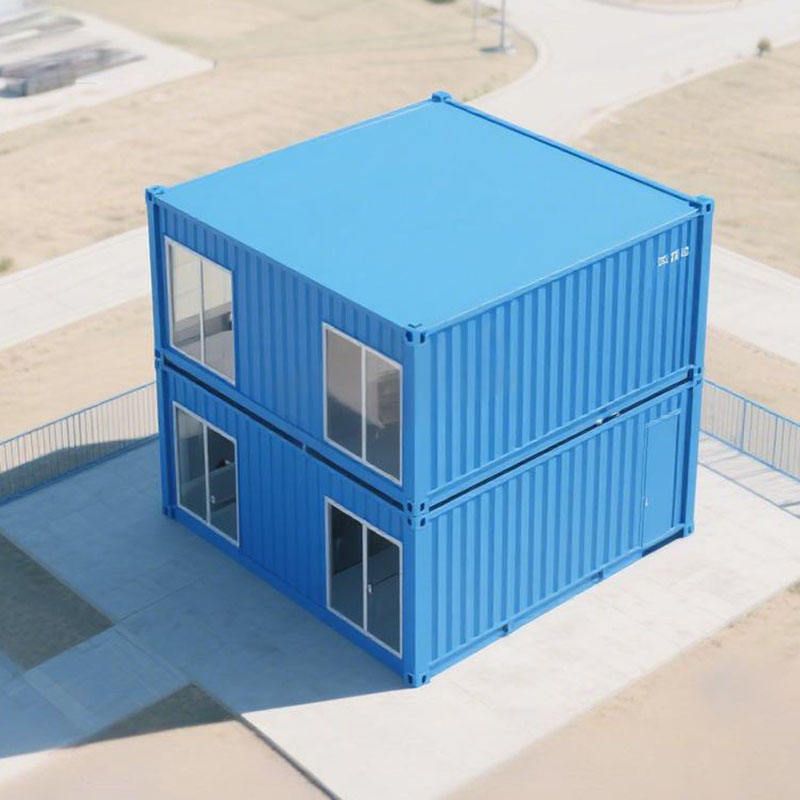
1. Unit Type and Quantity
Determine the number of portable toilets required based on the expected foot traffic and the nature of the event. For small gatherings (such as family reunions or small exhibitions), single-stall portable toilets can be selected due to their small footprint and flexible arrangement. For large events (such as music festivals or sports events) or construction sites, multi-stall combinations or trailer-mounted toilets are necessary to avoid long queues. It is important to estimate the number of users during peak hours in advance and plan according to the standard of providing one toilet stall for every 50-100 people to ensure a balance between supply and demand.
2. Accessibility Needs
If the event or venue needs to serve individuals with disabilities, it is necessary to rent accessible toilets that comply with the Americans with Disabilities Act (ADA) standards. These toilets typically feature wider door frames, handrails, non-slip floors, and low-level sinks, with some also equipped with emergency call devices. Failure to provide accessible facilities may result in legal risks and a decline in user experience, so it is important to clarify venue requirements before renting.
3. Hygiene and Maintenance Services
Choosing a supplier that provides regular cleaning and maintenance is crucial. During the rental period, the toilets need to be cleaned daily, replenished with consumables (such as toilet paper and hand soap), and inspected for equipment status. For long-term events (such as multi-day music festivals), it is recommended to clean the toilets every 4-6 hours to avoid odor buildup or equipment failure. The supplier's response speed and reserve equipment stock are also important evaluation points.
4. Additional Feature Configurations
Select additional features based on needs:
- Handwashing Stations: For outdoor events, it is recommended to configure independent handwashing stations or portable toilets with handwashing functions to improve hygiene levels;
- Waste Tank Capacity: For remote areas or venues without sewer systems, choose large-capacity waste tanks to reduce pumping frequency;
- Eco-Friendly Design: Water-saving toilets (such as vacuum flush systems) can reduce water consumption and are suitable for water-scarce areas or long-term use scenarios.
5. Delivery and Collection Efficiency
The supplier needs to provide flexible delivery time windows to ensure that the toilets are in place before use and collected promptly after the event. For large events, it is recommended to install the toilets 1-2 days in advance to allow for debugging time; for emergency rescue scenarios, the supplier needs to have a 24-hour rapid response capability.
6. Budget and Cost Transparency
Compare the quotation structures of different suppliers and clarify whether additional fees such as cleaning fees, pumping fees, and damage compensation are included. Beware of low-price traps, as some suppliers may attract customers with low prices but increase revenue through hidden fees. It is recommended to request a detailed quotation and confirm terms such as rental duration and overtime fees.
7. Site Adaptability
Adjust the plan according to site conditions: For construction sites, choose durable toilets with strong impact resistance; for wetlands or sloped sites, reinforce the foundation; for emergency rescue scenarios, choose lightweight and portable toilets. Communicate with the supplier in advance about site layout, power supply (if lighting or heating is required), and other details to avoid deployment issues.



