
Quay lại blog
Bài viết
Portable Toilet Rendering Buying Guide: Options & Tips
Quản trị 13 tháng 11, 2026
When purchasing a portable toilet, comprehensive decisions should be made based on usage scenarios, types, functions, and trends in 2026. The key points are as follows:
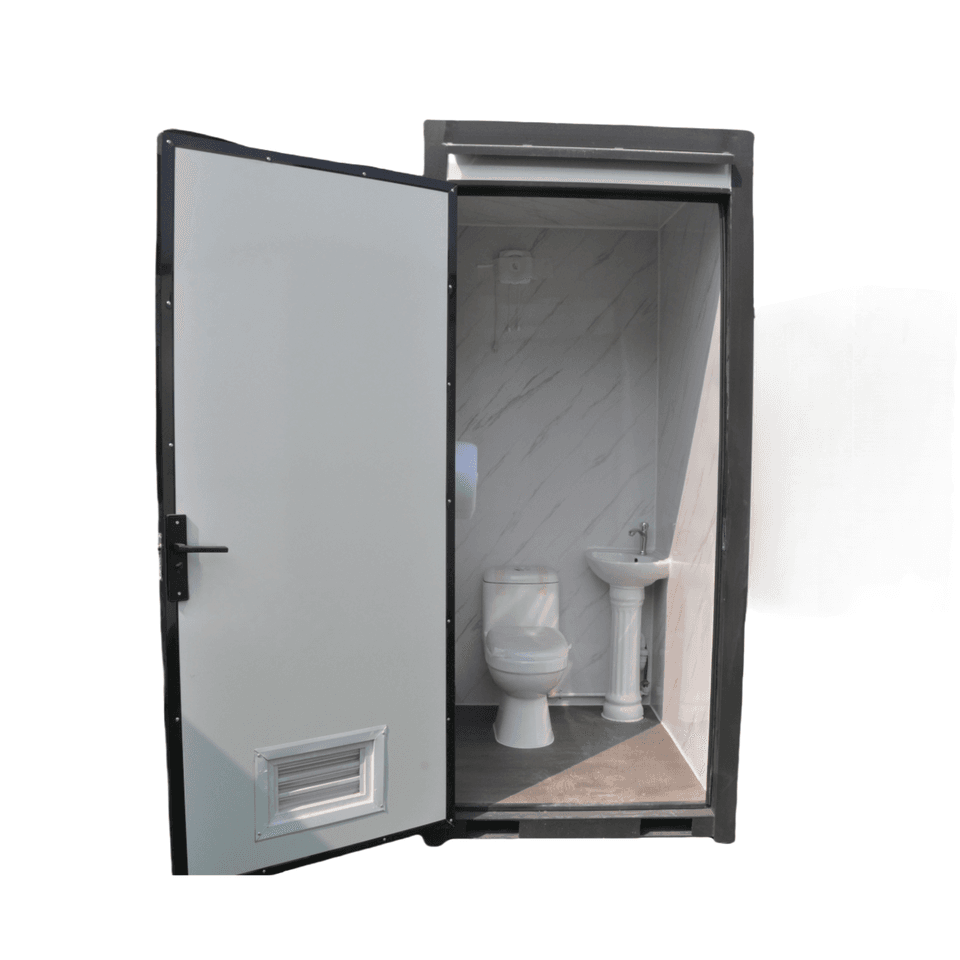
1. Clarify Usage Scenarios and Core Needs
- Scenario Adaptation:
- For outdoor activities (camping, hiking), a lightweight and foldable design is required (e.g., plastic material, which is 30% lighter than metal models);
- For long-term off-grid living (RVs, cabins), composting toilets are recommended, which decompose waste through microorganisms, reducing odors and being environmentally friendly;
- For public places (construction sites, music festivals), high-capacity and easy-to-maintain flush toilets or composite-structure toilets are needed.
- Key Needs:
- Portability: Prioritize modular or foldable designs for easy transportation and storage;
- Disposal Method: Choose dry-packing models for water-scarce environments, composting models for environmental protection needs (a mainstream trend in 2026), and flush toilets for places with infrastructure;
- Capacity: Select the size of the waste storage tank based on the number of users, and composting toilets require regular cleaning of decomposed materials.
2. Type and Material Selection
- Structural Types:
- Single-unit models are suitable for individuals or small teams, while composite models are suitable for large events;
- Powered/trailer-mounted models can be connected to vehicles for mobility, suitable for touring events.
- Material Differences:
- Plastic toilets are lightweight and corrosion-resistant, suitable for outdoor travel;
- Color-steel/fiberglass-reinforced plastic toilets are durable and suitable for high-traffic public places.
3. Key Functions and Advantages
- Environmental Protection: Composting toilets comply with global environmental standards (e.g., EU EPR certification), and dry-packing models save water resources;
- User Experience: Ergonomic seats, non-slip floors, and ventilation systems (composting toilets control odors through exhaust vents) enhance comfort;
- Convenience: Modular designs allow for quick deployment, and smooth interiors and detachable waste storage tanks simplify cleaning processes.
4. Purchasing Trends in 2026
- Popularization of Composting Toilets: Driven by outdoor living trends and regulations, they will become standard equipment for long-term off-grid scenarios;
- Technological Upgrades: Smart monitoring systems (full-level alerts, decomposition progress tracking) and lightweight materials (high-strength plastics) will be gradually applied.
5. Practical Suggestions
- Budget Allocation: Basic models (plastic folding toilets) range from $50 to $150, while high-end models (composting toilets) range from $300 to $1000+;
- Brands and Certifications: Choose products certified by environmental standards such as German EPR and French NF, and refer to user reviews to prioritize brands with comprehensive after-sales support;
- Maintenance Tools: Equip with biodegradable bags (for composting toilets) and disinfectant sprays (for flush toilets) to extend service life.
Summary: In 2026, purchasing decisions should balance portability, environmental protection, and user experience. For outdoor scenarios, prioritize composting or folding plastic models; for public places, choose composite-structure flush toilets. Smart and lightweight designs are the future direction.



