
Quay lại blog
Bài viết
Portable Toilet Quality Buying Guide: Options & Tips
Quản trị 16 tháng 11, 2026
When purchasing a portable toilet, a comprehensive decision should be made based on the usage scenario, functional requirements, and user characteristics, with a focus on product type adaptability, core performance parameters, and additional features.
1. Clarify Usage Scenarios and Product Types
- Outdoor Scenarios (camping, hiking, vehicle-mounted):
Opt for portable folding toilets, such as the Sckee Camping Toilet or Drive Medical Folding Steel models. These products emphasize lightweight design (some weighing less than 5kg) and compact dimensions when folded (e.g., the VINGLI model), making them easy to carry. Attention should be paid to waterproofing, leak-proof design (e.g., equipped with Leak-Proof Bags), and odor control technology (e.g., Urine Gel) to adapt to wilderness environments. - Temporary Venues (construction sites, events, exhibitions):
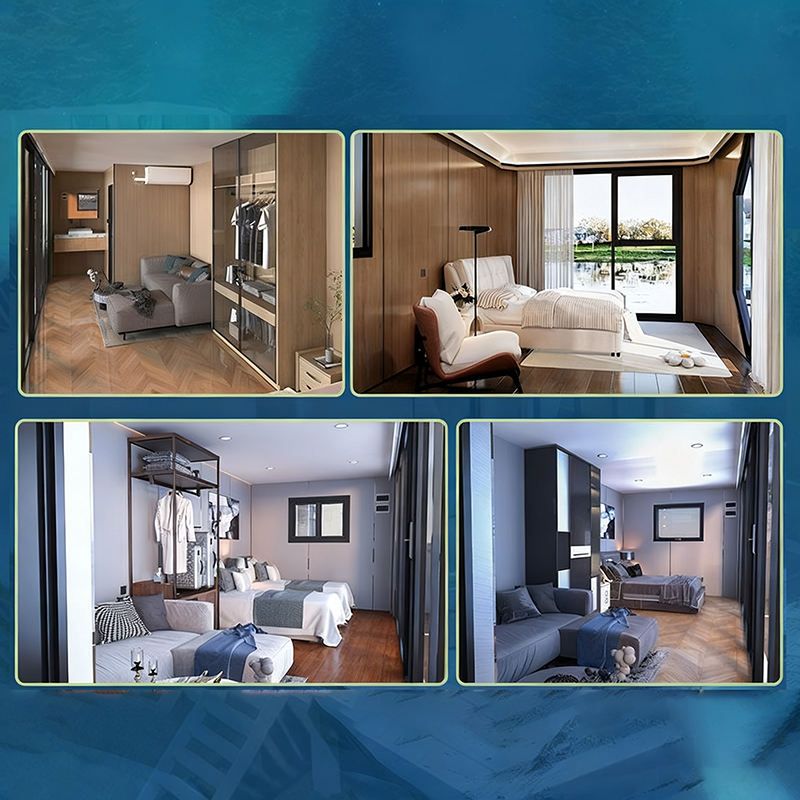
Modular container toilets are more suitable, such as the Marble-look Floor model from Linyi Lebon. Their advantages include quick installation, large-capacity waste tanks (supporting high-traffic usage), and bulk export services (e.g., FOB Qingdao Port terms), making them ideal for short-term, high-intensity demand scenarios. - Home Care (elderly, pregnant women, post-surgery individuals):
Choose home-use mobile toilets designed with a focus on stability (e.g., wide, anti-slip bases), antibacterial properties (ABS engineering resin or ceramic coatings), and ergonomics (seat height of 40-45 cm, equipped with armrests/backrests). Double-layer sealing structures effectively prevent odor leakage, enhancing user comfort.
2. Screen Core Performance Parameters
- Functional Adaptability:
Outdoor products should be verified for waterproof ratings (e.g., IPX4 or higher) and leak-proof technology; home products should be checked for surface ease of cleaning (smooth materials reduce stain retention) and antibacterial certification (e.g., coatings passing SGS testing). - Safety and Comfort:
Weight capacity should match the user's weight (e.g., some products support over 400 pounds); seat width and internal space should conform to ergonomic principles to avoid fatigue from prolonged sitting; anti-slip bases or suction cup designs reduce the risk of tipping. - Portability and Installation:
For folding models, measure folded dimensions (e.g., whether length, width, and height are less than 50cm) and weight; for modular products, confirm installation tool requirements and supporting services (e.g., whether on-site assembly guidance is provided).
3. Additional Features and Long-Term Costs
- Accessory Expandability:
For camping models, prioritize those supporting detachable toilet paper holders or phone stands to enhance practicality; for home models, check if they come with spare sealing bags or cleaning brushes. - Water Conservation and Environmental Protection:
Smart water-saving models (e.g., single flush volume ≤ 3L) reduce water consumption, making them more economical for long-term use; eco-friendly materials (e.g., biodegradable waste bags) align with sustainability principles. - After-Sales Service:
Choose brands offering 24/7 technical support and extended warranties (e.g., over 2 years) to reduce long-term maintenance costs; for export-oriented products, confirm global warranty policies (e.g., Linyi Lebon's commitment).
Purchase Recommendations: Combine specific needs (e.g., usage frequency, user group, environment) with product reviews (e.g., sales volume, user ratings), and prioritize models certified by ISO or CE to ensure safety and performance standards are met.



