
Movable Portable Toilet
A movable portable toilet, commonly known as a portable toilet, is a facility that can be moved as a whole to provide temporary toilet services to the public or customers.
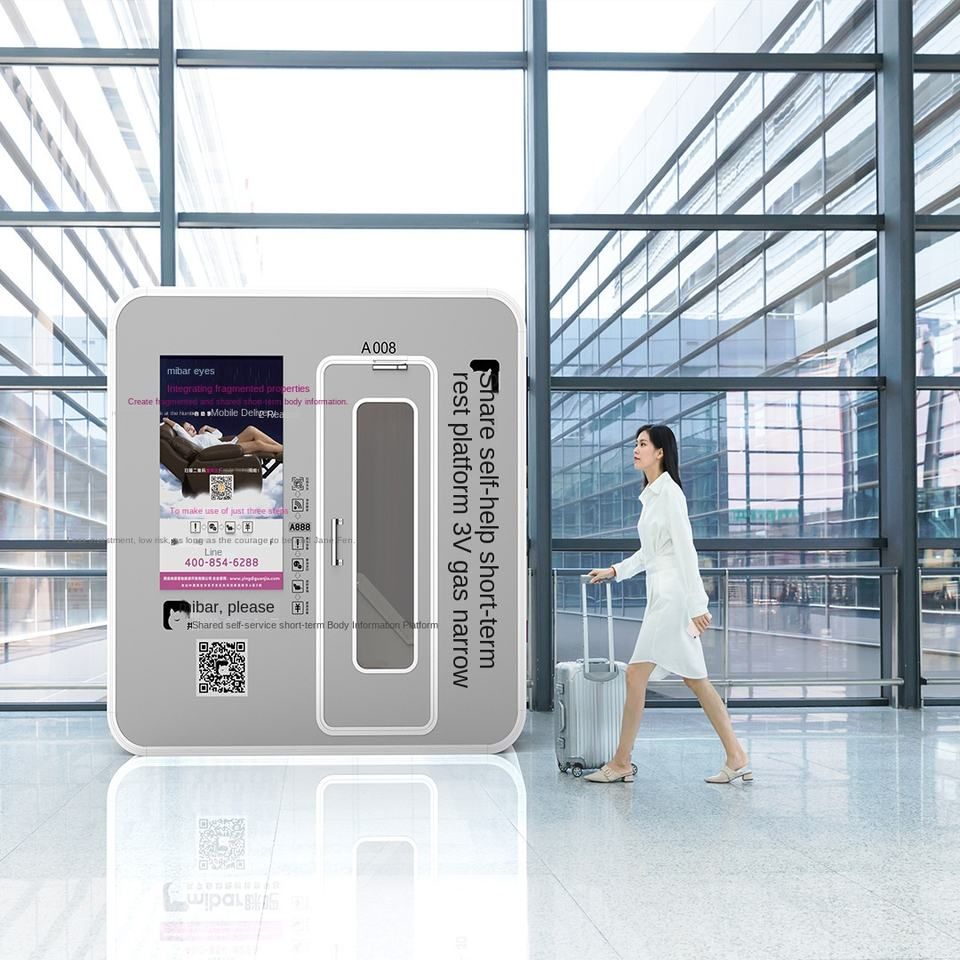
Typical Features of Portable Toilets
The core advantage of portable toilets lies in their mobility, enabling rapid deployment at fixed or temporary locations as needed, such as large event venues, construction sites, and tourist attractions. Their design typically balances functionality and durability. For example, the grille-style standalone portable toilet produced by Dezhou Hongtu Metal Products Co., Ltd. features a galvanized steel frame structure, high-density exterior wall panels, sun and rain protection, and an interior that can be fully renovated to meet both toilet and shower needs. Another type of standalone portable toilet adopts a modular design, allowing for the configuration of either a toilet or a squat pan based on customer requirements, making it suitable for short-term, high-frequency use scenarios.
Structural Components of Portable Toilets
The construction of portable toilets must meet basic sanitary requirements and typically includes the following core components:
- Fecal Treatment System: This includes storage tanks or disposal units, with some models equipped with waterless flush suction, recirculating flush, or dry-packing technologies to adapt to different environmental conditions.
- Main Frame: Constructed from galvanized steel or lightweight alloy materials to ensure structural stability and ease of transportation.
- Walls and Roof: High-density exterior wall panels (such as color-coated steel or fiberglass-reinforced plastic) provide thermal insulation and rain protection, while the roof design must consider drainage and ventilation.
- Interior Facilities: Fully renovated configurations include sanitary fixtures (toilet/squat pan), washing equipment, water tanks, and lighting systems, with some high-end models also equipped with air conditioning or deodorization devices.
- Mobility Devices: Depending on the transportation method, these can be classified as lifting-type, towing-type, or manually transported types, with powered portable toilets even capable of self-propulsion to designated locations.
Classification Methods for Portable Toilets
Portable toilets can be classified into the following types based on their structure, mobility, and sewage treatment technology:
- By Structural Form: Single-unit structures (standalone units) and composite structures (multi-unit combinations).
- By Mobility Method: Lifting-type (requiring lifting equipment), towing-type (connectable to vehicles for transportation), powered-type (with built-in drive systems), and handling-type (transported manually or with small machinery).
- By Sewage Treatment Method: Water-flush type (requiring a water connection), waterless flush suction type (relying on vacuum sewage trucks for cleanup), recirculating flush type (purifying and reusing wastewater), and dry-packing type (collecting feces in biodegradable bags without the need for flushing).
The flexibility of portable toilets makes them an important component of modern urban emergency services and temporary facilities, with their technological evolution continuously focusing on balancing environmental protection and user experience.



