
Quay lại blog
Bài viết
Portable Toilet Model: The Complete Buying Guide
Quản trị 13 tháng 11, 2026
The complete buying guide for portable toilets requires comprehensive consideration from four aspects: product types, purchasing factors, market trends, and recommended products. Here is a detailed analysis:
I. Product Types and Core Functions
- Folding Portable Toilets: Suitable for outdoor camping, travel, emergencies, and areas without plumbing (such as vehicles or home storage rooms). Their core functions include a compact folding design (can be reduced to half the volume of rigid models), lightweight and durable plastic materials (30% lighter than metal models and corrosion-resistant), and integrated seats, lids, and toilet paper holders to enhance convenience.
- Portable Composting Toilets: Targeted at RV living, off-grid homes, and users with high environmental demands (such as the #VanLife or tiny house movement). Their core functions include sustainable sanitation solutions (compliant with German and French EPR environmental certifications), support for rapid deployment, and waste classification to meet health needs (such as for chronic patients requiring constant toilet access) while reducing ecological footprints.
II. Key Purchasing Factors
- Material and Durability: Prioritize corrosion-resistant plastic materials that balance lightweight and long-term use needs; composting toilets should focus on environmental certifications (such as EPR standards) to ensure materials are recyclable or biodegradable.
- Portability and Storage: Folding toilets are suitable for space-limited scenarios (such as vehicle trunks or home closets); composting toilets should be evaluated for volume and weight to ensure they meet mobility needs (such as for RVs or hiking).
- Multi-User Adaptability: Ergonomic seat designs should accommodate both adults and children, enhancing adaptability for outdoor activities.
- Functional Extensibility: Integrated accessories (such as toilet paper holders and sealing locks) can enhance practicality; composting toilets should focus on odor control and waste processing efficiency to meet both health and environmental standards.
III. Market Trends for 2026
- Drivers of Demand Growth: The popularity of outdoor activities (such as camping and RV travel) and the rise of off-grid lifestyles; changes in global travel habits and tighter environmental regulations are driving composting toilets from niche choices to mainstream equipment; increased disaster preparedness awareness (such as extreme weather events) is boosting demand for household emergency reserves.
- Shifts in Consumer Preferences: Sustainability, simplicity, and health have become core demands, with buyers preferring products with low waste footprints and easy maintenance; retailers and wholesalers are responding to diverse needs through regional product innovations (such as insulated designs for cold climates).
IV. Recommended Product Examples
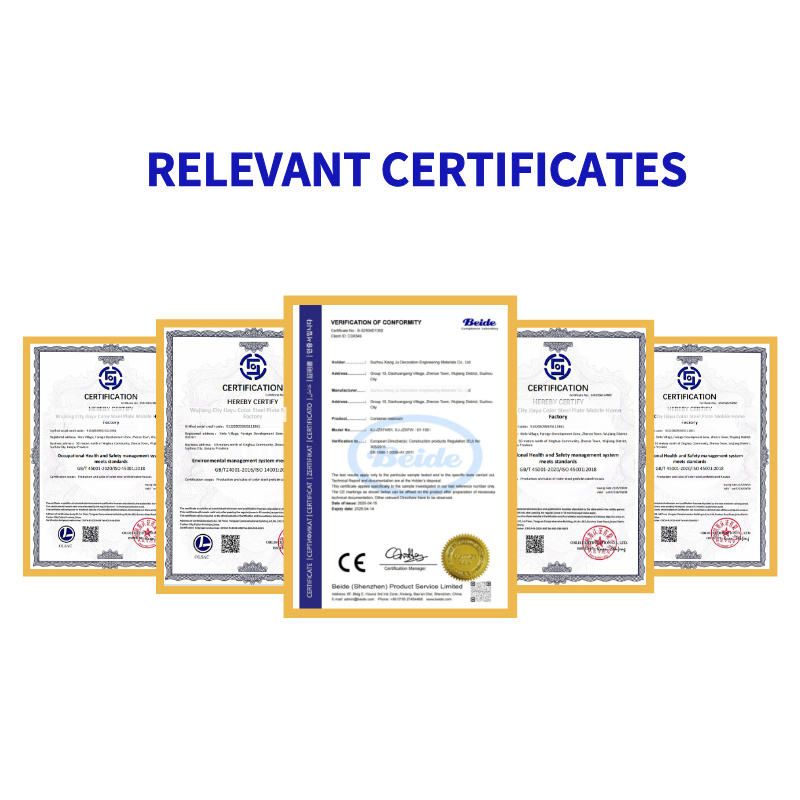
- JS-MT Folding Portable Toilet: 30% lighter than metal models, saves 50% space when folded, and is EPR-certified, suitable for home users, camping enthusiasts, and emergency reserve needs.
- Camco Standard Camping Toilet: 5.3-gallon capacity, equipped with a manual flush system and sealing lock to prevent odors, suitable for RV users and long-term outdoor activities.
- Reliance Hassock Portable Toilet: Features an ergonomic seat, self-contained design, and lightweight construction, suitable for users prioritizing comfort and portability.
V. Purchasing Advice Clarify usage scenarios (frequency and number of users), verify certification standards (prioritize EPR certification), and evaluate additional features (such as toilet paper holders or odor control) to efficiently filter products that meet your needs.



