
Quay lại blog
Bài viết
Portable Toilet For Sale in 2026: Buying Guide & Recommendations
Quản trị 30 tháng 10, 2026
The selection of portable toilets in 2026 requires a comprehensive decision-making process that combines scenario requirements, functional performance, and cost considerations. The core types include standalone and towable models, with composting technology emerging as the mainstream development direction.
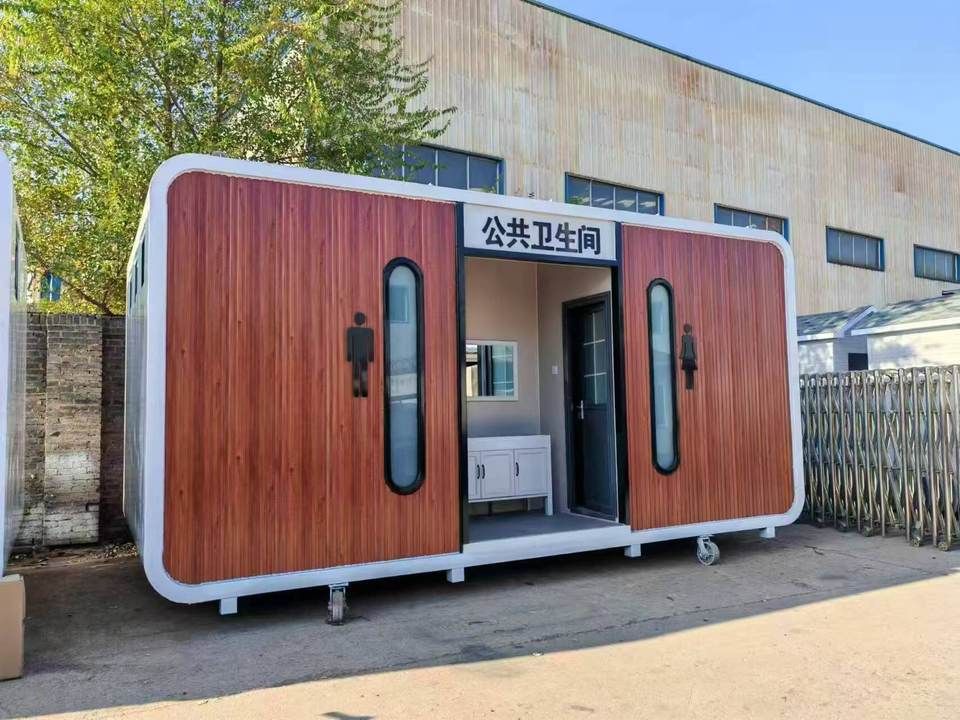
I. Market Trends and Demand Drivers
The portable toilet market in 2026 is experiencing rapid growth, primarily driven by four key factors:
- Expansion of User Groups: The surge in RV travel, camping, and environmentally conscious homeowners is driving demand from professional scenarios to personal leisure.
- Policy and Cultural Drivers: Responsible waste management regulations, new rules for music festivals/camping, and heightened climate awareness are making composting toilets the mainstream choice.
- Diversification of Scenarios: Increased demand for road trips, boating, off-grid cabins, and family emergency preparedness is upgrading products from alternatives to standard equipment.
- Health and Disaster Preparedness: Growing needs from chronic patients, upgraded remote work cabins, and enhanced disaster preparedness awareness following extreme weather events.
II. Product Classification and Core Types
- Standalone Mobile Toilets
- Features: Compact, low maintenance, and support rapid deployment, suitable for temporary or high-frequency use scenarios.
- Representative Product: Model YWPT-029 (from Chengdu Yuwen Company, China), equipped with squat/sit toilets, a sink, an exhaust fan, and lighting, certified by ISO and CE, with a 3-year warranty.
- Towable Mobile Toilets
- Features: Offer upgraded facilities similar to indoor restrooms, providing higher comfort levels, suitable for premium demands.
- Application Scenarios: Large-scale events, high-end camping, and disaster relief areas.
III. Key Considerations for Purchase
- Demand Matching
- Personal/Leisure Use: Prioritize composting toilets, focusing on odor control and rapid processing capabilities.
- Commercial/Professional Scenarios: Choose standalone or towable models based on customer traffic, balancing cost and durability.
- Functionality and Performance
- Environmental Friendliness: Composting toilets must meet sustainable standards to reduce waste footprints.
- Hygiene and Comfort: Features like sinks and exhaust fans enhance the user experience.
- Maintenance Convenience: Modular designs (e.g., screw assembly) facilitate cleaning and repairs.
- Cost and Supply Chain
- Standalone toilets cost approximately $360-380 each (minimum order of 10 units), available for direct purchase through platforms like Alibaba, supporting local warehousing and 48-hour shipping.
IV. Recommended Scenarios and Products
- Large-Scale Events/Weddings: YWPT-029 standalone toilets, supporting high customer traffic and rapid deployment.
- Family Emergency/Off-Grid Living: Composting toilets are preferred due to their water independence and environmental friendliness.
- High-End Camping/RV Travel: Towable toilets provide an indoor restroom experience.



