
Quay lại blog
Bài viết
Philippine Container House
Quản trị 14 tháng 9, 2026
The Philippine container house is a type of housing constructed by modifying shipping containers or imitating container structures. It features mobility, modularity, and relatively low cost, with various application scenarios in the Philippines.
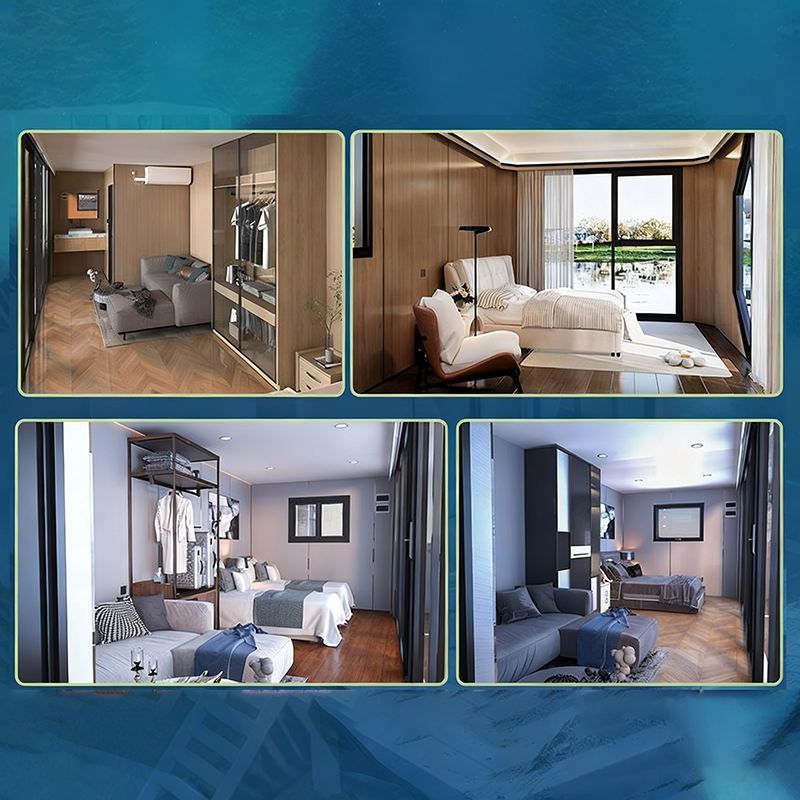
Types and Construction Methods
- Directly Modified Type: Made directly from shipping containers, it utilizes their sturdy frame structures. Through cutting, welding, and other methods, the internal space is replanned, and doors, windows, and utilities are installed to meet residential or office needs.
- Imitation Container Structure Type: In the production factory, through structural design, the top and bottom are made according to the size of the container. High-quality load-bearing columns are used to connect the top and bottom to form a frame, and then color-steel sandwich panels are used as walls for combination. This construction method allows for more flexible design of the house layout and appearance.
Application Scenarios in the Philippines
- Residential Use: In some areas, container houses are used as temporary or long-term residences. For example, in disaster-stricken areas, they can serve as shelters, providing emergency living space for affected people. In densely populated areas with housing shortages, they can also be an economical housing option.
- Commercial Use: They can be used as offices, shops, cafes, and other commercial venues. For instance, the Hualien Starbucks cafe is the first container cafe in Asia, designed by the renowned Japanese architect Kengo Kuma. It features an interesting arrangement of stacked containers. They are also used as camp rooms and storage rooms.
- Tourism Use: In tourist attractions, container houses can create a unique vacation experience. For example, the Quadrum Hotel in northern Georgia is entirely built with containers, adopting a pyramid-shaped design that blends with the natural scenery. The X2 Resort on the River Kwai in Thailand uses simple and bright containers, allowing each room to enjoy a pastoral view.
Cost and Advantages
- Cost: Compared to traditional buildings, the construction cost of container houses is lower. For example, in the Villa Mola project in Bali, excluding the costs of land, swimming pool, and furniture, the cost of building a 120-square-meter container villa is $74,000, approximately 500,000 yuan.
- Advantages: They are mobile, facilitating relocation and reassembly according to needs. The construction speed is fast, shortening the construction cycle. They have a sturdy structure and certain earthquake and wind resistance capabilities.



