
Park Mobile Pay Toilet
There is currently no publicly available unified information on the specific charging standards for park mobile pay toilets. Their pricing is usually comprehensively determined by the operators based on factors such as costs and regional consumption levels.
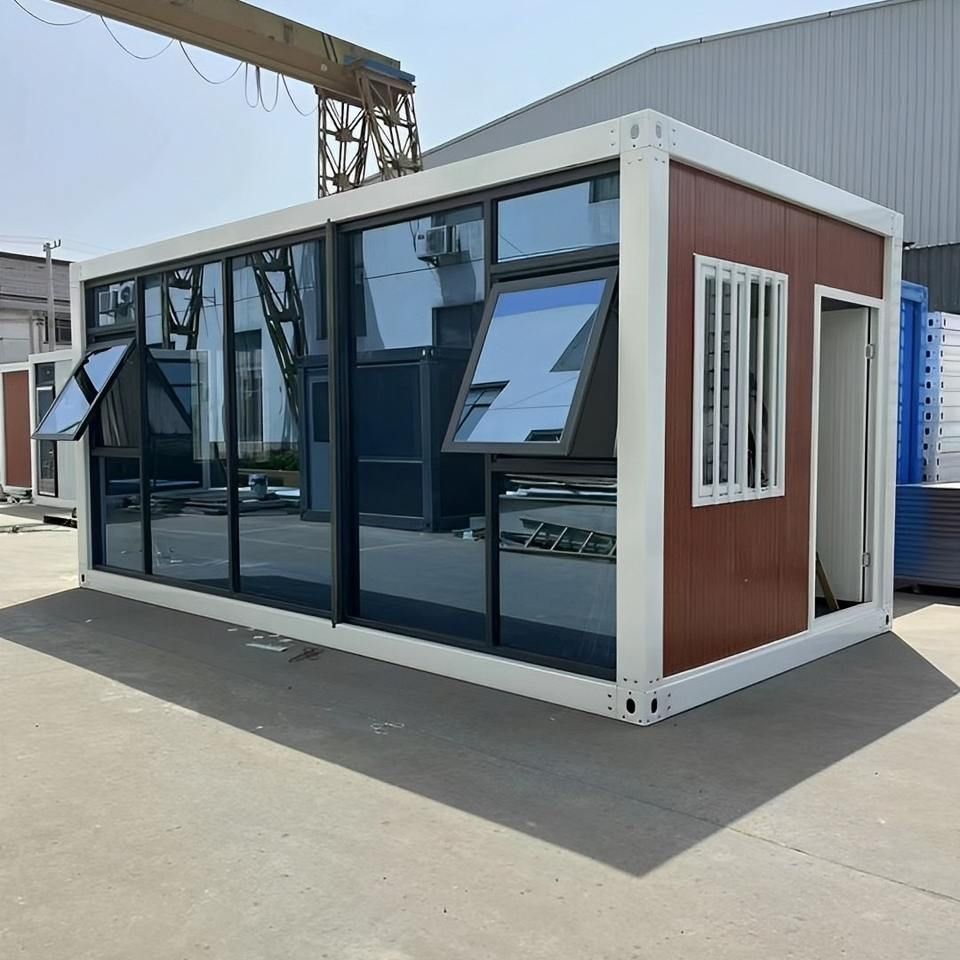
Core Functions and Design Features of Mobile Toilets
Park mobile toilets are not simple temporary facilities; they are interdisciplinary products that integrate structural engineering, environmental protection treatment, water supply and drainage design, and intelligent management. Their core functions include:
- Addressing the lack of coverage of fixed toilets: In remote areas of parks or areas with high foot traffic where it is difficult to lay pipelines, mobile toilets can be flexibly deployed to alleviate the problem of finding a toilet.
- Coping with peak foot traffic: Through modular design, additional toilet stalls can be quickly added to meet sudden demands during holidays or events.
- Suitable for areas without pipelines: Using technologies such as dry packing and microbial degradation, they do not rely on traditional water supply and drainage systems, reducing construction costs.
Classification and Applicable Scenarios of Mobile Toilets
According to their structure, mobility method, and sewage treatment technology, mobile toilets can be classified into the following types:
- By structural form:
- Single-unit structure: An independent unit suitable for limited-space or temporary scenarios.
- Composite structure: A combination of multiple toilet stalls suitable for long-term fixed use.
- By mobility method:
- Hoisting/handling type: Relies on mechanical handling and is suitable for low-frequency mobility scenarios.
- Powered/trailer type: Has its own power or can be towed, offering high flexibility and suitable for巡回 (it seems you want to express 'round-the-clock' or 'itinerant' use, here I use 'itinerant') itinerant use.
- By sewage treatment method:
- Water-flush type: Relies on a water source and treats sewage through a septic tank or municipal sewage network, offering high cleanliness but at a higher cost.
- Waterless suction type: Uses a vacuum pump to suction feces, suitable for water-scarce areas but requiring regular removal and transportation.
- Recirculating water-flush type: Recirculates water through a filtration system to reduce water consumption.
- Dry packing type: Uses degradable bags to collect feces, requiring no water source and suitable for extreme environments.
- Microbial degradation type: Uses microorganisms to decompose feces, achieving harmless treatment and highlighting environmental protection.
Suppliers and Product Selection in Shandong
In the field of park mobile toilet supply in Shandong, Dezhou Muda Machinery Equipment Co., Ltd. is a representative manufacturer. Its product line covers various types such as water-flush, packing, microbial degradation, and foam-sealing toilets, meeting the needs of different scenarios. For example, water-flush toilets are suitable for areas with sufficient water sources, while microbial degradation toilets are suitable for ecologically sensitive areas.
Factors Influencing Charging Standards
The charging for mobile toilets is usually set by the operators and needs to consider the following factors:
- Construction and maintenance costs: Including equipment procurement, sewage treatment, regular removal and transportation, and labor management costs.
- Regional consumption level: Pricing may be higher in first-tier cities or popular tourist attractions to cover operating costs.
- Usage frequency and time period: During peak hours or for long-term use, a combination of monthly and per-use charging models may be adopted.
Currently, no specific charging standards are mentioned in public information. It is recommended to contact the local park management or suppliers for detailed quotes.



