
Panzhihua Microbial Mobile Toilet
The Panzhihua microbial mobile toilet is an environmentally friendly public toilet that utilizes effective microorganisms to completely degrade feces into a mixture of water and gas within 4 to 8 hours, and uses this mixture to flush the feces. It is also known as an advanced 'dry toilet'.
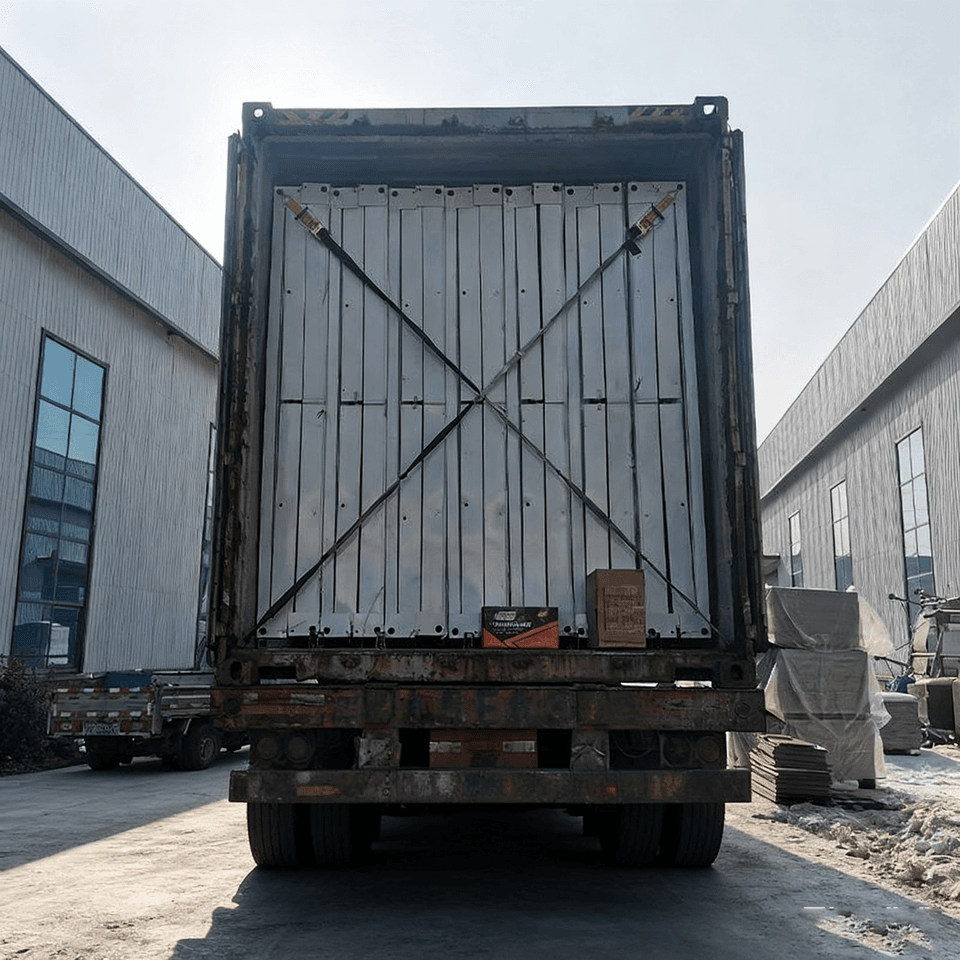
Working Principle:
The core of the microbial mobile toilet lies in its biodegradation technology. By adding specific microbial communities, microorganisms can rapidly decompose organic matter in feces, converting it into harmless substances such as water and carbon dioxide. This process does not rely on traditional water flushing systems, requiring only a small amount of water for auxiliary flushing, significantly reducing water consumption. The degraded products can be directly discharged or used for greening irrigation, achieving harmless treatment and resource utilization of feces.
Environmental Standards and Compliance:
To ensure environmental safety, microbial mobile toilets must strictly adhere to multiple national mandatory standards:
- Sewage Discharge: Must comply with GB 8978-1996 'Integrated Wastewater Discharge Standard' and GB 18918-2002 'Discharge Standard of Pollutants for Municipal Wastewater Treatment Plants' to ensure that the discharged water quality meets standards.
- Odor Control: According to GB 14554-1993 'Emission Standard for Odor Pollutants', technologies such as biofilters or activated carbon adsorption are used to effectively reduce odor diffusion.
- Fecal Harmless Treatment: In accordance with GB 7959-2012 'Hygienic Requirements for Harmless Treatment of Feces', pathogens and parasite eggs must be thoroughly killed to avoid secondary pollution.
- Non-sewer System: Complies with HJ 1160-2021 'Technical Requirements for Environmental Labeling Products - Non-sewer Sanitation Systems', suitable for areas without municipal sewer networks, such as scenic spots and construction sites.
Application Advantages:
This technology breaks away from the dependence of traditional public toilets on water sources and sewer systems, offering advantages such as water conservation, energy efficiency, and pollution-free operation. Its modular design facilitates rapid deployment and mobility, making it particularly suitable for areas with scarce water resources or ecologically sensitive regions. Additionally, the microbial degradation process does not involve chemical additives, avoiding potential leakage and odor issues associated with traditional septic tanks, significantly improving public health standards.



