
Quay lại blog
Bài viết
Types of Outdoor Portable Toilets
Quản trị 02 tháng 10, 2026
Outdoor portable toilets can be classified into the following types based on different criteria:
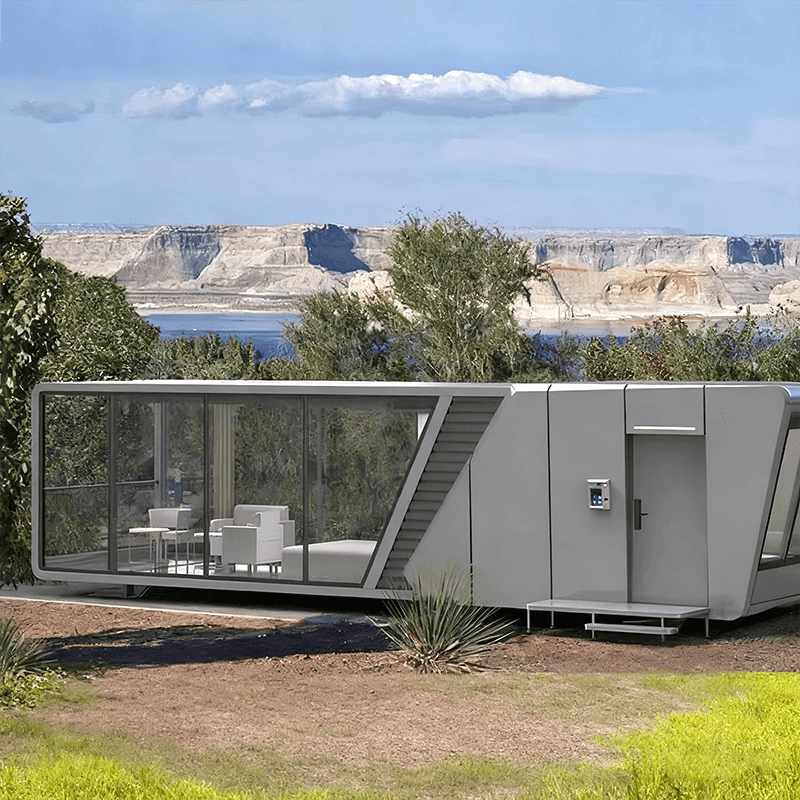
Classification by Material
- Plastic Toilets: Primarily made of plastic, these toilets are lightweight and cost-effective, suitable for temporary sites like construction areas. Their simple structure allows for quick installation and disassembly, but they are relatively less durable and may be affected by UV aging when exposed to the outdoors for extended periods.
- Color-Steel Toilets: These toilets use color-steel plates as the main structure, offering thermal and sound insulation properties. They are commonly found in public areas such as parks and streets. Color-steel materials are strong, effectively withstanding wind and rain erosion, and can be designed in various colors to blend with the surrounding environment.
- Fiberglass Toilets: Manufactured through integral molding processes, these toilets are highly impact-resistant and suitable for extreme environments like disaster relief operations. Fiberglass materials are corrosion-resistant and easy to clean, but they are heavy and require mechanical equipment for movement.
- Tent-Style Toilets: Composed of tent fabric and supports, these toilets are easy to assemble and disassemble, ideal for temporary events like music festivals and exhibitions. Their main advantage is high flexibility, allowing for quick position adjustments based on needs, but they have relatively weak thermal insulation and wind resistance.
Classification by Mobility Method
- Lifting-Type Toilets: These toilets require cranes for transportation and are suitable for long-term use at fixed locations like construction sites. They have a stable structure but high moving costs, necessitating prior planning of lifting paths.
- Trailer-Type Toilets: Equipped with wheels at the bottom, these toilets can be towed by vehicles and are suitable for large-scale events like music festivals and sports competitions. Trailer-type toilets can be quickly deployed and adjusted according to crowd distribution, but sufficient towing space must be reserved.
Classification by Sewage Treatment Method
- Waterless Packing-Type Toilets: These toilets use biodegradable bags to collect waste, requiring no water source, and are suitable for camping in water-scarce areas like deserts and plateaus. They are environmentally friendly and pollution-free but require regular bag replacements and have limited capacity.
- Traditional Water-Flush Toilets: These toilets need to be connected to sewage pipes and rely on a water supply, commonly found in scenic spots and service areas with well-established infrastructure. They offer high cleanliness but have high installation costs and are limited by water availability.
- Foam-Sealing Toilets: These toilets suppress odor diffusion by squeezing foam over the waste surface, saving water and being environmentally friendly. They are often used in scenic spots and parks with high environmental requirements. They have low operating costs but require regular foam liquid replenishment.
- Microbial Degradation Toilets: These toilets use microorganisms to decompose waste, ultimately converting it into organic fertilizer, commonly found in ecological parks and farms. They offer the best environmental performance but have a long degradation cycle and require temperature and humidity control to maintain microbial activity.
Special Scene Designs
To meet different usage needs, outdoor portable toilets have also evolved into various functional designs. For example, scenic spot toilets are equipped with sinks and disguised as small log cabins, construction site toilets use iron sheet houses with straight discharge pipes, temporary event toilets for air shows are equipped with LED lights and can be set up within one hour, and toilets for traveling with the elderly can be chosen with barrier-free markings and armrest-equipped toilets.



