
Outdoor Portable Toilet
An outdoor portable toilet is a facility that can be moved as a whole and provides toilet services to the public. It is suitable for various places and has multiple classifications and advantages.
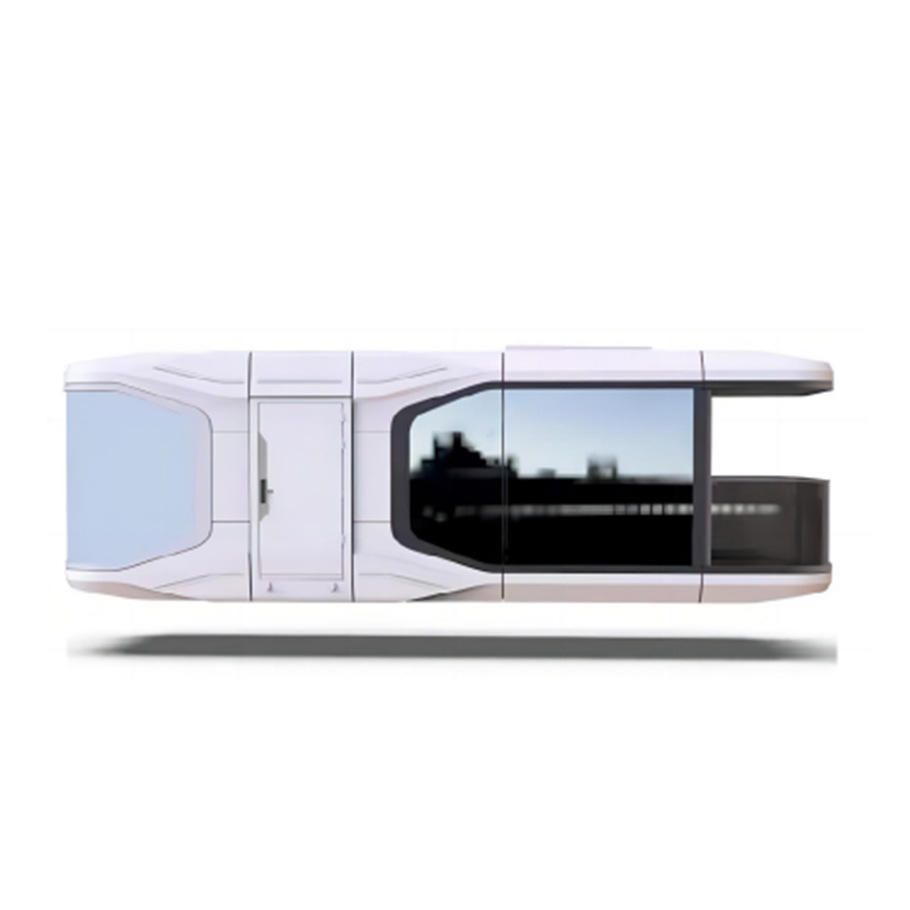
Suitable Places
Outdoor portable toilets are suitable for stations, docks, tourist attractions, villa areas, newly-built residential communities, large construction sites, squares, densely populated public places, and bustling commercial streets. These places have a large flow of people, and the demand for toilet facilities can be temporary or fixed. Portable toilets can well meet these needs.
Composition Structure
Generally, they are composed of fecal sewage storage tanks (or fecal sewage treatment devices), floor slabs, sanitary ware, walls, washing equipment, water tanks, roofs, and mobile devices. Different components work together to ensure the normal use and hygiene of the toilet.
Material Development
Initially, they were made of wood, with a simple structure and function, and were prone to absorbing odors. Later, they gradually developed to use materials such as fiberglass and polyethylene, which have better durability, odor resistance, and ease of cleaning.
Classification Methods
- By structural form: They can be divided into single-structure mobile toilets and composite-structure mobile toilets. The single-structure is relatively simple and independent, while the composite-structure is more complex and may contain multiple functional areas.
- By moving method: They are classified into hoisting and handling mobile toilets, and powered and towed mobile toilets. Hoisting and handling types are suitable for short-distance movement, while powered and towed types can achieve long-distance movement.
- By sewage treatment method: They are divided into water-flushing and non-water-flushing suction mobile toilets, circulating water-flushing mobile toilets, and dry-packing mobile toilets. Different treatment methods are suitable for different environments and conditions. For example, water-flushing types are suitable for places with a water source, while dry-packing types do not require a water source and are more suitable for water-scarce areas.
Design Principles
The design should follow the principles of being mobile and convenient, economical and durable; environmentally friendly and beneficial to the environment; improving efficiency and promoting humanity. Ensure that the mobile toilet is not only convenient to move and use but also reduces its impact on the environment, while improving usage efficiency and ensuring a comfortable experience for users.



