
Orchard Container House
Whether the use of container houses in orchards constitutes illegal construction depends on specific conditions. Generally, container houses that do not change land use, do not harden the ground, and are used only temporarily are not considered illegal construction, but local policies shall prevail.
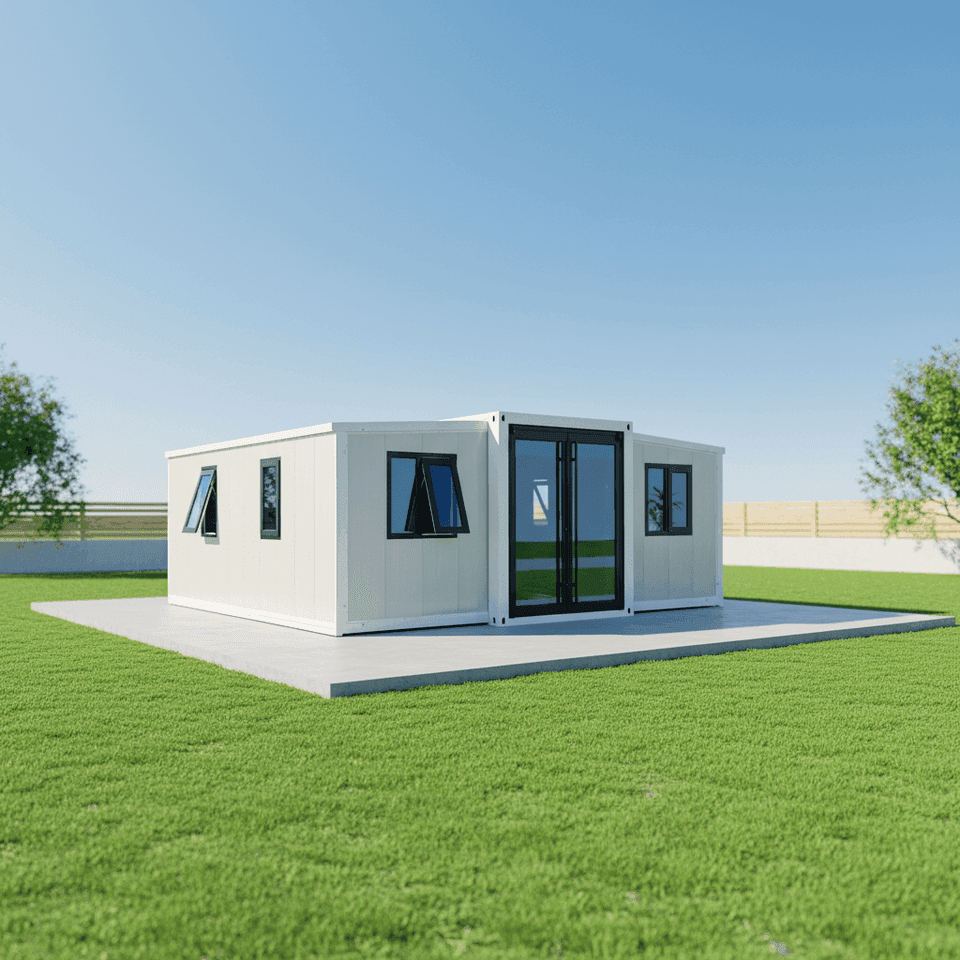
1. Nature of Container Houses and Definition of Illegal Construction
Container houses are movable metal structures, not traditional fixed buildings, and their flexibility makes them special in terms of use, installation, and disassembly. According to the definition of illegal construction, those without planning permits, those that擅自改变土地用途 (unauthorized changes in land use), or those that construct permanent buildings are considered illegal. If a container house is used only as a temporary container for storing agricultural materials and tools, without damaging the plow layer, without water and electricity supply, without hardening the ground, and without changing the agricultural use of the land, it is usually not considered illegal construction.
2. Leading Role of Local Policies
There are differences in the recognition of container houses in different regions. Some places regard them as temporary buildings, requiring no building permits, and allowing free erection and dismantling; however, others may consider them illegal buildings. For example, placing container houses in orchards or fields, if the ground is not hardened, no permanent foundation is built, and they are used only for temporary storage, generally does not constitute illegal construction; however, if the ground is hardened or the land use is changed (such as for business or residence), it may be considered illegal construction.
3. Compliance Recommendations for Using Container Houses in Orchards
- Avoid hardening the ground: When placing containers, the natural state of the ground should be maintained to prevent being identified as illegal construction due to ground hardening.
- Limit the nature of use: Container houses should not be used for business or residence, but only as guard houses for farmland and orchards or temporary warehouses.
- Consult relevant departments: Policies may vary in different regions. It is recommended to consult local planning and land management departments in advance to clarify the usage period and purpose and ensure compliance.
4. Reference for Practical Application Scenarios
Container houses are commonly used in orchards for storing farm tools and agricultural materials or as temporary guard houses. Their rainproof and moisture-proof properties, short construction period, and low cost make them an alternative to traditional brick warehouses. In addition, in scenarios such as farms and camping sites, container houses are also used to meet seasonal accommodation needs or as commercial supporting buildings, but they must comply with fire safety standards and temporary building regulations.



