
Non-Quota Mobile Toilet Customization
Customization of non-quota mobile toilets requires comprehensive consideration of factors such as brand, type, material, and platform selection.
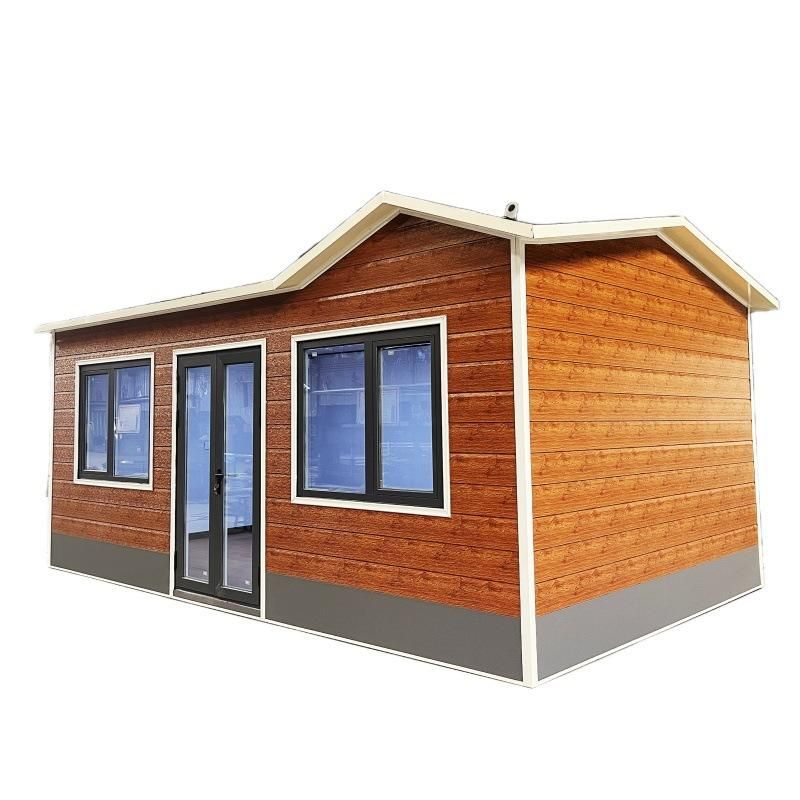
I. Characteristics of Non-Quota Mobile Toilets Non-quota mobile toilets exist in the form of finished restrooms, offering the advantages of rapid installation and no need for complex infrastructure construction. They are particularly suitable for temporary events, scenic spots, construction sites, and other scenarios. Their core value lies in flexibility and convenience, enabling quick deployment without occupying fixed building quotas, thus avoiding the approval processes and land occupation issues associated with traditional public toilet construction.
II. Key Elements in Customizing Mobile Toilets
Type Selection
- Mobile Toilets: Basic models characterized by lightness and ease of transportation, suitable for short-term events or temporary needs.
- Eco-Friendly Toilets: Equipped with technologies such as biodegradation and foam sealing to reduce water consumption, suitable for water-scarce areas or ecologically sensitive scenarios.
- Container Toilets: Based on standard container modifications, they have a sturdy structure and can be expanded with modular functions, suitable for long-term fixed use.
Material Differences
- Metal Materials: Such as stainless steel, steel structures, and galvanized sheets, which are highly corrosion-resistant and suitable for humid or rainy environments, but come at a higher cost.
- Lightweight Materials: Color-coated steel, fiberglass, and aluminum-plastic panels, which are lightweight and cost-effective, but require attention to wind pressure resistance and durability.
- Plastic Materials: Inexpensive but prone to aging, suitable for short-term, low-frequency use scenarios.
Functional Configurations
- Basic Functions: Including lighting, ventilation, and sewage systems, with the choice between water flushing or dry treatment depending on the usage scenario.
- Additional Functions: Such as air conditioning, deodorization systems, and smart sensing devices, which can enhance the user experience but increase costs.
III. Customization Channels and Considerations
Platform Selection Wholesale platforms like Alibaba offer a diverse range of options, supporting customization by size, material, and function. For example, metal-carved panel mobile toilets are suitable for high-end scenic spots, while high-end finished water-flushing direct-discharge mobile public toilets for scenic spots emphasize hygiene and aesthetics.
Cost and Budget Prices are significantly influenced by material, scale, and function. For example, the unit price of a steel-structured eco-friendly toilet may be higher than that of an ordinary plastic toilet, but its long-term maintenance costs are lower. It is necessary to balance performance and cost according to the budget.
Compliance Although they do not occupy building quotas, non-quota mobile toilets must still comply with local health and environmental standards, such as ensuring that sewage treatment methods are compatible with municipal systems to avoid secondary pollution.
IV. Customization Process Recommendations
- Clearly define the usage scenario (such as foot traffic and usage duration) to determine the type and scale.
- Select materials based on the budget, prioritizing durability and maintenance costs.
- Contact suppliers through legitimate platforms and request samples or case references.
- Before signing the contract, confirm functional configurations, delivery timelines, and after-sales service terms.



