
Non-mobile Public Toilet
A non-mobile public toilet is a fixed public toilet suitable for places with stable pedestrian traffic and long-term use. Its design needs to comprehensively consider various factors such as structure, sewage disposal, materials, and accessibility standards.
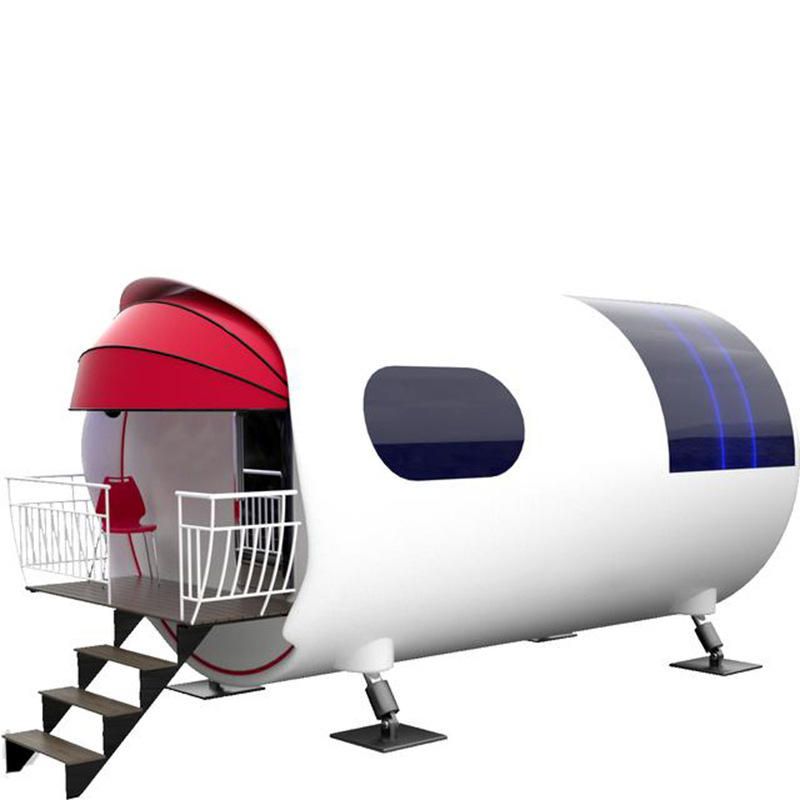
Structure and Construction Methods
The structure of non-mobile public toilets is mainly divided into traditional brick-concrete structures and prefabricated structures. Traditional brick-concrete structures are built on-site using materials such as red bricks and concrete. They are sturdy, durable, and offer good sound insulation and heat insulation. However, they have a long construction period (1-3 months), generate a large amount of construction waste, and have a relatively large impact on the environment. Prefabricated structures, on the other hand, involve assembling modules prefabricated in factories on-site. They have a fast construction speed (1-2 weeks), are less affected by weather conditions, and offer controllable quality, energy conservation, and environmental protection. For example, products from Hengyue (Tianjin) Integrated Housing Co., Ltd. and Shandong Daxin Plastic Co., Ltd. adopt this technology.
Sewage Disposal Systems and Treatment Technologies
The sewage disposal system should be selected according to site conditions: Water-flush direct-discharge systems are connected to municipal sewage pipes, offering a good user experience but consuming a large amount of water resources and requiring a well-developed pipe network. Microbial degradation systems decompose excrement into water and carbon dioxide through bacteria, saving water and being environmentally friendly. They are suitable for areas with scarce water resources but require long-term maintenance of the bacteria. Vacuum negative-pressure systems consume extremely low amounts of water (0.5-1 liter per use), have high technical content, but have relatively high construction and maintenance costs. For example, if the microbial degradation toilets from Nanjing Yinchuang Transportation Facilities Co., Ltd. are used in fixed places, attention should be paid to the maintenance of the bacteria.
Materials and Durability
Material selection directly affects the lifespan of the toilet: Metal carved panels are composed of metal panels and polyurethane insulation layers, offering good thermal insulation, corrosion resistance, and ease of cleaning. However, the coating may age and fade after long-term outdoor use, requiring regular maintenance. Stainless steel/color-coated steel plates have high strength and corrosion resistance, making them suitable for high-humidity or coastal areas.
Accessibility Design Standards
According to the "General Code for Accessibility in Buildings and Municipal Engineering" (GB 55019-2021), public buildings should have at least one accessible toilet on each floor, or an independent accessible toilet should be set up near the men's and women's public restrooms. Accessible toilets should meet the following requirements: They should have an area of no less than 4 square meters, with a wheelchair turning space with a diameter of no less than 1.5 meters inside. They should be equipped with an accessible toilet seat, a washbasin, a multifunctional table, a low-level clothes hook, and an emergency call device. The door should be a horizontally sliding type or an outward-opening flat door.



