
Nanning Prefabricated House
Nanning prefabricated houses are a form of construction where components are prefabricated in factories and rapidly assembled on-site. They are characterized by environmental friendliness, speed, and efficiency, and are widely used in various fields, showing trends towards intelligence and green development.
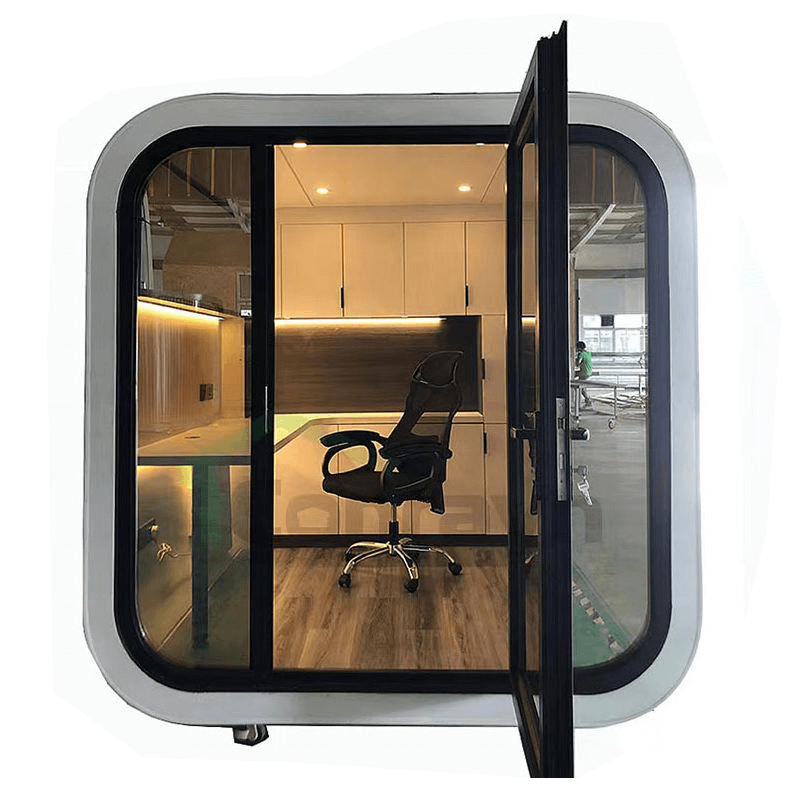
Architectural Form and Characteristics
Nanning prefabricated integrated houses adopt a factory-based production model, where main structures, walls, floor slabs, and other components are prefabricated in factories and then transported to the site for rapid assembly. Their walls often use composite insulation sandwich panels, which provide thermal insulation and moisture resistance, effectively coping with Nanning's high-temperature and high-humidity climate. The structural system is primarily based on light steel frames, offering superior earthquake resistance, light weight, and low foundation requirements, making them suitable for karst landform regions. Additionally, the integrated design of pre-embedded water and electricity pipelines enhances installation accuracy and reduces maintenance costs.
Advantages
- Environmental Friendliness: Utilizing eco-friendly materials such as reinforced concrete and light steel frames, these houses offer fire, water, and earthquake resistance while reducing construction waste and environmental pollution.
- Speed: Modular design and factory production shorten the construction cycle, and on-site assembly improves construction efficiency.
- Efficiency: Flexible design meets diverse customer needs, reduces construction costs, and enhances building efficiency.
Application Areas
Nanning prefabricated houses are widely used in affordable housing, rural revitalization projects, temporary office buildings, tourism facilities, residential, commercial, educational, and medical sectors, covering a range of needs from temporary to permanent structures.
Development Trends
- Intelligence: With the development of IoT and AI technologies, prefabricated houses will gradually incorporate smart home and security features.
- Green Development: Future emphasis will be on environmental protection, using more eco-friendly materials and technologies to reduce energy consumption and enhance building sustainability.
Related Enterprises and Examples
Guangxi Construction Engineering Group's prefabricated building industrial base is a representative enterprise in the field of Nanning prefabricated houses. It has a modern production line with an annual capacity exceeding 200,000 square meters and employs BIM technology for full-process management. Its self-developed "Guijian Board" series of components have passed national green building material certification and have been applied in several key provincial projects. For example, the renovation project of dilapidated housing in Nanning's Daban Second District adopted prefabricated house technology, constructing 29 high-rise residential buildings and providing 3,110 housing units, demonstrating the potential of prefabricated houses in urban renewal projects.



