
Nanjing School Mobile Toilet
The application of mobile toilets in Nanjing schools mainly involves specific social events or temporary scenarios. The rental process covers aspects such as demand assessment, equipment selection, service provider screening, installation management, and site clearance settlement, and requires targeted configuration based on the characteristics of campus scenarios and special needs such as the senior high school entrance examination and college entrance examination.
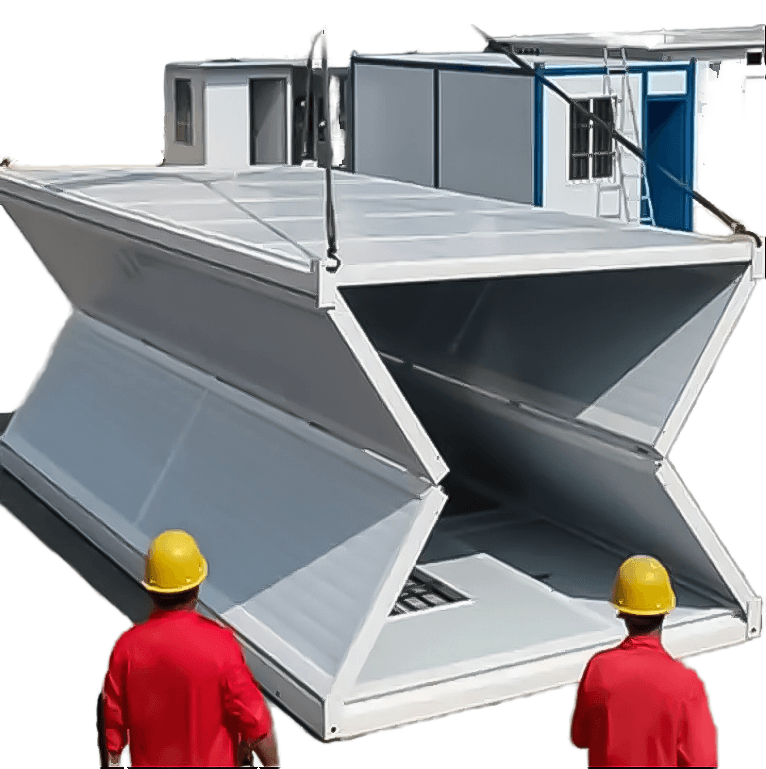
Campus Application Scenarios for Mobile Toilets
When Nanjing schools host temporary events such as sports competitions, school anniversaries, and club activities, conventional sanitation facilities may not meet the demand due to insufficient capacity or deployment limitations. As a modular solution, mobile toilets can be quickly deployed in areas such as stadiums and squares to address toilet needs during peak人流 (foot traffic) periods. Their application should consider the regular usage habits of students and teachers, as well as their high requirements for cleanliness and safety. Priority should be given to equipment with clean and odor-free waste treatment systems, non-slip floors, and sufficient lighting, while also taking into account the harmony between appearance and the campus environment.
Rental Process and Key Links
- Demand Assessment: Determine the quantity and type of equipment based on the estimated number of attendees, event duration, site physical conditions (such as floor load-bearing capacity and accessibility for transport vehicles), gender ratio of users, and special group needs (such as barrier-free facilities). For example, during the senior high school entrance examination and college entrance examination periods, sufficient toilet stalls should be allocated according to the number of examinees, with emergency reserves set aside.
- Equipment Selection: Trailer-mounted models are suitable for large-scale events, while frame-type and single-unit models are applicable to space-constrained scenarios. Internal configurations should balance functionality and budget: sports events emphasize circulation efficiency and durability, while school anniversary events may prioritize aesthetics; for the senior high school entrance examination and college entrance examination, equipment that meets hygiene standards and is odor-free should be selected, and it should be clarified whether supporting sinks or septic tank cleaning services are required.
- Service Provider Screening: Focus on examining the service provider's warehousing and maintenance capabilities, transportation and installation professionalism, and services during the event (such as regular cleaning, consumable replenishment, and emergency maintenance). The contract should clearly define service content, response time, responsibility division, and damage compensation clauses to avoid disputes.
Special Needs for Campus Scenarios
Participants in campus activities are mainly students, with concentrated and regular usage times, requiring enhanced on-site management: consider wind direction and crowd flow during installation and set up directional signs; assign dedicated personnel to supervise cleaning frequency and manage user behavior during use to prevent blockages or vandalism. Before the senior high school entrance examination and college entrance examination, equipment should be thoroughly cleaned and disinfected; during the exams, dedicated personnel should be arranged for patrols; after the exams, prompt disassembly and recycling should be carried out to minimize the impact on the campus environment.
Case Reference
A customer customized a double-unit home mobile restroom (1.6 meters wide and 3 meters long) featuring a plastic-wood floor corridor, aluminum alloy single door, marble-patterned wall panels, and ceramic sinks, among other home elements. This reflects the trend of mobile toilets towards comfort and aesthetics and can provide design references for high-end campus events.



