
What Are the Advantages of Mobile Toilets in Nanjing
The advantages of mobile toilets in Nanjing are mainly reflected in multiple aspects such as flexible deployment, hygiene and environmental protection, strong adaptability, resource conservation, and cost-effectiveness. Details are as follows:
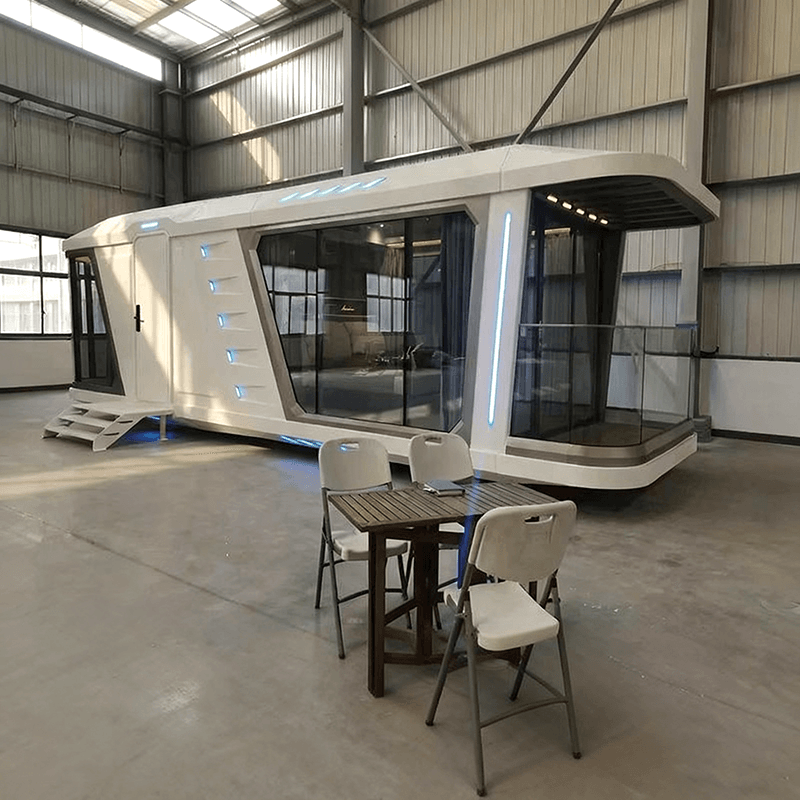
1. Flexibility and Rapid Deployment
Mobile toilets are independent units that do not rely on fixed infrastructure. They can be installed in a short period, making them particularly suitable for temporary events or emergency needs. For example, in scenarios like large-scale outdoor events and construction sites, mobile toilets can be put into use within a few hours, while traditional fixed toilets require processes such as land approval, construction, and pipeline connection, which can take several months or even longer.
2. High Hygiene Standards and Environmental Performance
Mobile toilets are usually equipped with flushing devices, hand-washing facilities, and waste treatment systems, which can effectively maintain hygiene conditions and reduce environmental pollution. Some models adopt water-saving technologies or biodegradation treatment, decomposing waste through biological enzymes or chemicals to reduce odor and the risk of bacterial growth. Their efficient flushing mechanisms require only a small amount of water each time, offering significant advantages in water-scarce areas or environmental protection activities. However, environmental performance depends on regular maintenance, and insufficient cleaning may affect long-term effectiveness.
3. Strong Adaptability and Portability
Mobile toilets are not restricted by terrain. They are lightweight and have an aesthetically pleasing design, suitable for public places such as city streets, parks, stations, and tourist attractions. Their portability avoids resource waste caused by house demolition or site changes and allows for position adjustments according to needs to meet the dynamic requirements of different scenarios.
4. Resource Conservation and Space Optimization
Mobile toilets do not require site selection, material purchasing, or construction processes. They can be used directly after installation, significantly saving manpower, materials, and financial resources. Their floor area is much smaller than that of traditional toilets, which aligns with the current situation of tight land resources. In addition, their modular design facilitates transportation and storage, saving space and simplifying the installation process.
5. Cost-Effectiveness and Hygiene Safety
Renting mobile toilets can significantly reduce initial investment costs, especially suitable for short-term or temporary use scenarios. Their portability makes cleaning and maintenance more convenient, enabling the continuous maintenance of a hygienic environment and reducing the risk of disease transmission. Meanwhile, diverse treatment methods (such as packing-type and microbial degradation-type) can be flexibly selected according to environmental constraints, further enhancing applicability.
6. Combination of Aesthetics and Practicality
While ensuring functionality, mobile toilets pay attention to exterior design with reasonable color matching. They can become landscape elements in tourist attractions or parks, enhancing the overall environmental quality.



