
Motorcycle Helmet Container House
"Motorcycle Helmet Container House" is not a common or standard architectural or product concept, and there are currently no directly related definitions or mature application cases. The following is a popular science analysis from three aspects: conceptual rationality, possible application directions, and potential challenges.
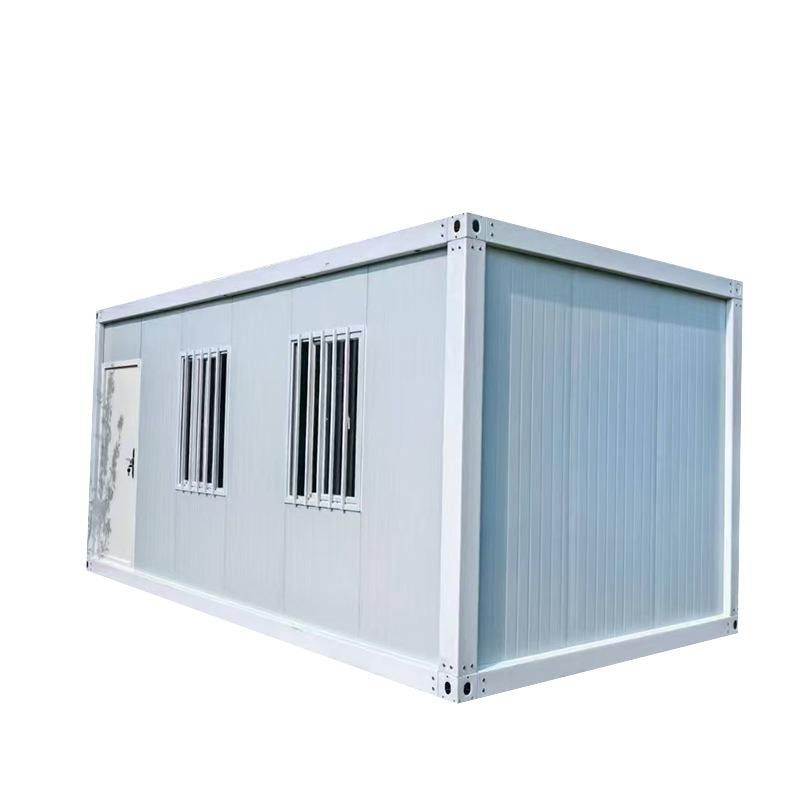
Conceptual Rationality
From a literal perspective, the "Motorcycle Helmet Container House" seems to attempt to combine the design elements of a motorcycle helmet (such as streamlined shape and protective properties) with those of a container house (a modular, movable building). However, there are significant differences between the two in terms of function, structure, and usage scenarios. The core function of a motorcycle helmet is to protect the head, and its design must meet requirements such as lightweight construction, impact resistance, and ventilation. In contrast, a container house is a living or functional space created by repurposing discarded or new shipping containers, emphasizing structural stability, space utilization, and living comfort. Directly combining the two may result in functional conflicts, necessitating a redesign of the structure and materials.
Possible Application Directions
If explored from the perspective of "creative design," this concept could potentially be applied in the following scenarios:
- Themed Homestays or Art Installations: Designing the exterior of a container house to resemble a giant motorcycle helmet to attract tourists or serve as a landmark building. Such designs would need to address the balance between aesthetics and structural safety, for example, by using lightweight materials to simulate the helmet's appearance while maintaining the traditional container frame internally.
- Temporary Emergency Shelters: In motorcycle races or outdoor activities, small portable container houses inspired by the protective properties of helmets could be designed to provide temporary shelter for staff or spectators. However, it is essential to ensure that the materials meet building safety standards and that the interior space meets basic usage requirements.
- Brand Promotion or Product Display: Motorcycle brands or helmet manufacturers might customize such houses as exhibition halls to strengthen brand recognition through unique designs. In this case, the focus would be on visual impact rather than actual living functionality.
Potential Challenges
- Structural Safety: The streamlined design of a helmet may weaken the load-bearing capacity of a container house, requiring engineering calculations to verify structural stability.
- Cost and Practicality: Customized designs may significantly increase costs, and the interior space may have low utilization due to造型 (design) constraints.
- Regulatory Restrictions: Buildings must comply with local fire safety, earthquake resistance, and other regulations, and unconventional designs may face difficulties in approval.
If further exploration of this concept is desired, it is recommended to clarify the specific application scenario (such as residential, commercial, or artistic) and consult architects or engineers for feasibility analysis.



